St. Jerome (c. 347–420)

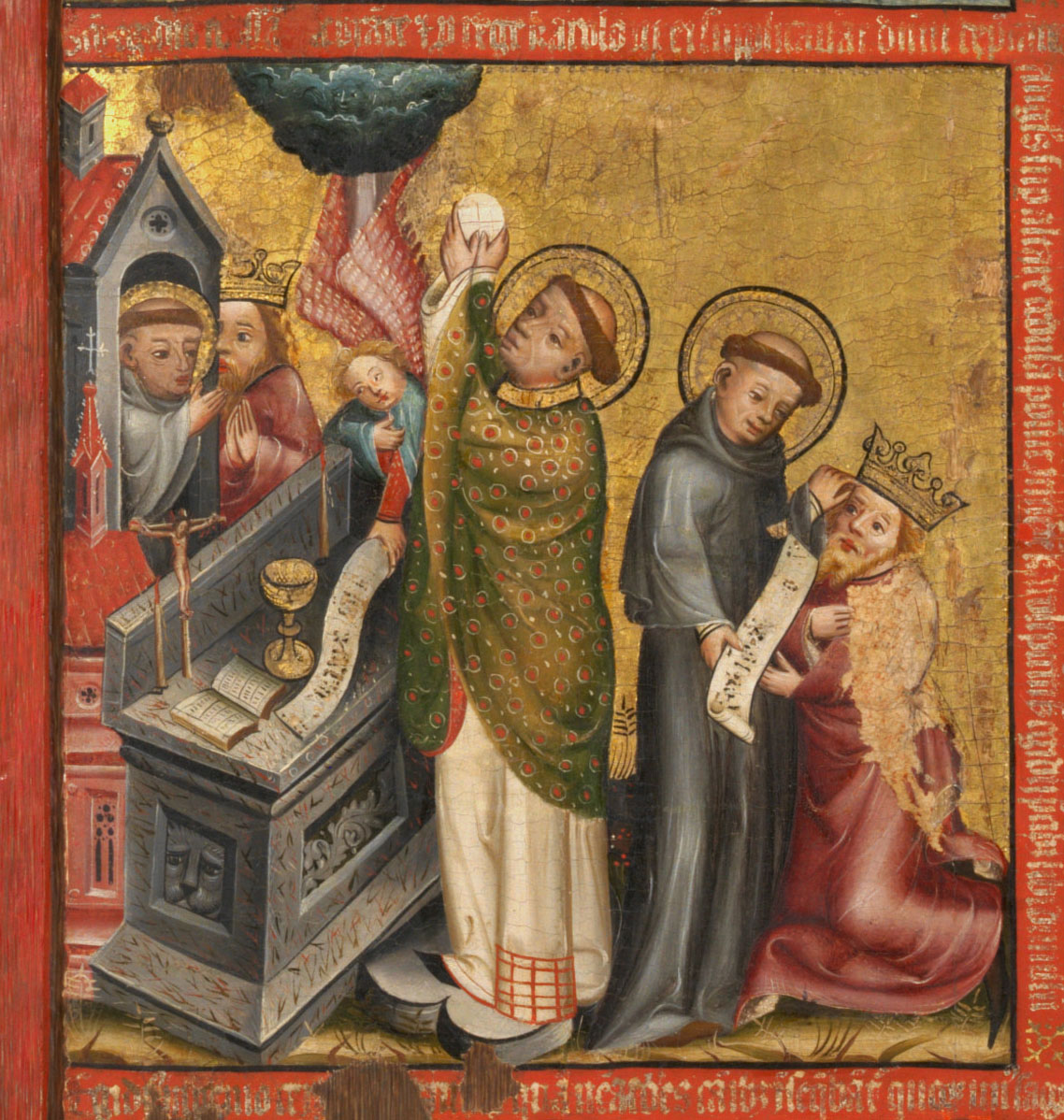
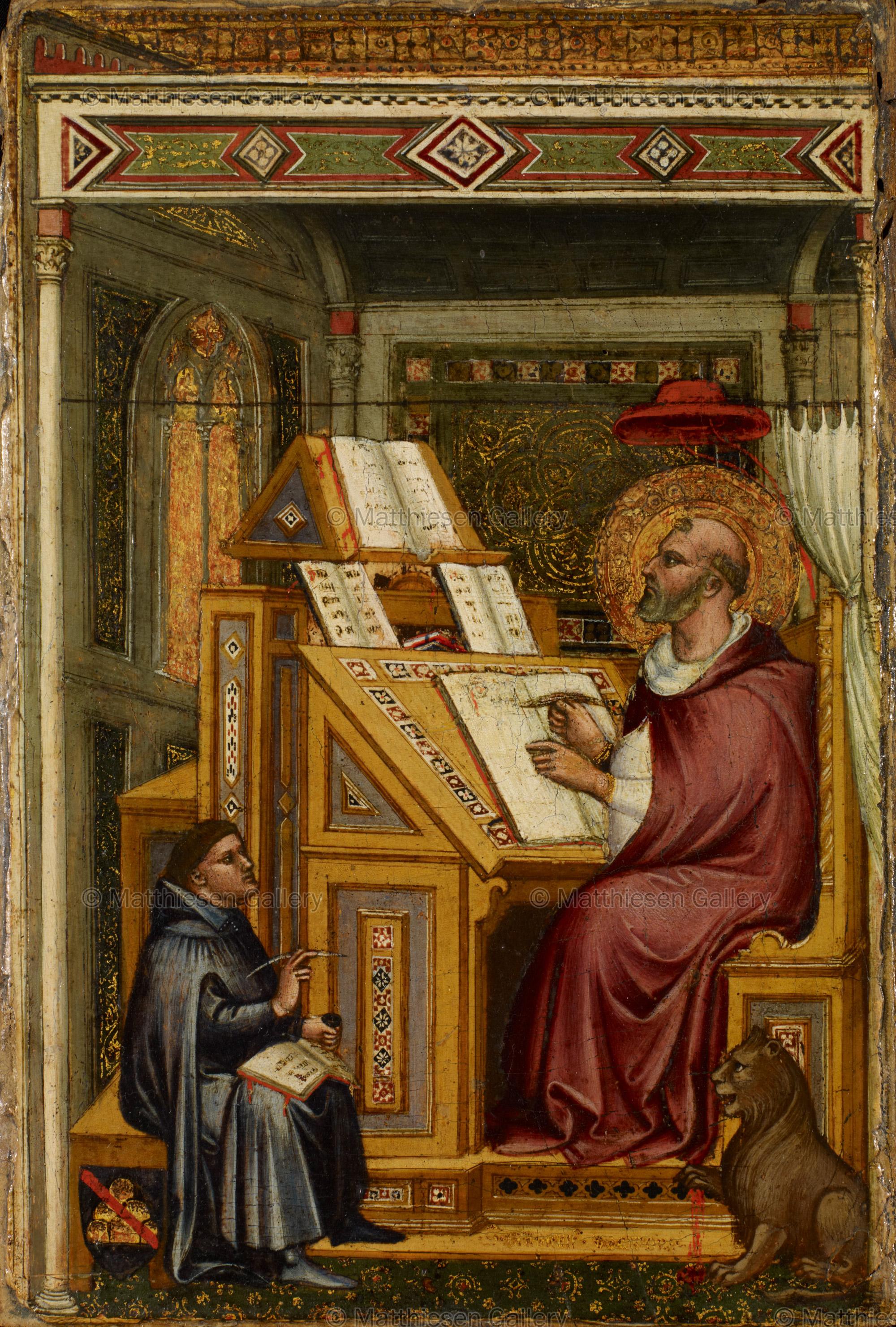
St. Jerome was a priest, biblical scholar, and translator of the Latin Vulgate. He emphasized Scripture study, prayer, and disciplined living; his scholarship preserved the Word and deepened understanding of God’s plan, and his life encourages reverence for Scripture, intellectual engagement, and spiritual devotion, showing that learning and piety can complement one another. Jerome inspires faithful study of Scripture and reflection on God’s Word.

May his example encourage careful reading, prayerful meditation, and application of Scripture in daily life, nurturing wisdom, humility, and steadfast devotion to Christ.
St. Michael the Archangel

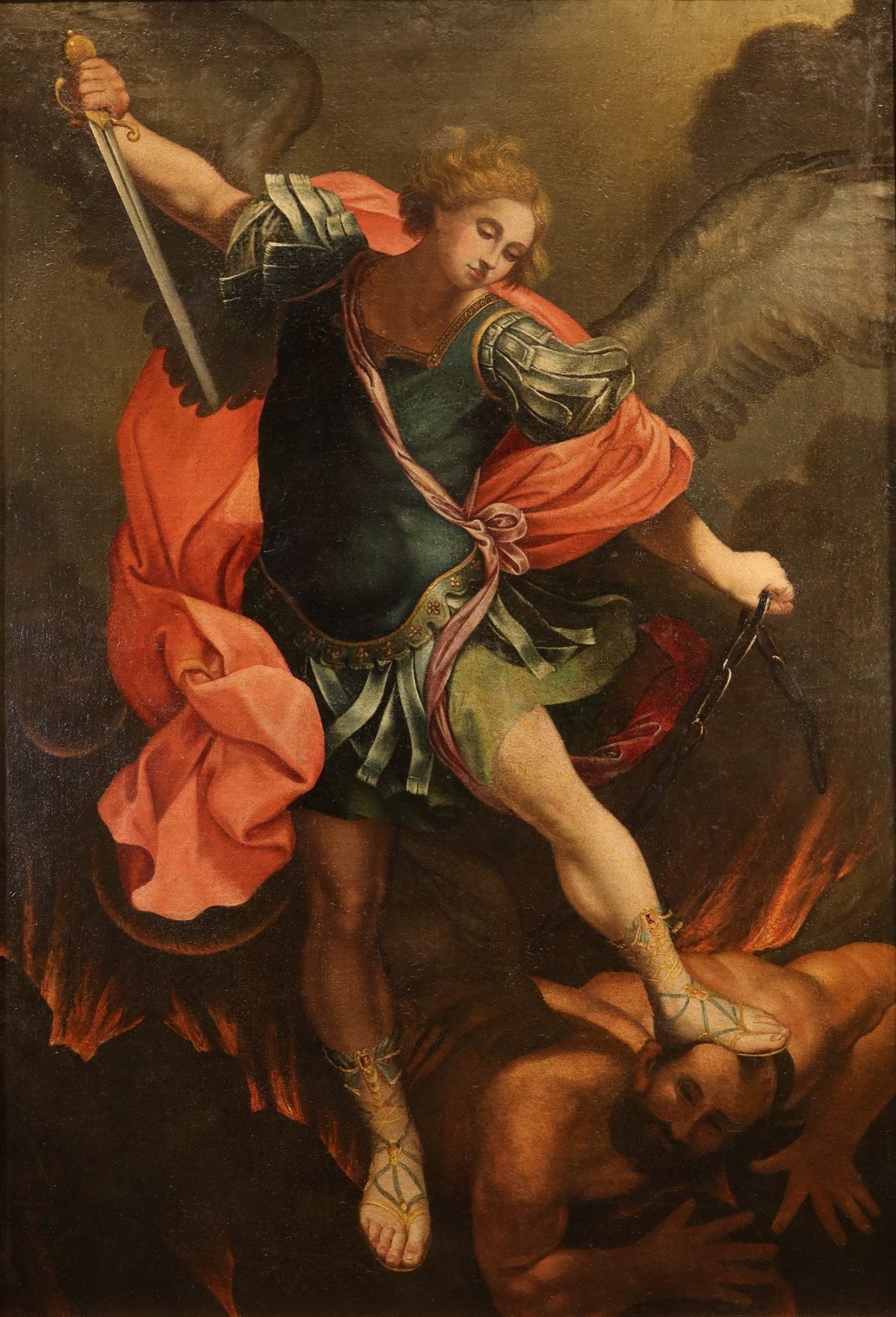
Scripture names Michael as one of the chief princes of heaven, a mighty archangel who stands guard over God’s people. In Daniel, he is the great protector who contends on behalf of the faithful. In Jude, he disputes with the devil yet rebukes him only in the Lord’s name. And in Revelation, Michael and his angels war against the dragon, casting Satan down from heaven. Michael’s victory is not his own. The dragon is overthrown “by the blood of the Lamb”, and Michael’s strength lies in faithful service to the One who has already conquered sin, death, and the devil.

This commemoration reminds us that the struggle against evil is real, but so is God’s protection. The Lord sends His holy angels to watch over His people. Michael’s example calls us to vigilance, courage, and steadfast trust in Christ’s finished work. May we resist temptation, live boldly for our Lord, and rest secure in His sovereign care.

Sts. Cosmas and Damian

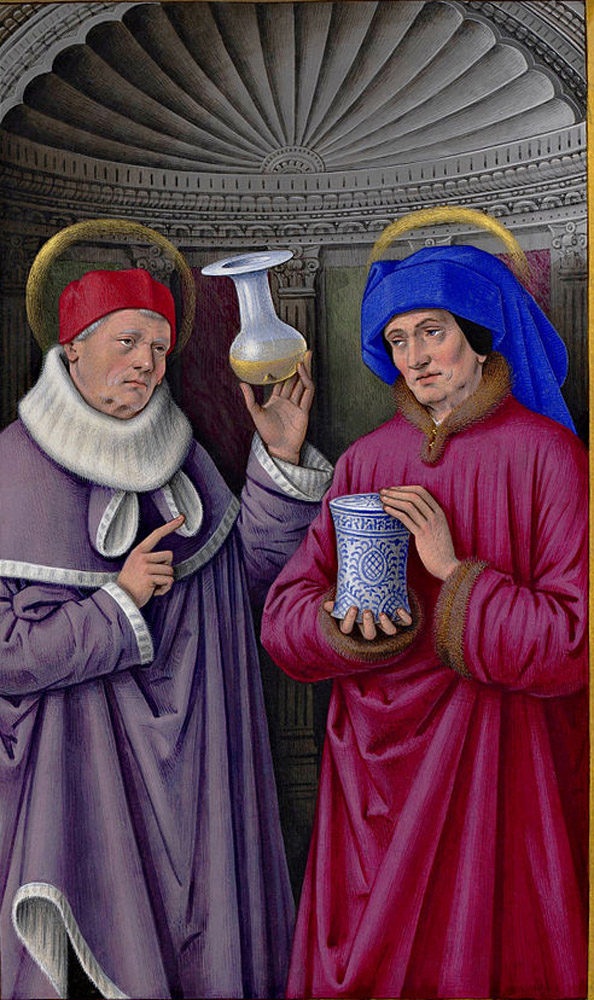
Cosmas and Damian were twin physicians in Syria who, according to tradition, refused payment for their work, earning them the title Anargyroi, “those without silver.” Rich and poor, Christian and pagan alike received the same care, given freely and in the name of Christ. The brothers tended bodies with skill while pointing souls to the Great Physician, seeing no divide between their medicine and their faith. During the persecution under Diocletian, they were arrested and commanded to renounce Christ. They refused and were martyred, sealing with their blood the confession they had lived out in their daily work.

Their compassion toward the sick and their courage before persecutors flowed from the same source: trust in the Lord who first loved them. Their witness reminds us that faithful proclamation and acts of mercy belong together, just as they did in the ministry of Jesus. They served God not by leaving their vocation but through it, giving freely because they had freely received. May their example move us to care for the vulnerable, act with integrity, and encourage one another in faith, all rooted in the love of Christ.

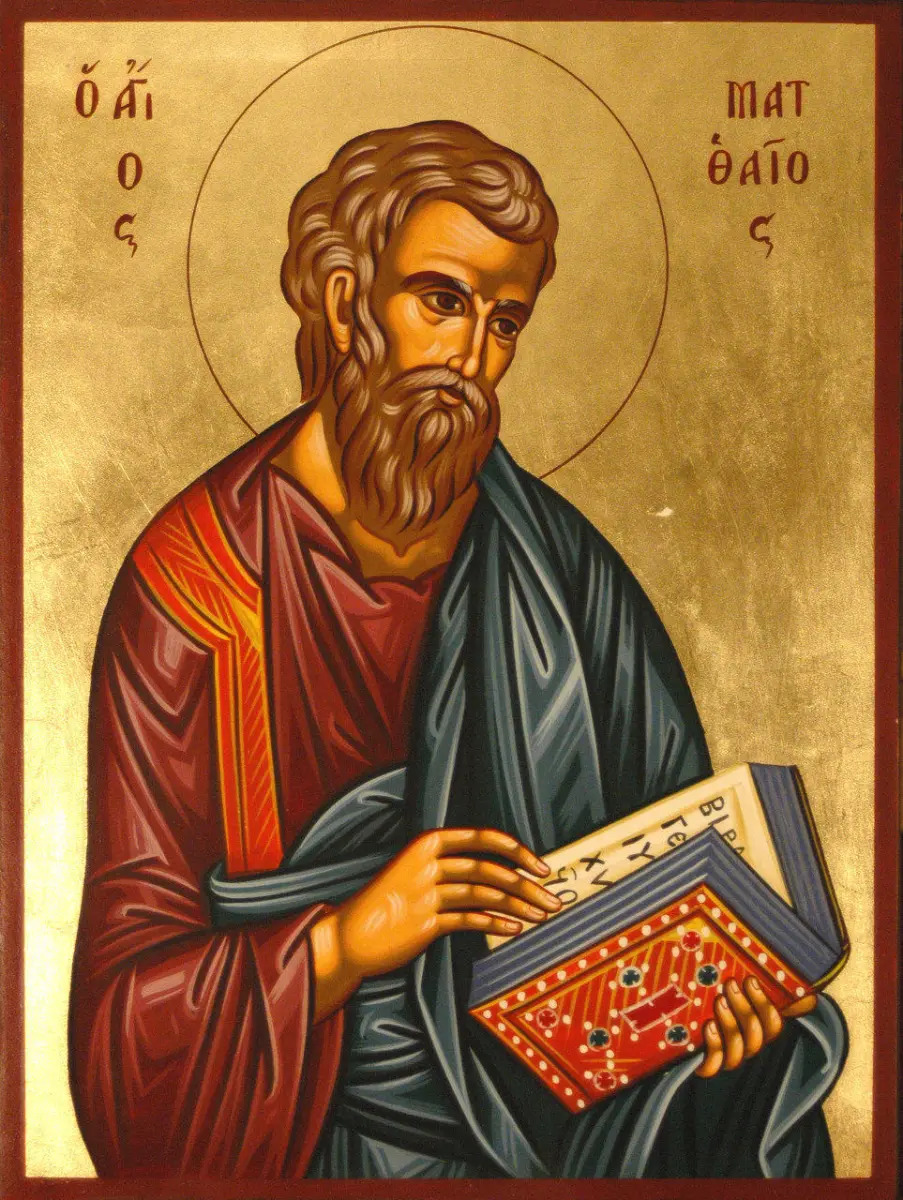
St. Matthew

St. Matthew, one of the twelve apostles, authored the Gospel that bears his name, emphasizing Christ’s fulfillment of Scripture. He demonstrates the transformative power of encountering Christ, leaving a life of self-interest for service and witness; his ministry highlights the importance of teaching, proclamation, and faithful observance of Christ’s commands, shaping the early Church and inspiring all who follow. Matthew reminds us that God’s call transforms lives.

By studying Christ’s words and reflecting on His actions, we are empowered to live as witnesses in our own communities, embracing our vocations with diligence, humility, and gratitude.

Vigil of St. Matthew

The vigil anticipates the feast of St. Matthew, apostle and evangelist. Matthew, a former tax collector, responded to Christ’s call with immediate obedience, leaving behind worldly gain to proclaim the Gospel — a transformation that demonstrates the power of Christ to redirect lives toward God’s kingdom.

As we anticipate his feast, we are invited to examine what we ourselves hold back from God. The vigil reminds us that faithful discipleship requires openness, repentance, and joyful willingness to serve; let us follow Christ’s call with eagerness and trust in His guidance.

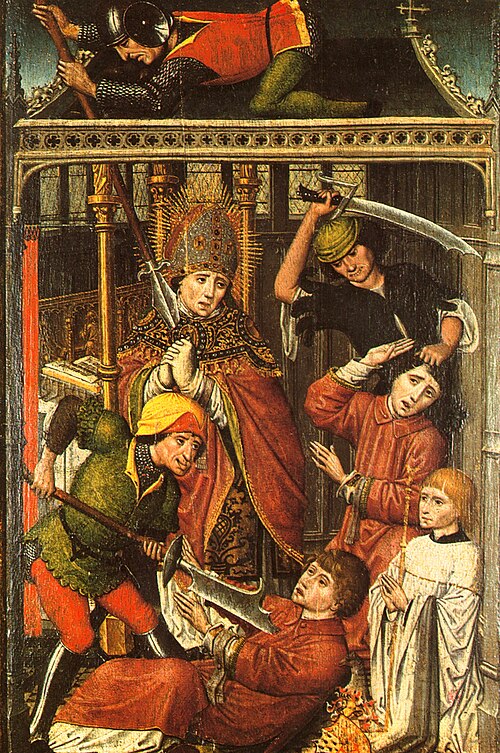
St. Lambert

St. Lambert, bishop of Maastricht, was known for defending the Church against corruption and proclaiming Christ boldly. His pastoral zeal and fearless leadership led to martyrdom, yet his life strengthened the faithful and provided an enduring witness of courage and fidelity — exemplifying pastoral concern, vigilance, and the willingness to stand for truth in the face of danger. Lambert’s life challenges us to hold fast to truth and act courageously in our own vocations.

Faithful leadership and integrity in small and large matters alike reflect Christ’s care for His Church; may we emulate his boldness, his commitment to justice, and his pastoral concern for others.

St. Euphemia

St. Euphemia, a virgin and martyr of Chalcedon, suffered under Diocletian’s persecution. She refused to renounce Christ despite torture, exemplifying steadfast faith and trust in God’s providence. Euphemia became a witness for the early Church, showing that even the young and vulnerable could demonstrate courage and inspire the faithful; her story emphasizes endurance, purity, and devotion in the face of worldly threats.

Her example encourages perseverance in faith when confronted with trials, reminding us that spiritual victory comes not from our own strength but from trusting God’s promises even amid adversity. May her witness inspire steadfast devotion, moral courage, and confidence in God’s sustaining presence.

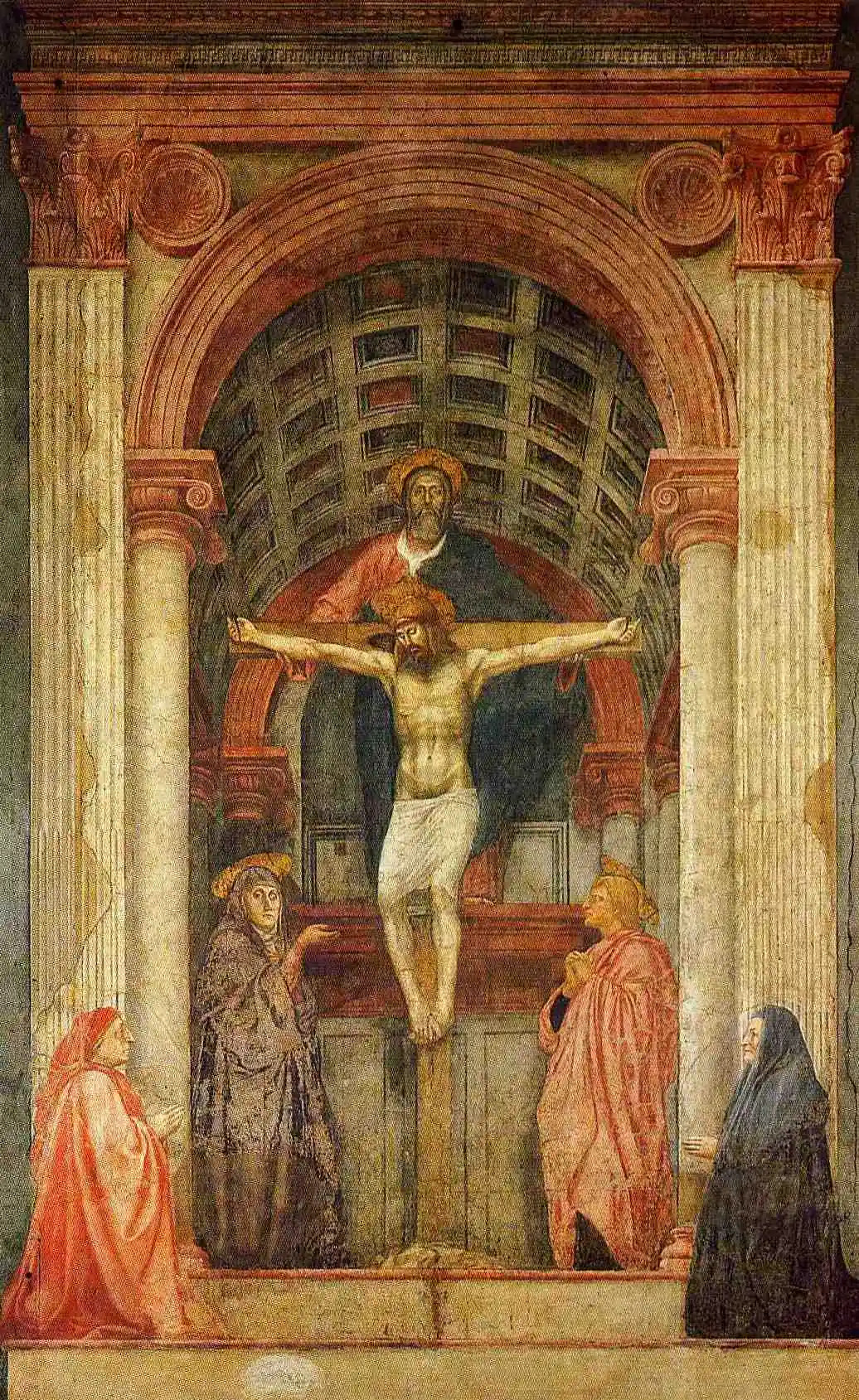
Exaltation of the Holy Cross

The Exaltation of the Holy Cross commemorates Christ’s victory over sin and death through His crucifixion, and recalls as well the finding of the True Cross by St. Helena. The feast emphasizes the power of Christ’s suffering to bring salvation to the world — the Cross, once a symbol of shame, has become the instrument of God’s glory and redemption. Lutherans recognize this as the centerpiece of faith, where God’s grace and mercy are most clearly revealed.

The Cross calls us to reflect on both the cost and the gift of salvation, reminding us that God’s love triumphs through suffering and humility. Let this feast strengthen our courage, foster our gratitude, and fix our hope on the resurrection.

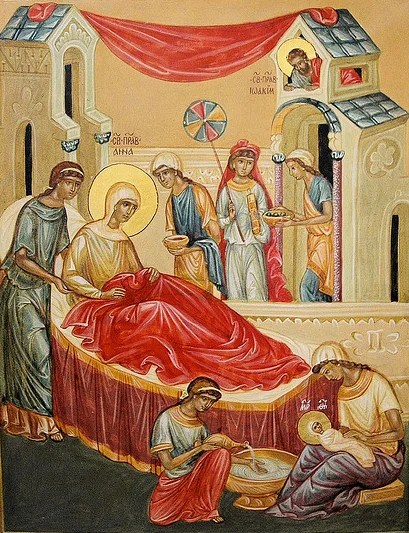
Nativity of the Blessed Virgin Mary

The Nativity of Mary celebrates her birth and foreshadows her unique role in God’s plan of salvation. From early life, Mary’s obedience and trust in God set her apart. Though Lutherans do not treat her as a mediator, we honor her as a model of receptive faith and humble service, one whose life was attuned to God’s Word and lived in anticipation of the coming Messiah.

Her nativity inspires us to cultivate that same attentiveness to God’s call, encouraging us to live lives that welcome God’s guidance, embrace opportunities for service, and reflect gratitude for His grace at work in our daily lives.

St. Giles of Athens

St. Giles, likely born in Athens, became a hermit and later abbot in France. He was known for his humility, dedication to prayer, and care for the poor, his life reflecting the virtues of solitude, contemplation, and service within a Christian community. Tradition also associates him with miraculous aid for the needy, a reminder that God’s providence often works through faithful, ordinary lives.

Giles’ example invites us to balance prayer and service in our own lives — to trust God’s guidance while reaching out to others in need. His patience, humility, and generosity show that even quiet acts of faith can bear great spiritual fruit.