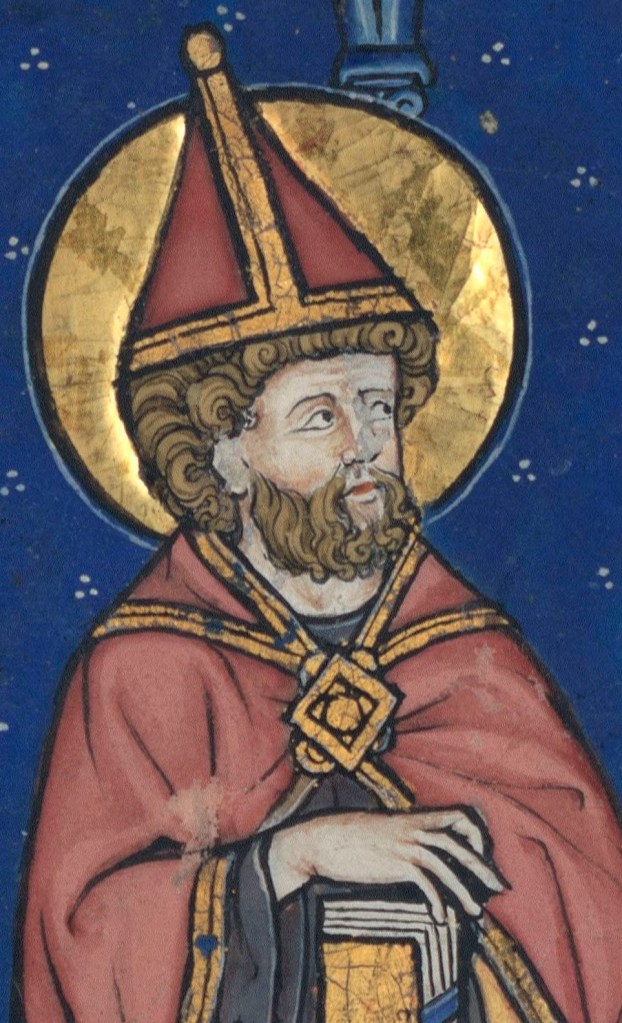
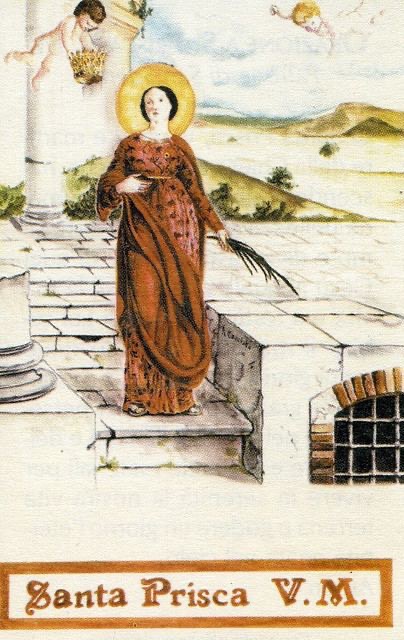
St. Prisca (postponed)

St. Prisca, also known as Priscilla, is remembered as a young Roman virgin martyred for her confession of Christ, likely during the persecution under Emperor Claudius or later rulers. Though historical details are sparse, early tradition holds that she suffered death rather than deny Christ, valuing the hidden treasure of faith above all earthly gain. Her witness reflects the Church’s earliest devotion and courage, especially among the young faithful. Prisca’s memory endures as a testimony that wisdom rooted in Christ outshines all worldly power and leads to eternal life.

Christ compares the kingdom of heaven to treasure worth any sacrifice (Matthew 13:44–46). Prisca’s witness reflects wisdom that seeks what is lasting and true. May her example strengthen us to recognize the surpassing value of Christ’s kingdom and to live with joyful trust in the wisdom that leads to life everlasting.
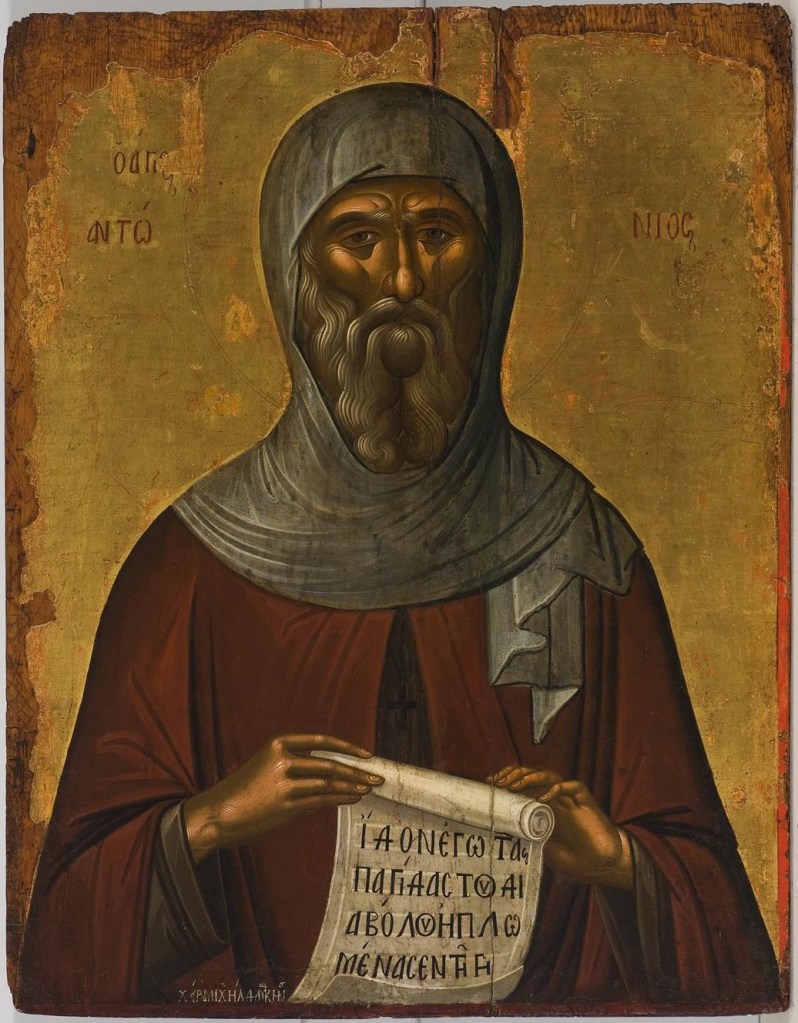
St. Anthony the Great

St. Anthony the Great (c. AD 251–356) is remembered as the father of Christian monasticism. After hearing Christ’s words to the rich young man, Anthony distributed his possessions and withdrew to the desert, devoting himself to prayer, fasting, and spiritual discipline. His life of wisdom and discernment drew many disciples, forming the foundations of communal monastic life. Though withdrawn from the world, Anthony remained deeply connected to the Church, defending the faith against heresy and encouraging Christians during persecution. His long life bore witness to the enduring light of Christ shining through faithful devotion and disciplined love for God’s wisdom.

Scripture praises wisdom that cannot be overcome by evil (Wisdom 7:30–8:4a). Anthony’s life teaches vigilance of heart and clarity of spiritual sight, as Christ urges in the Gospel (Luke 11:33–36). May his example encourage us to seek wisdom diligently, guard the light entrusted to us, and order our lives toward faithful service to Christ.

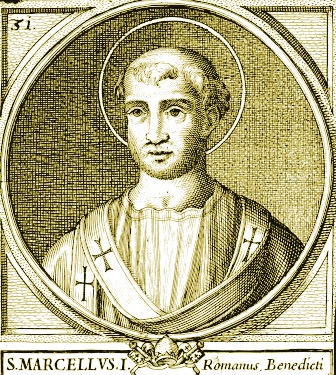
St. Marcellus

St. Marcellus I served as bishop of Rome from AD 308–309, during a period of persecution and internal turmoil. He worked to restore discipline among Christians who had lapsed under persecution, emphasizing repentance and reconciliation. Exiled for his leadership, Marcellus died shortly thereafter, likely around AD 309.

Marcellus teaches that the Church is sustained by repentance and mercy. May his example inspire patience, humility, and pastoral care, trusting God’s desire to restore and strengthen His people (Galatians 6:1).

St. Felix of Nola

St. Felix was a third-century presbyter in Nola, Italy, remembered for his steadfast faith during the Decian persecution (c. AD 250). Rather than seeking martyrdom, Felix devoted himself to pastoral care, encouraging imprisoned Christians and preserving the confession of Christ amid danger. According to early tradition, he endured imprisonment and suffering but survived persecution, later dying peacefully around AD 260. Felix lived in humility and poverty, refusing ecclesiastical honors and choosing instead a life of service and faithful witness. His life exemplifies obedience to Christ and trust in the authority of His Word.

In the Gospel appointed for this day, Christ declares, “The one who hears you hears Me” (Luke 10:16). Felix’s faithfulness reflects this promise, as he bore Christ’s Word with courage and humility. May his example encourage confidence in Christ’s authority, steadfast confession of His name, and joy that our names are written in heaven (Luke 10:20).

Octave of the Epiphany

Francesco Francia (1450-1517) – The Baptism of Christ

The Octave of the Epiphany traditionally draws the Church’s attention to the Baptism of Our Lord, in which Christ is revealed as the Lamb of God who takes away the sin of the world. In the Gospel appointed for this day (John 1:29–34), John the Baptist bears witness to Jesus, proclaiming Him as the promised Messiah and testifying to the descent of the Holy Spirit. At His baptism, Christ enters the waters not to be cleansed, but to sanctify them, revealing His mission to bear sin and bring salvation to all nations.

The Octave of the Epiphany invites reflection on Christ revealed in humility and obedience, standing in the place of sinners. As John points to Jesus as the Lamb of God, we are directed to trust in the One upon whom the Spirit rests. May this feast strengthen our confidence in Christ’s saving work and renew our joy in the promises given to us through Him (John 1:33–34)

The Epiphany of Our Lord

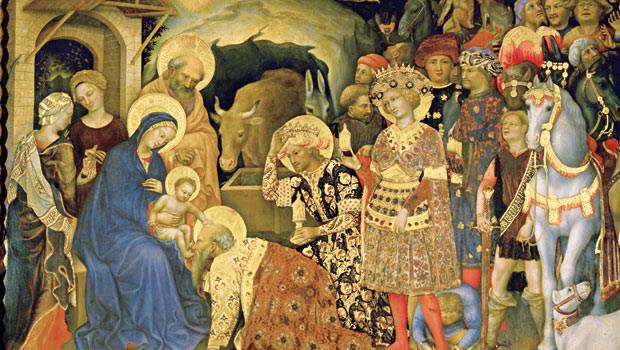
The Epiphany celebrates Christ’s revelation to the Gentiles, most vividly shown in the visit of the Magi (Matthew 2:1–12). Guided by a star, they traveled from the East to worship the newborn King, offering gifts that confessed His kingship, divinity, and sacrificial death. This feast proclaims the fulfillment of God’s promise that salvation would extend to all nations through the Messiah (Isaiah 49:6).

The Epiphany rejoices in Christ revealed as the Light of the world. May this feast draw us to worship Him with gladness and strengthen our faith in the Savior who gathers people from every nation into His kingdom (John 8:12).

Octave of St. John

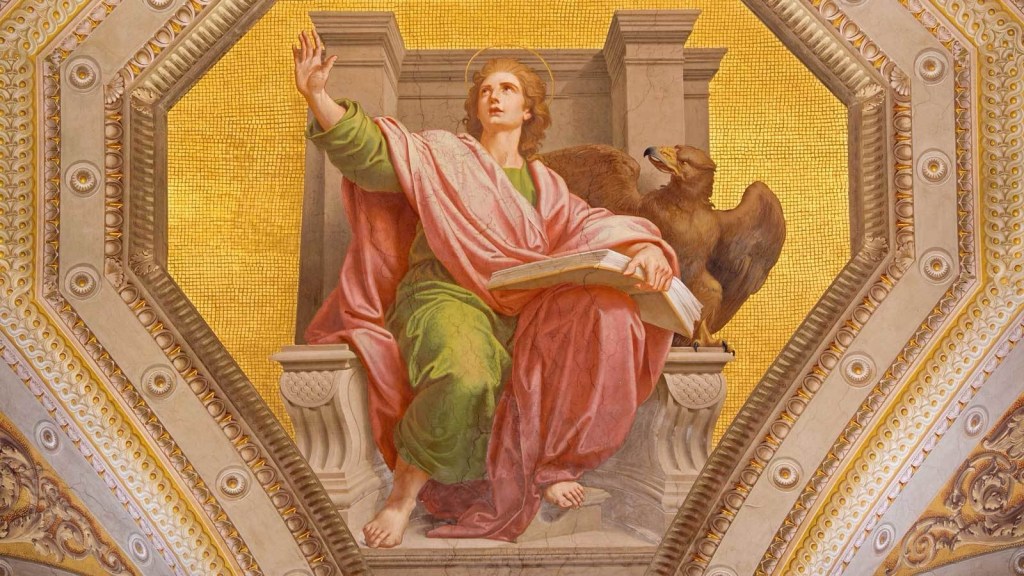
The Octave of St. John the Apostle and Evangelist prolongs reflection on the beloved disciple who bore witness to the Word made flesh. John, traditionally believed to have died around AD 100 in Ephesus, testified to Christ through his Gospel, epistles, and Revelation. His writings emphasize the divinity of Christ, the reality of the Incarnation, and the certainty of eternal life for those who believe.

John’s witness calls believers to remain steadfast in the truth of Christ and to live in love grounded in that truth. May this octave deepen our confidence in the Word who became flesh for our salvation and strengthen our hope in the life He promises (John 1:1–14; 1 John 5:11–12).

Octave of St. Stephen

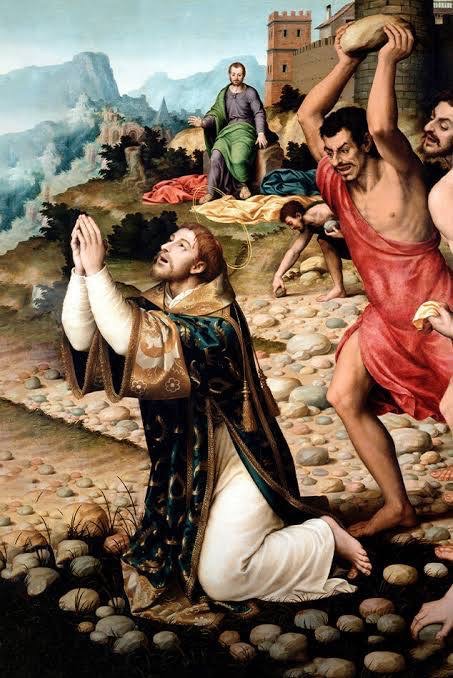
The Octave of St. Stephen continues the Church’s meditation on the first Christian martyr, who was stoned to death around AD 34–35 after boldly confessing Christ before the Sanhedrin (Acts 7). Stephen’s vision of the risen Lord and his prayer for forgiveness for his persecutors mark him as a faithful imitator of Christ. By extending his feast through the octave, the Church reflects more deeply on the cost of discipleship and the hope of resurrection promised to those who die in Christ.

As we continue to remember Stephen, we are reminded that Christian witness is shaped by the cross and sustained by hope in Christ’s victory. May his faithful confession encourage perseverance, forgiveness, and trust in the Lord who receives His servants into eternal glory (Acts 7:55–60).

The Circumcision of Our Lord

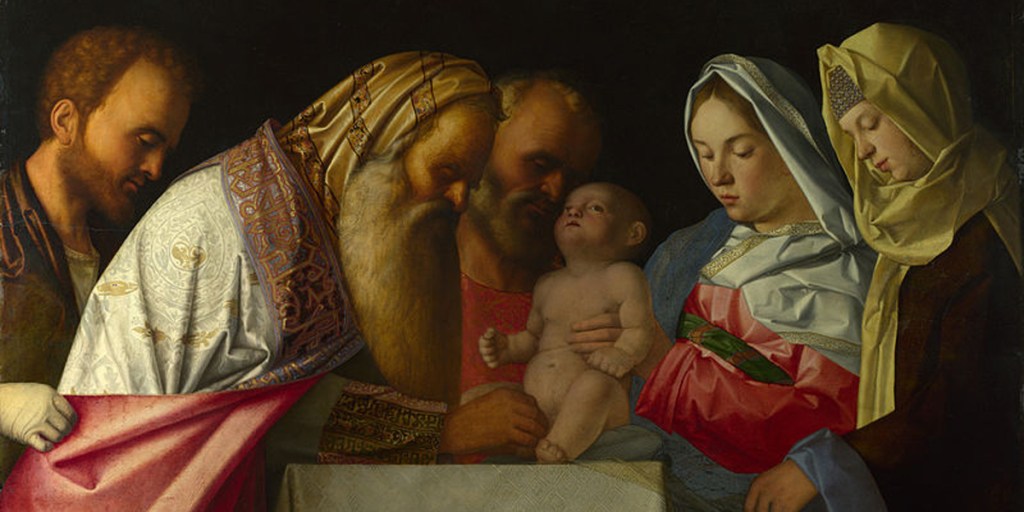
The Feast of the Circumcision and Name of Jesus celebrates the eighth day after our Lord’s birth, when—according to the Law given to Israel—He was circumcised and formally given the name “Jesus,” meaning “The LORD saves” (Luke 2:21). This event reveals both His true humanity and His obedience under the Law for our redemption. It is the first shedding of His blood, already pointing toward the cross. The divine Name bestowed upon Him is the Name in which salvation is found, the Name before which every knee shall bow (Phil. 2:9–11). This feast anchors the Church’s new year in Christ’s saving work.

In the Circumcision of Jesus we behold the Savior taking His place under the Law to redeem those bound by it. His holy Name, spoken over us in Baptism, marks us as God’s own. Here we remember not a saint but the Lord Himself, who is our righteousness. Through His Word and Sacraments, Christ still places His saving Name upon His people, uniting us with believers of every age in the one holy catholic and apostolic Church.

St. Sylvester I, Bishop of Rome

St. Sylvester I served as bishop of Rome during the reign of Emperor Constantine, a period when Christianity moved from persecution to legal recognition. Though later legend embellished his role, Sylvester’s historical significance lies in shepherding the Church during a time of rapid change and growth. He presided peacefully as the Church emerged into public life and as the great Christological controversies of the fourth century began to take shape. Sylvester died in 335, remembered as a faithful pastor who guided the Church through a pivotal moment in its history.

Sylvester’s life reminds us that the Church remains Christ’s possession in every age—whether persecuted or at peace. May his example encourage steady pastoral care, humility in leadership, and trust in God’s providence as the Church bears witness to Christ amid changing times (Matthew 28:20).