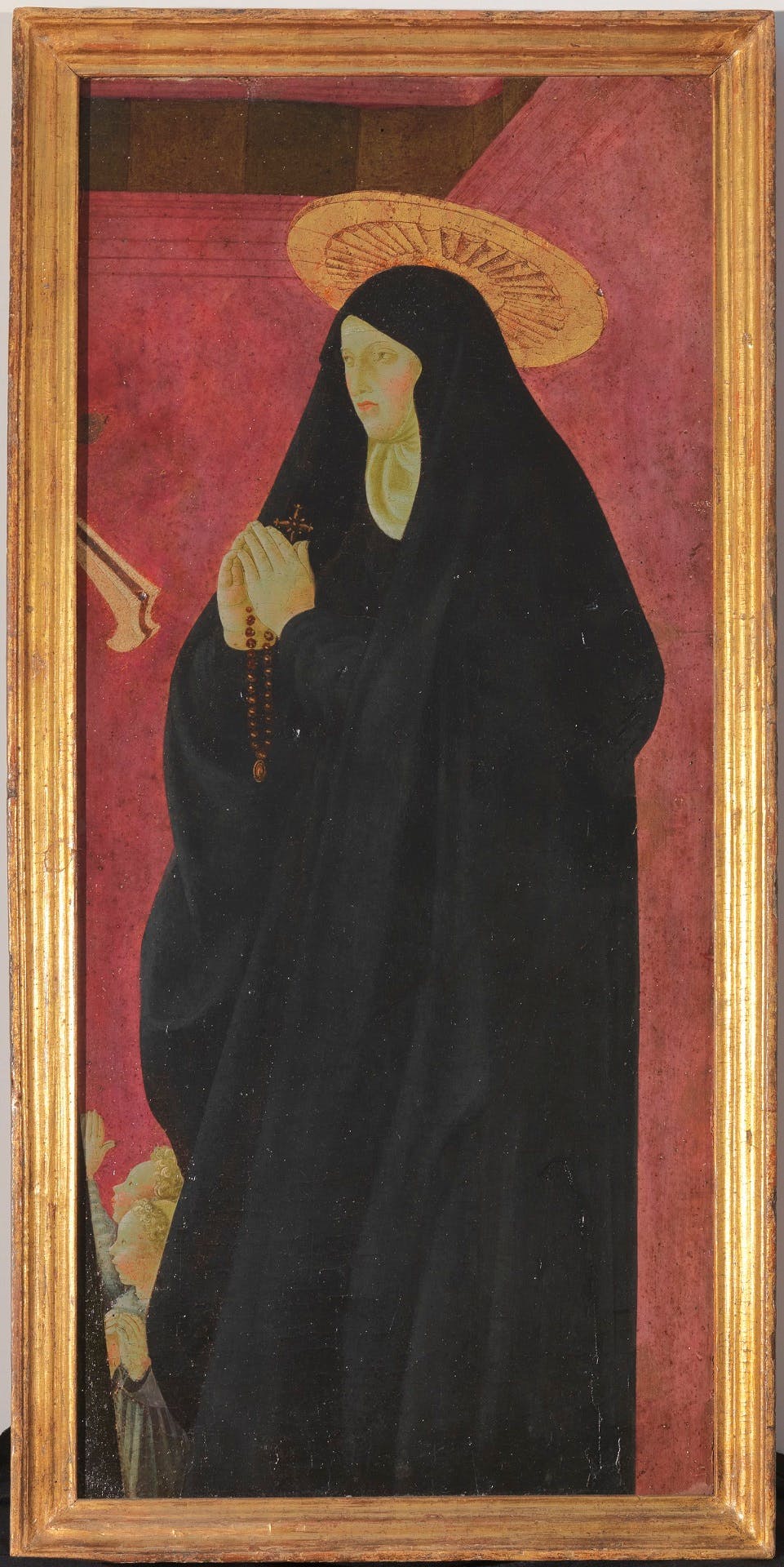
St. Ambrose of Milan (postponed)

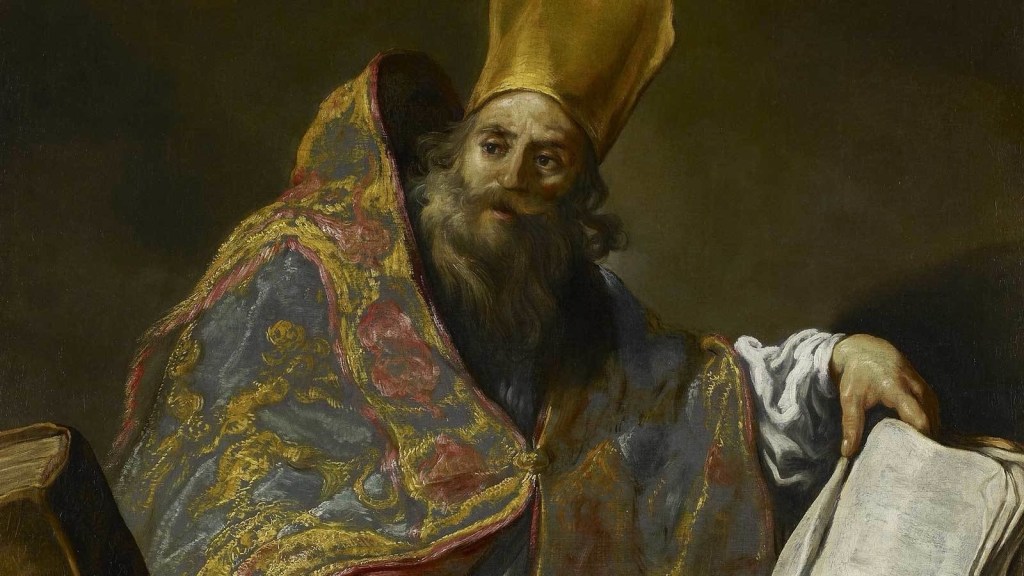
St. Ambrose of Milan (c. 340–397) served as bishop during a critical period in the Church’s history. Known for his pastoral wisdom, theological clarity, and courage, Ambrose defended the faith against heresy and guided the Church with humility and strength. His preaching and teaching profoundly influenced Christian theology and worship, including the conversion of St. Augustine. Ambrose’s leadership reflects the wisdom praised in Scripture and the faithful stewardship of Christ’s household (Sirach 47; John 15).

Ambrose’s life encourages faithful teaching rooted in Christ. As branches abiding in the true Vine, may we be nourished by God’s wisdom and bear fruit in lives shaped by faith, humility, and service.

All Saints Classical Lutheran School forms children in this inheritance. Learn more at classicaljonesboro.org

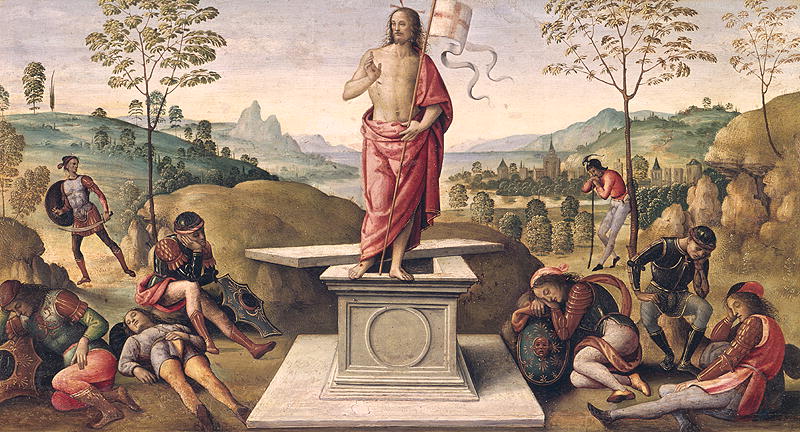
The Resurrection of Our Lord

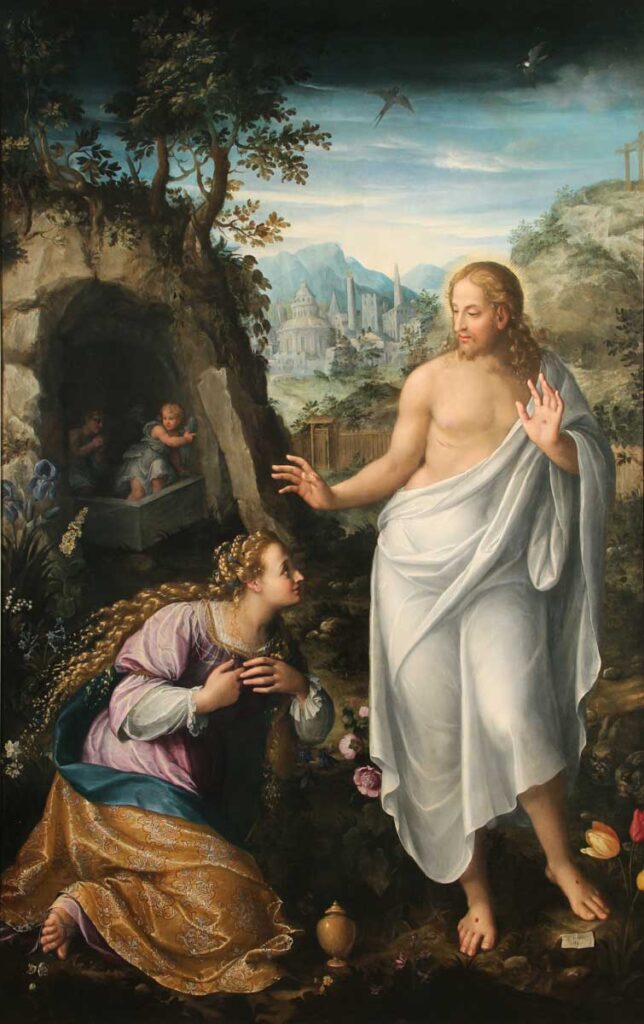
The Resurrection of Our Lord proclaims Christ’s victory over sin, death, and the grave. On the third day, the tomb was found empty, and the angel announced that Jesus had risen, just as He said (Mark 16:1–8). This feast stands at the center of the Church’s confession, declaring that Christ is our Passover who has been sacrificed and raised for us (1 Corinthians 5:7–8). The Resurrection assures believers that death has been defeated, and our own resurrection and eternal life have been secured in Christ.

The risen Christ calls us from fear into faith and from death into life. As the Church rejoices in His victory, may this feast renew our hope, strengthen our trust in God’s promises, and fill us with joy that Christ lives and reigns forever.

All Saints Classical Lutheran School forms children in this inheritance. Learn more at classicaljonesboro.org

Holy Saturday

Holy Saturday is the quiet day between the death and resurrection of our Lord Jesus Christ. His body rests in the tomb, while He descends to proclaim His victory over death and the grave (1 Peter 3:18–19). The Church keeps this day in stillness, holding together the sorrow of burial and the promise of resurrection.

In the Church’s teaching, this descent is not defeat but triumph. Lutheran dogmaticians such as Martin Chemnitz, Johann Gerhard, and Johannes Quenstedt emphasized that the hypostatic union was not broken in Christ’s death. Though His body and soul were separated, both remained united to His divine person. Thus, the One who descended is the same Christ who was crucified and buried—the victorious Lord who proclaims His triumph even in death.

Holy Saturday teaches us to wait upon the Lord in faith. When all seems hidden, Christ is still at work. His rest in the tomb is not defeat, but the completion of His saving labor.

May we learn this holy stillness, trusting that as Christ lay in the grave, so He will rise—and with Him, all who belong to Him.

All Saints Classical Lutheran School forms children in this inheritance. Learn more at classicaljonesboro.org

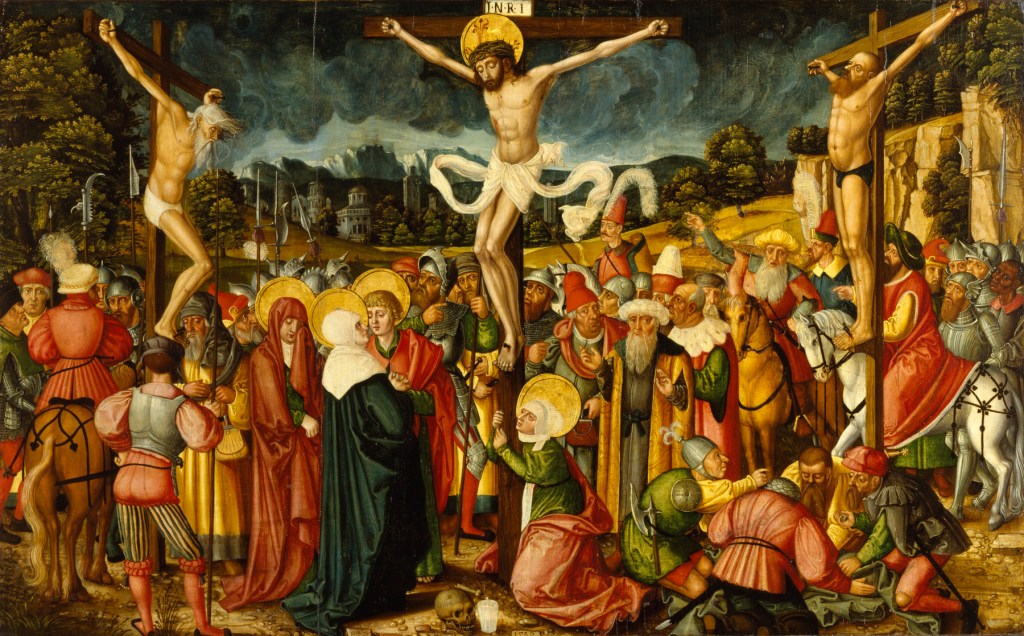
Good Friday

Good Friday stands at the heart and center of the Christian faith, commemorating the suffering and death of Jesus Christ for the redemption of the world (John 18:1–19:42). Betrayed, condemned, and crucified, Christ bears the sin of humanity and fulfills the Scriptures. His cross reveals both the gravity of sin and the immeasurable depth of God’s mercy. The Church gathers in solemn reflection, confessing that by His wounds we are healed and that His death is the source of our life.

At the cross, we behold the cost of our redemption and the fullness of Christ’s love. Good Friday calls us to repentance, humility, and trust in the One who gave His life for us. May this day deepen our faith in Christ crucified and strengthen our hope in His saving work.

Readings: Hosea 5:15b—6:6 / Exodus 12:1–11 / John 18:1—19:42

All Saints Classical Lutheran School forms children in this inheritance. Learn more at classicaljonesboro.org

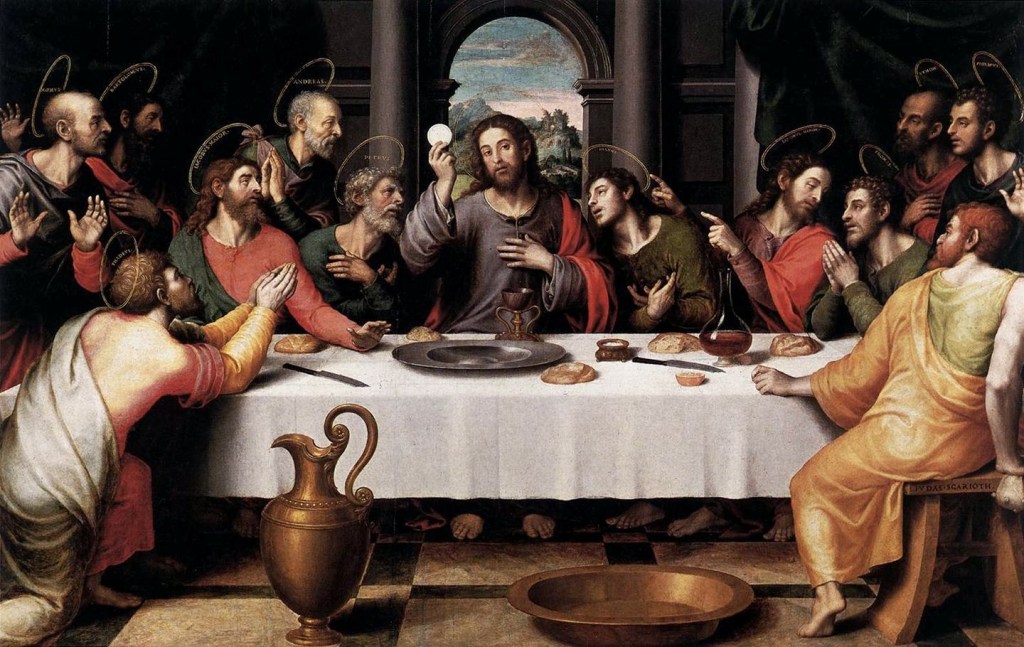
Maundy Thursday

Maundy Thursday commemorates the night on which our Lord Jesus Christ instituted the Holy Supper and gave His disciples the new commandment of love. On this night, Christ humbled Himself to wash His disciples’ feet (John 13:1–15) and gave His Body and Blood for the forgiveness of sins (1 Corinthians 11:20–32). The Church remembers this day as the beginning of the great Three Days, in which Christ willingly enters His Passion for the salvation of the world. Maundy Thursday reveals the depth of Christ’s love, expressed through humble service and sacrificial giving.

Christ’s love is not spoken only in words but enacted in service and self-giving. As He kneels before His disciples and gives Himself for them, we are taught what love truly is. May this day draw us into deeper gratitude for Christ’s mercy and shape our lives in humble service toward one another.

Readings: Exodus 24:3–11 / 1 Corinthians 11:20–32 / John 13:1–15

All Saints Classical Lutheran School forms children in this inheritance. Learn more at classicaljonesboro.org

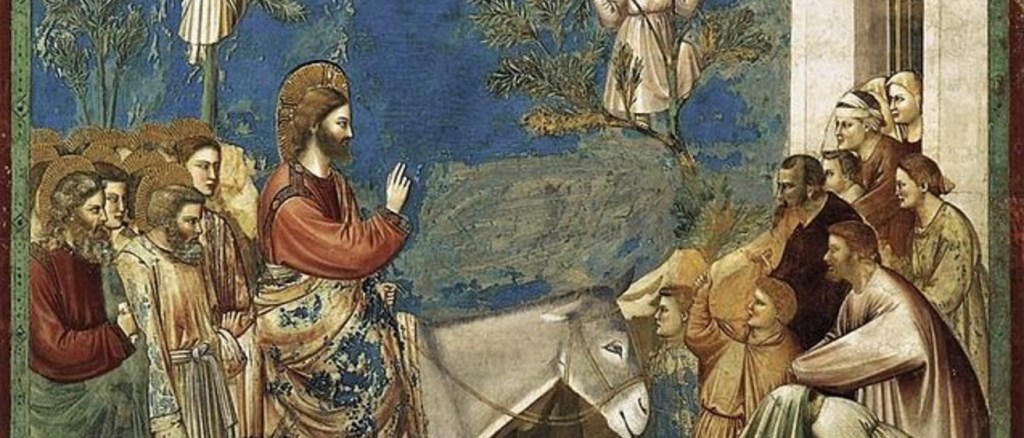
Palm Sunday

Palm Sunday commemorates Christ’s triumphal entry into Jerusalem, where He was welcomed with palms and praise (Luke 19:29–40). The crowds hailed Him as King, though His reign would soon be revealed through suffering and the cross. This day marks the beginning of Holy Week, directing the Church to the mystery of Christ’s humble kingship and His willing journey toward the Passion.

Palm Sunday calls us to follow Christ not only in moments of triumph, but also in obedience and faith through suffering. May this day strengthen our trust in Christ the King, who comes in humility to bring salvation through the cross.

Readings (Palm Sunday Procession): Exodus 15:27—16:7a / Luke 19:29–40
Readings (Palm Sunday Mass): Philippians 2:5–11 / Matthew 26:1—27:66

All Saints Classical Lutheran School forms children in this inheritance. Learn more at classicaljonesboro.org

The Annunciation to the Blessed Virgin Mary

The Annunciation celebrates the angel Gabriel’s announcement to the Virgin Mary that she would bear the Son of God (Luke 1:26–38). In this moment, the eternal Word took flesh, fulfilling God’s promise of salvation (Isaiah 7:14; Hebrews 10:4–10). Mary’s humble response, “Let it be to me according to your word,” marks the beginning of Christ’s saving work in the world. This feast proclaims the mystery of the Incarnation and God’s gracious initiative for our redemption.

The Annunciation calls us to marvel at God’s mercy and faithfulness. As Christ takes flesh for our salvation, may this feast strengthen trust in God’s Word, humble obedience, and joyful confidence in the salvation He provides.

Readings: Isaiah 7:10–15 / Hebrews 10:4–10 / Luke 1:26–38a

All Saints Classical Lutheran School forms children in this inheritance. Learn more at classicaljonesboro.org

St. Benedict of Nursia

St. Benedict of Nursia (c. 480–547) founded Western monasticism through his Rule, which emphasized prayer, work, and obedience. Born into a world of political instability following the downfall of the Western Roman Empire, Benedict withdrew from the chaos of Rome to seek a life ordered by faith. What began as a solitary pursuit soon drew others, and Benedict established communities centered on discipline, humility, and devotion to God. His Rule provided a balanced pattern of daily prayer, Scripture, and labor, shaping not only monastic life but the broader rhythm of Christian living for centuries. Through these communities, the faith was preserved, taught, and lived out in a turbulent age.

Benedict’s life reflects Christ’s promise that those who leave all for His sake receive far more in God’s kingdom (Matthew 19:27–29). His witness encourages ordered devotion and faithful perseverance, not as a withdrawal from the Church, but as a deepening of life within it. May his example inspire discipline, humility, and trust in God’s promises, as we follow Christ with undivided hearts, seeking to order our own lives according to His Word and in service to our neighbor.

Readings: Sirach 24:31–32, 45, 33—25:1a / Matthew 19:27–29

All Saints Classical Lutheran School forms children in this inheritance. Learn more at classicaljonesboro.org

St. Juliana of Nicomedia

St. Juliana of Nicomedia was martyred around AD 305 during the Diocletian persecution. As a young Christian woman, she refused marriage to a pagan official and boldly confessed Christ. Enduring imprisonment and execution, Juliana remained firm in faith, trusting in the wisdom that overcomes darkness (Wisdom 7:30–8:4a). Her witness strengthened the Church and proclaimed the surpassing worth of Christ’s kingdom.

Juliana’s life reflects Christ’s teaching about the treasure worth every sacrifice (Matthew 13:44–52). May her example strengthen courage, clarity of faith, and joyful trust in Christ, who gives wisdom that leads to eternal life.

Readings: Wisdom 7:30b—8:4a / Matthew 13:44–52

Visit the All Saints Parish blog to learn more about the ancient faith and the Church’s life.

St. Valentine

St. Valentine was a priest and martyr of Rome, traditionally dated to the mid-third century. Though details of his life are limited, early tradition remembers him as a faithful shepherd who ministered to Christians during persecution. His martyrdom bears witness to sacrificial love grounded in wisdom and faith (Proverbs 3:13–20). Valentine’s legacy endures not as sentimental romance, but as a testimony to devotion rooted in Christ.

Christ calls His disciples to take up the cross and follow Him (Luke 9:23–27). Valentine’s witness reminds us that true love is shaped by sacrifice and faithfulness. May his example encourage steadfast devotion, wise trust in God’s ways, and courage to follow Christ in every circumstance.

Readings: Proverbs 3:13–20 / Luke 9:23–27

Visit the All Saints Parish blog to learn more about the ancient faith and the Church’s life.