St. Andrew, Apostle

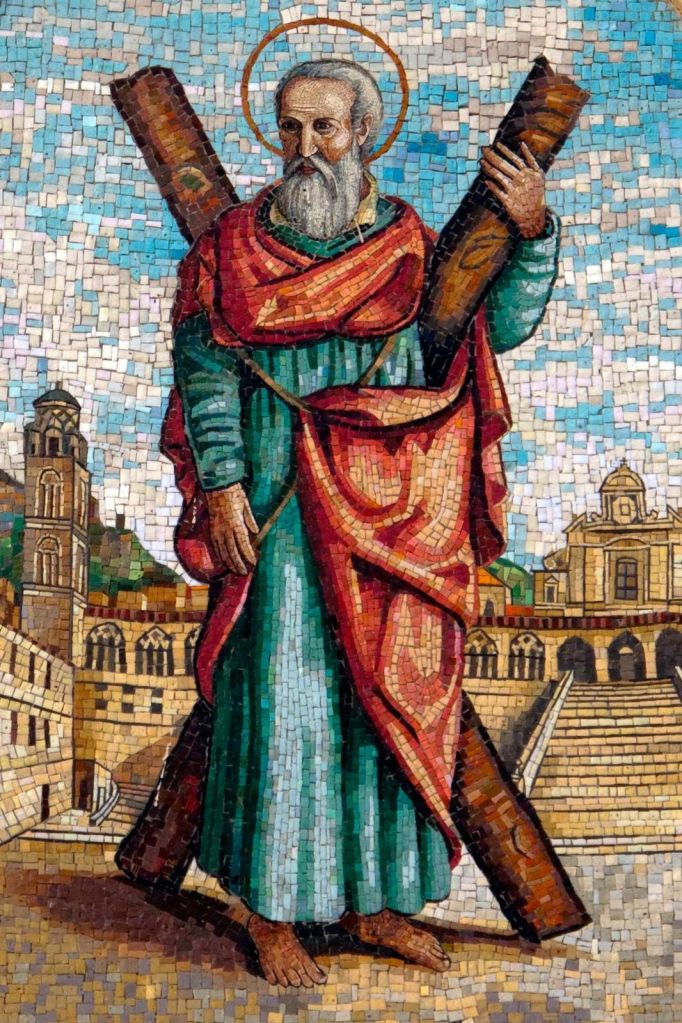
St. Andrew, brother of St. Peter and one of the first disciples, preached Christ across Scythia and Greece, ultimately martyred for his faith. His dedication, evangelistic courage, and humility in serving others exemplify faithful discipleship. Andrew’s witness strengthened the early Church and continues to inspire believers to follow Christ boldly and selflessly.

Andrew encourages discipleship marked by courage, humility, and dedication. May his life inspire evangelistic zeal, steadfast faith, and joy in serving Christ, trusting His guidance in all circumstances.

Vigil of St. Andrew

The vigil anticipates St. Andrew, apostle and missionary, who brought others to Christ and witnessed faithfully despite persecution. His life exemplifies evangelistic zeal, humility, and willingness to suffer for the Gospel. The vigil invites reflection on preparation, prayer, and readiness to live faithfully as disciples.

Andrew’s vigil encourages preparation for faithful witness. May his example inspire readiness, humility, and zeal for sharing the Gospel, fostering devotion in daily life and commitment to Christ’s mission.

St. Catherine of Alexandria (d. c. 305)

St. Catherine, a learned princess and martyr, boldly defended the Christian faith before the emperor and converted many through reasoned argument. She endured torture and death rather than renounce Christ, demonstrating courage, wisdom, and fidelity. Catherine’s life illustrates the harmony of intellect, faith, and moral courage in the service of Christ and His Church.

Catherine reminds us that faith and reason work together in witnessing Christ. May her example inspire courage, intellectual engagement with God’s truth, and unwavering commitment to Christ in the face of challenges.

St. Chrysogonus (d. c. 304)

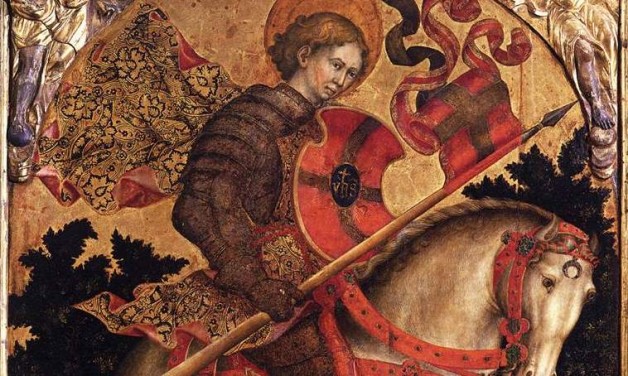
St. Chrysogonus, a Roman martyr, suffered for confessing Christ under Diocletian. Tradition portrays him as courageous, faithful, and unwavering in the face of death. His example strengthened the early Church and inspired fellow believers to remain steadfast. Chrysogonus’ life demonstrates the enduring power of faith and the importance of courage and integrity in confessing Christ publicly.

Chrysogonus encourages courage in confession and trust in God’s sovereignty. May his life inspire steadfastness, boldness in faith, and a willingness to bear trials with patience and confidence in God’s promises.

St. Cecilia (d. c. 230)

St. Cecilia, a Roman virgin and martyr, is celebrated for her dedication to Christ and her witness in the midst of persecution. Tradition emphasizes her love for music as a form of praise to God, linking artistry with devotion. Her courage and commitment inspire Christians to live faithfully, even when it involves sacrifice, and to offer gifts, talents, and lives wholly to God.

Cecilia encourages offering our gifts to God in love and service. May her example inspire courage in faith, dedication to Christ, and the use of our talents to glorify Him and edify His Church.

St. Elisabeth of Hungary (1207–1231)

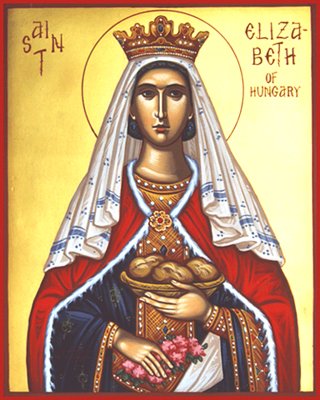
St. Elisabeth, a princess of Hungary, devoted her life to the poor and sick, practicing humility, charity, and self-denial. She founded hospitals and gave generously, reflecting Christ’s compassion. Despite courtly responsibilities and opposition, she remained steadfast in faith. Her life demonstrates that love for neighbor is inseparable from devotion to God, and that true greatness lies in service and mercy.

Elisabeth inspires us to serve with compassion and humility. May her example encourage generous hearts, care for the suffering, and joyful obedience to God, reflecting His love in practical ways to those around us.

Saints Nereus and Achilleus of Terracina

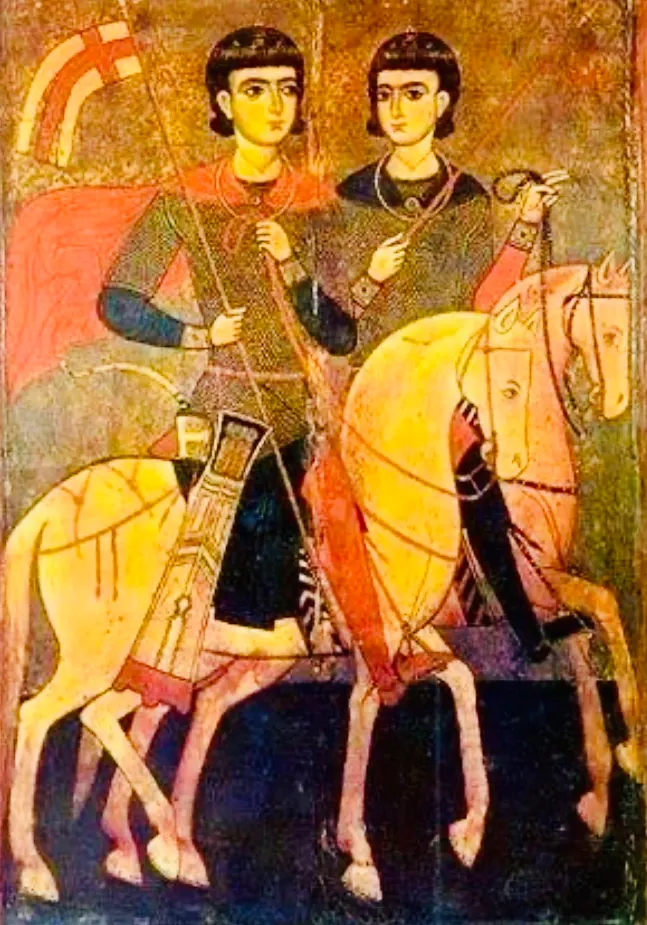
Nereus and Achilleus were first-century soldiers who became Christians. They decided that, as Christians, it was wrong for them to fight for the pagan Roman Empire. So they ran away to the island of Terracina (located southeast of the city of Rome); when they were found, they were beheaded. This occurred during the persecution of Christians under the Roman emperor Trajan. Saint Damasus honored them with a tombstone some years later, at a church dedicated at the site of their deaths. “O miracle of faith!” wrote Damasus, “Suddenly they cease from their fury, they become converted, they flee from the camp of their wicked leader.   Professing the faith of Christ, they are happy to witness to its triumph!”

Adapted from “Saints: Becoming an Image of Christ Every Day of the Year”, by Beutner

Annunciation of Our Lord

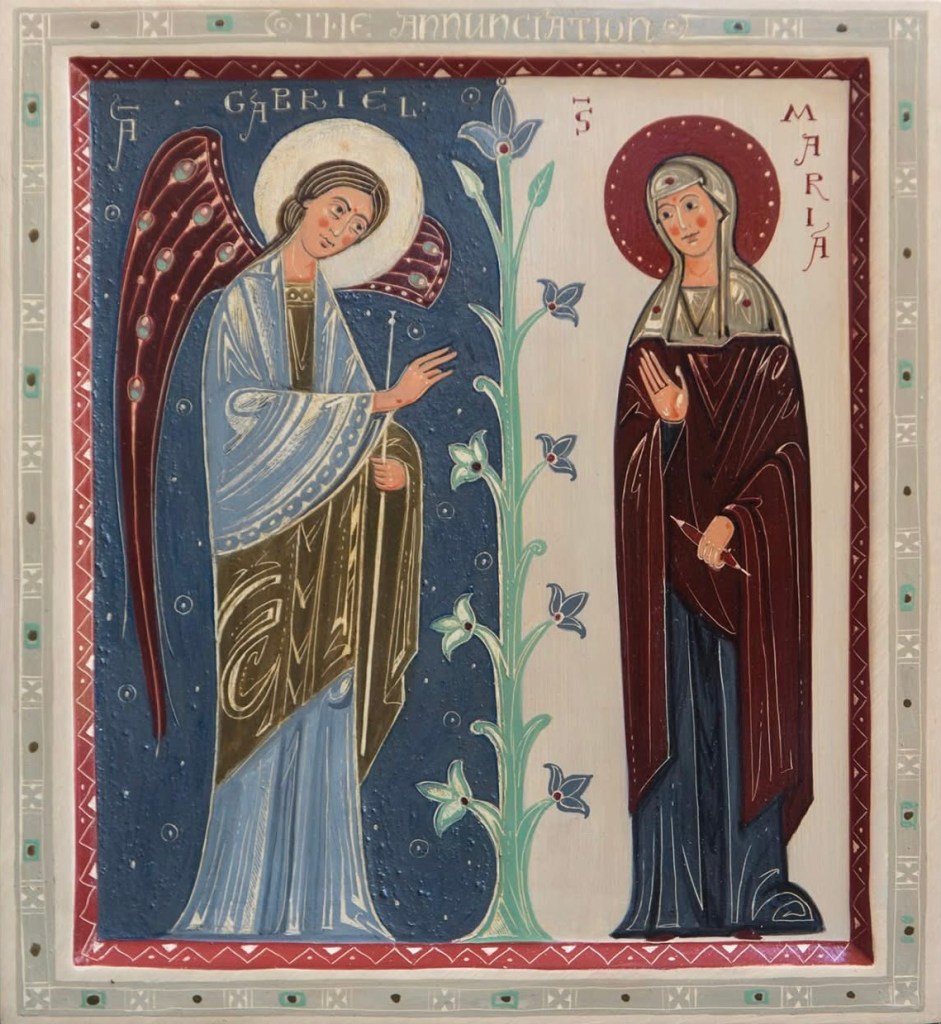
Yesterday was the Feast of the Annunciation of Our Lord, in which we remember the announcement of the Christ-Child by the archangel Gabriel to the Blessed Virgin Mary and Jesus’ conception by the Holy Spirit in the Virgin’s womb. Beginning on this day, nine months before the Nativity of Our Lord at Christmas, God took on human flesh in order that as the God-Man He might take our sin upon Himself and rescue us from sin, death, and the power of the devil. In Christ, humanity is restored. As Jesus has been born to be the new Adam and the firstborn of the new creation, so now all who are born again through being united with Christ in Holy Baptism have become part of the restored humanity as children of God and have the promise of complete renewal and restoration in Christ.

Saint Joseph (Mar. 19)

Homily for the Feast of St. Joseph

by Fr. Josh Leigeber

IN+J

What an incredible example Saint Joseph is of humble faith! And an example that hits home, perhaps, a little bit more than some of the other saints we remember. Because, admittedly, a good many of the saints’ days observed in the Church’s calendar are apostles, priests, bishops, theological doctors, martyrs—and as a result, in some ways, they may sometimes seem far-removed from our day to day experience, and even, perhaps, other-worldly.

But Joseph, who, other than the Blessed Virgin, is one of the most consequential saints remembered in the liturgical year, was none of those things. He was simply a husband, and a layman, and a simple worker. His saintly example is all bound up in the fact that Joseph quietly fulfilled his family vocations of being a guardian, protector, and provider for the Blessed Mother and for our Lord Jesus Himself. As such, we see in Saint Joseph a shadow of the Heavenly Father who is the guardian, protector, and provider for us all, and an image of what being a faithful husband and father looks like. 

In particular, we see how within those vocations, Joseph’s faithfulness comes as a result of—and together with—his humbly and faithfully listening to the Word of God and doing whatever it is that God has given him to do. Joseph never hesitates to obey, and he never draws attention to Himself. The only word he is recorded as saying in the Sacred Scriptures is at the birth of our Lord when he calls His name JESUS, in accordance with the divine angelic pronouncement that the Child will save His people from their sins. Joseph simply follows God’s direction and command, and as a result, he lives a life of strong and yet modest care and self-giving to Mary and Jesus. He just fulfills his vocations and follows the Word of God.

Husbands and fathers: you too are called to be guardians, protectors, and providers for your wife and your children. This is the vocation you have been given and what God has called you to. And you are to fulfill those responsibilities never from a posture of being overbearing or harsh, but from a position of strong yet humble love and self-giving. And in that Saint Joseph is your model. This means that you are called to lead your household; to guard your family (with God’s help) from the influences of the devil and the world. And most of all, it means that you are to hear and heed God’s Word and to make Christ and the Word of Christ central within your family’s life.

Everyone: like Blessed Joseph, you too are called to be faithful laypeople who listen to the Word of God, cling to Christ, and do whatever it is God has given you to do within your various vocations. You have not been called to be apostles, priests, bishops, theological doctors, or God-willing, martyrs, but you have all been given particular callings from God and vitally important responsibilities within those various callings. As you seek to carry them out, strive to follow the example of Saint Joseph by submitting to God’s Word in all humility and, within your daily life and the living out of your vocations, to guard and protect, like Joseph, the dignity of the sacred life and confession of Jesus. And as you do, through Jesus, who has saved you from your sins, you will be temporally and eternally blessed. 

IN+J