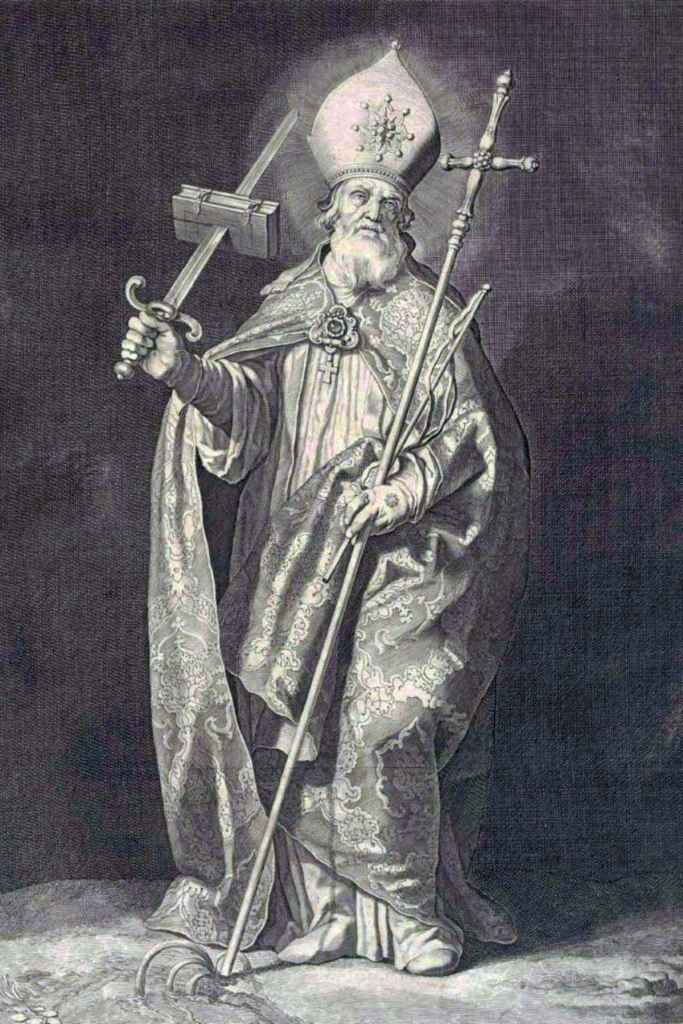
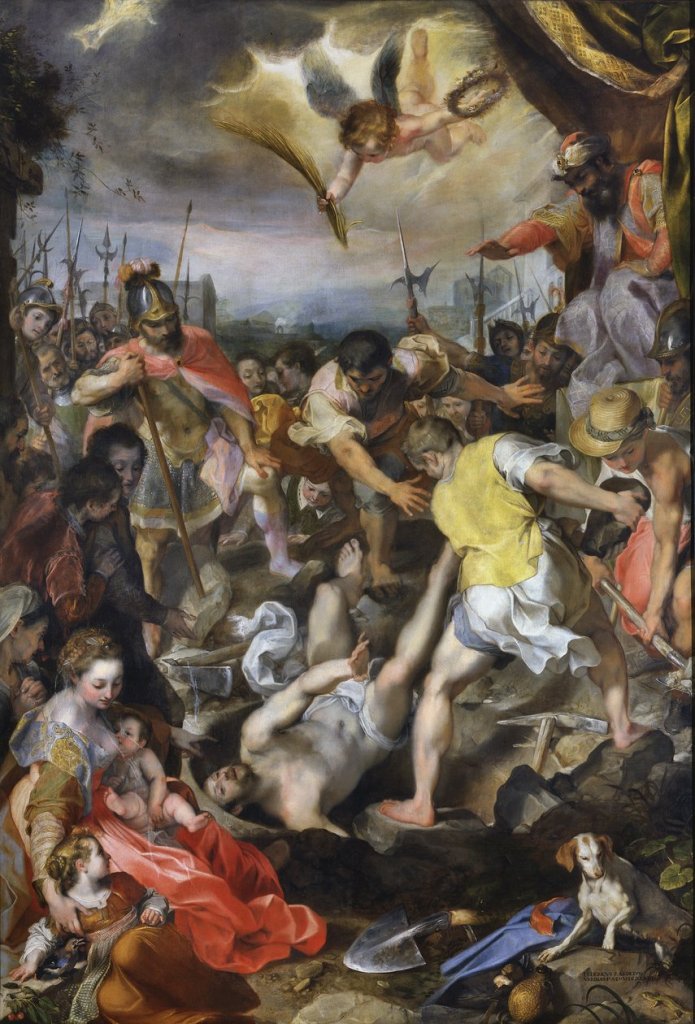
St. Vitalis

St. Vitalis was an early Christian martyr, traditionally associated with Ravenna, who suffered death for confessing Christ. His steadfastness under persecution strengthened the Church and testified to the hope of resurrection. Though details of his life are limited, his witness reflects the confidence of the righteous who trust God’s final judgment and mercy (Wisdom 5:1–5).

Vitalis’ confession encourages perseverance in faith. As Christ teaches, those who abide in Him remain fruitful even amid trial (John 15:1–7). May his witness strengthen our trust in Christ and our endurance in faithful living.

All Saints Classical Lutheran School forms children in this inheritance. Learn more at classicaljonesboro.org
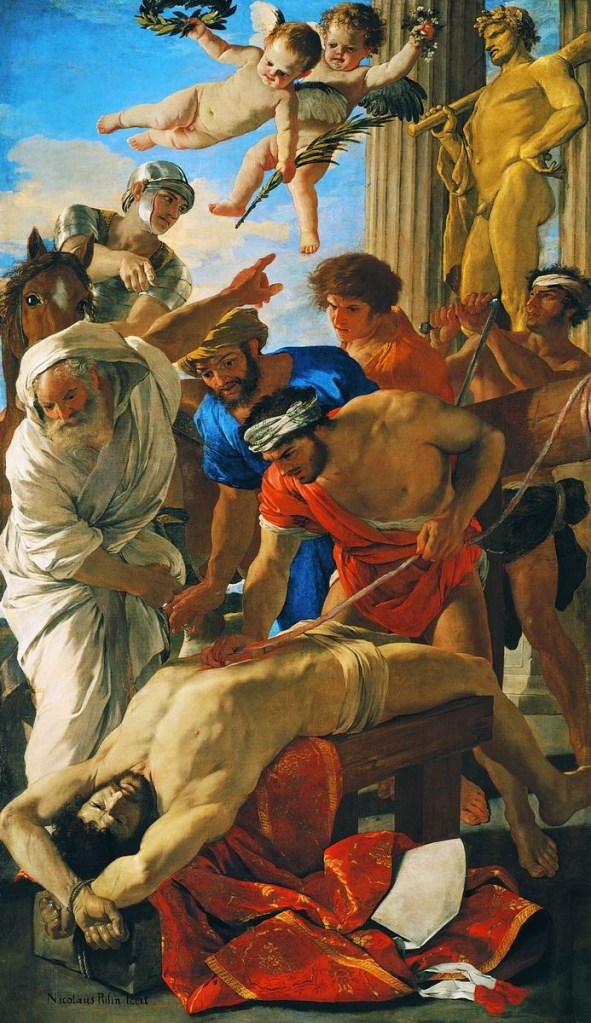
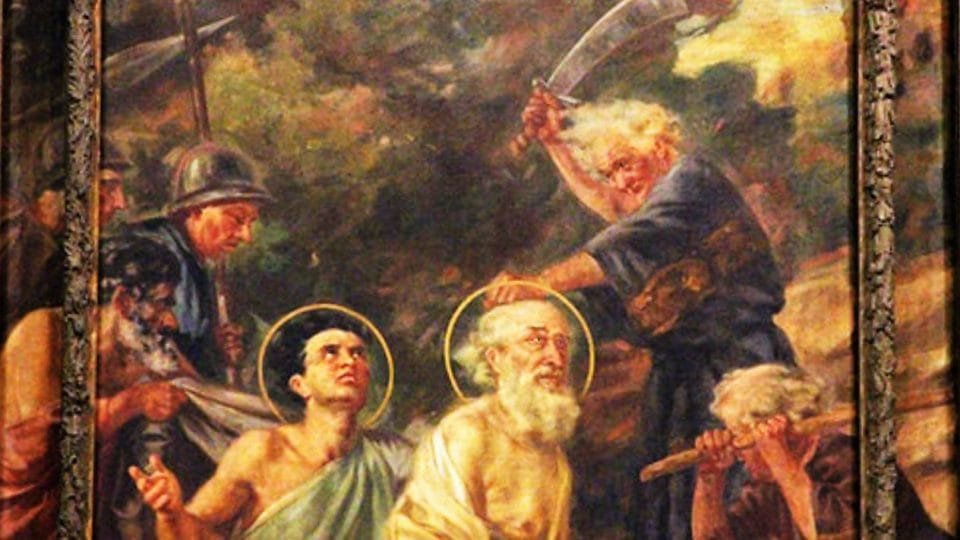
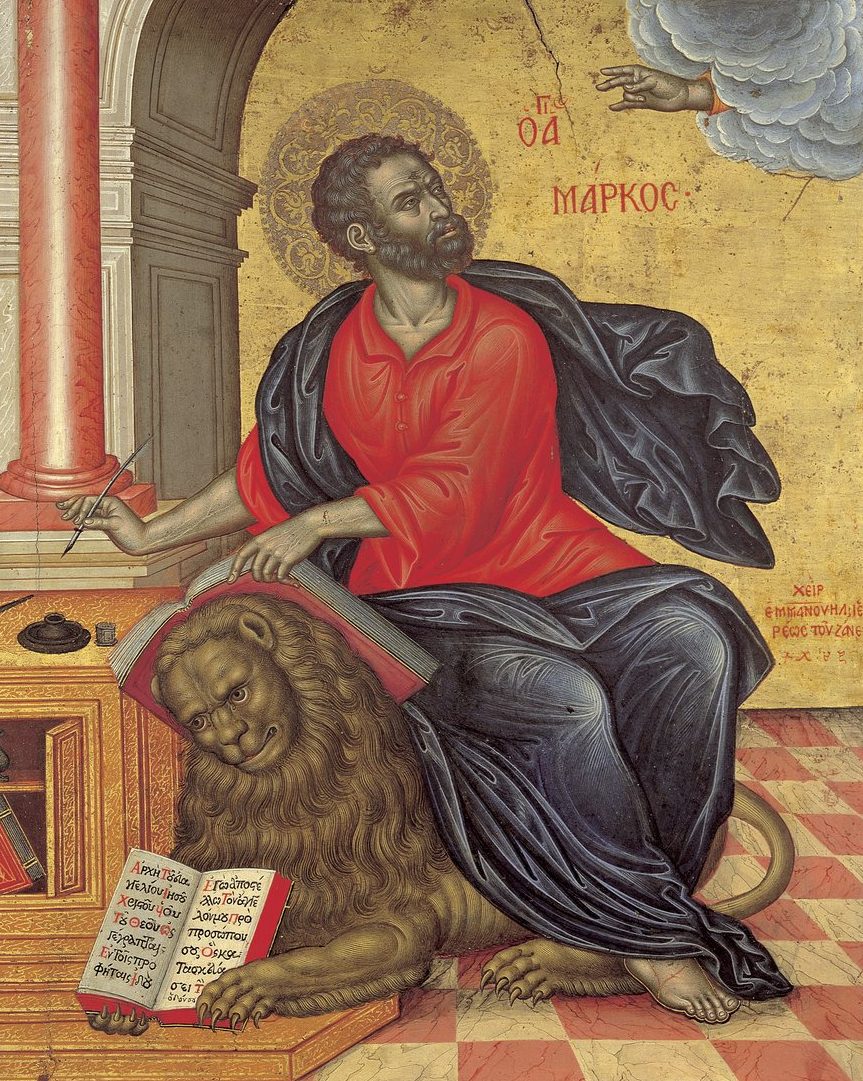
St. Mark, Evangelist

St. Mark the Evangelist was a companion of the apostles Peter and Paul and the author of the Gospel bearing his name. His Gospel proclaims Christ as the Son of God who comes to suffer, die, and rise again. Early tradition holds that Mark later served the Church in Alexandria and suffered martyrdom. His witness continues to call the Church to faithful proclamation of the Gospel revealed in heaven and confessed on earth (Revelation 4:1–10).

Mark’s witness directs us to Christ, the faithful and true Lord. As we remain rooted in Him, may we grow in devotion to the Gospel and bear fruit through faithful confession and living trust in Christ.

All Saints Classical Lutheran School forms children in this inheritance. Learn more at classicaljonesboro.org
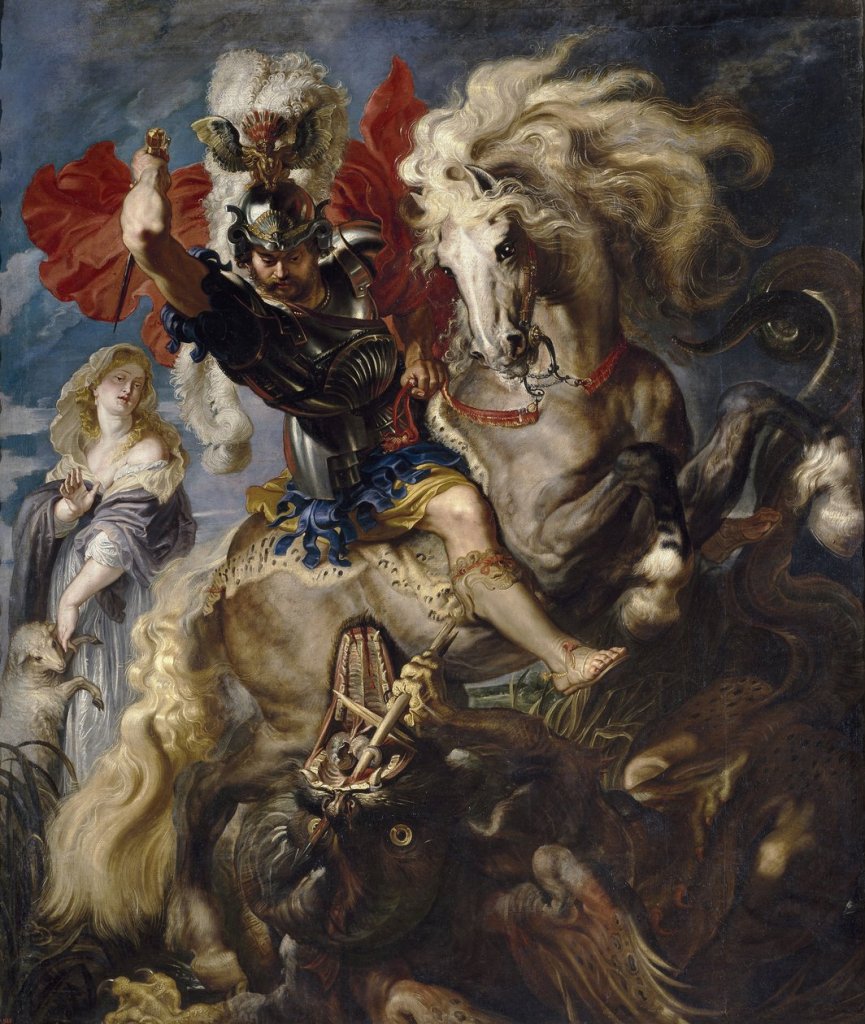
St. George

St. George was a Roman soldier and Christian martyr, traditionally dated to the early fourth century. Refusing to renounce Christ, he endured torture and death during persecution under Emperor Diocletian. Though later legends embellished his story, the Church remembers George primarily as a faithful witness who stood firm in confession. His life reflects the confidence of those who trust in God’s vindication rather than earthly power (Wisdom 5:1–5).

Christ calls His disciples to abide in Him and bear fruit through faithful endurance (John 15:1–7). George’s witness encourages courage rooted in faith, reminding us that true victory belongs to those who remain in Christ.

All Saints Classical Lutheran School forms children in this inheritance. Learn more at classicaljonesboro.org
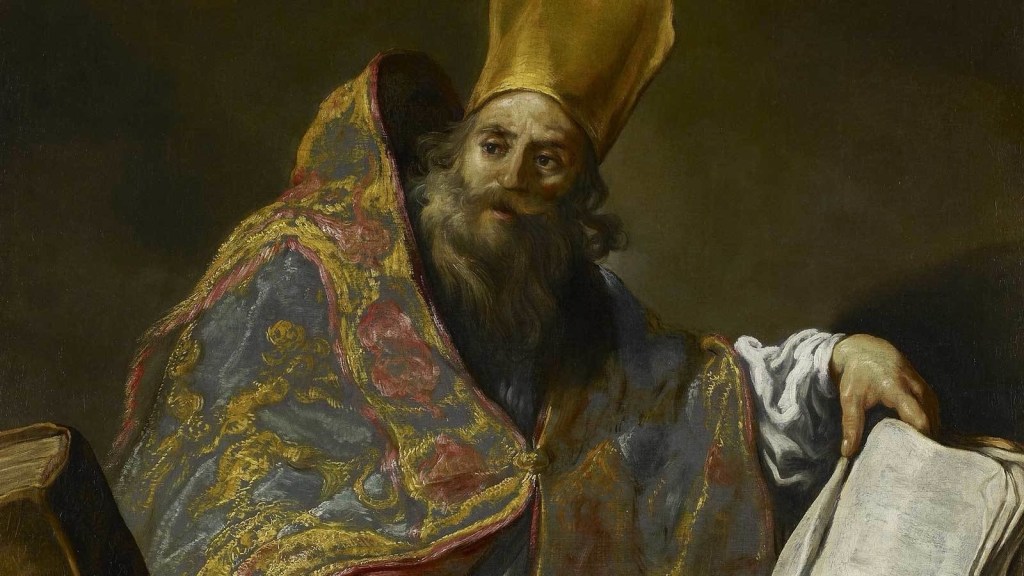
St. Ambrose of Milan (postponed)

St. Ambrose of Milan (c. 340–397) served as bishop during a critical period in the Church’s history. Known for his pastoral wisdom, theological clarity, and courage, Ambrose defended the faith against heresy and guided the Church with humility and strength. His preaching and teaching profoundly influenced Christian theology and worship, including the conversion of St. Augustine. Ambrose’s leadership reflects the wisdom praised in Scripture and the faithful stewardship of Christ’s household (Sirach 47; John 15).

Ambrose’s life encourages faithful teaching rooted in Christ. As branches abiding in the true Vine, may we be nourished by God’s wisdom and bear fruit in lives shaped by faith, humility, and service.

All Saints Classical Lutheran School forms children in this inheritance. Learn more at classicaljonesboro.org
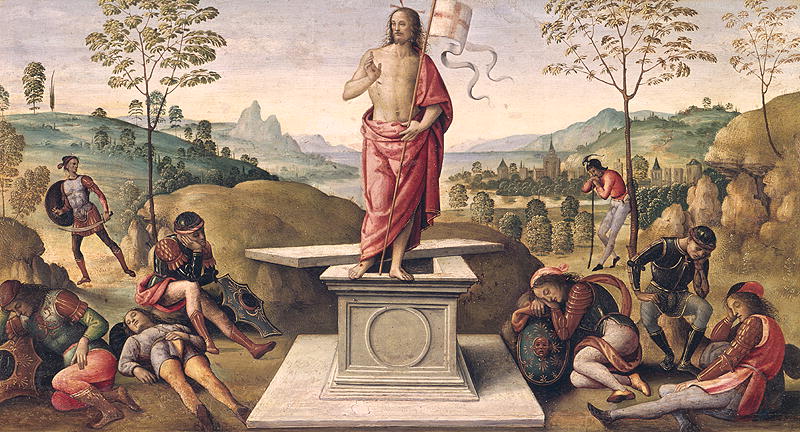
The Resurrection of Our Lord

The Resurrection of Our Lord proclaims Christ’s victory over sin, death, and the grave. On the third day, the tomb was found empty, and the angel announced that Jesus had risen, just as He said (Mark 16:1–8). This feast stands at the center of the Church’s confession, declaring that Christ is our Passover who has been sacrificed and raised for us (1 Corinthians 5:7–8). The Resurrection assures believers that death has been defeated, and our own resurrection and eternal life have been secured in Christ.

The risen Christ calls us from fear into faith and from death into life. As the Church rejoices in His victory, may this feast renew our hope, strengthen our trust in God’s promises, and fill us with joy that Christ lives and reigns forever.

All Saints Classical Lutheran School forms children in this inheritance. Learn more at classicaljonesboro.org