
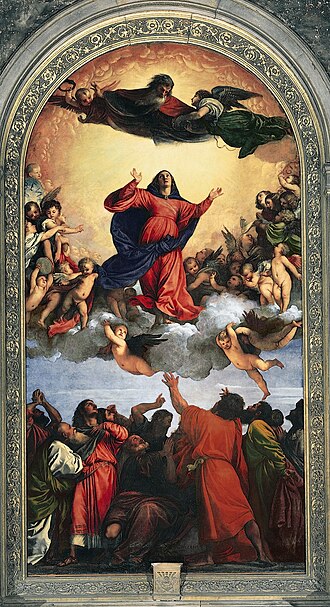
The Assumption of the Blessed Virgin Mary

The Assumption commemorates Mary being taken bodily into heaven at the end of her earthly life. Mary’s life of obedience, humility, and faithfulness stands as a model for all Christians. Lutherans honor her as an example of faithful reception of God’s Word and trust in His promises, acknowledging her role in salvation history without attributing mediatorial power.

Mary teaches us to live in humble obedience and trust in God’s promises. Through proclamation of the Gospel and reception of the Sacraments, we share in the salvation her Son accomplished. May this feast inspire joyful faith, obedience, and a devotion centered on Christ, uniting us with the communion of saints.

All Saints Classical Lutheran School forms children in this inheritance. Learn more at classicaljonesboro.org
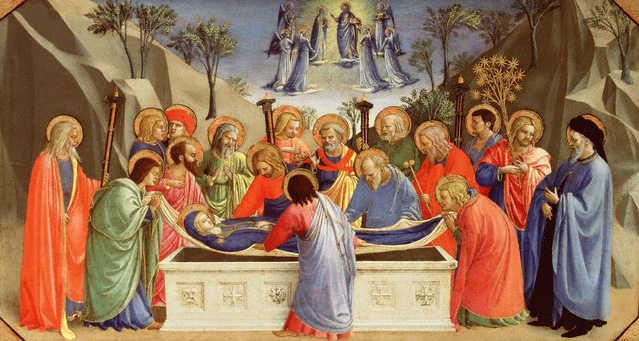
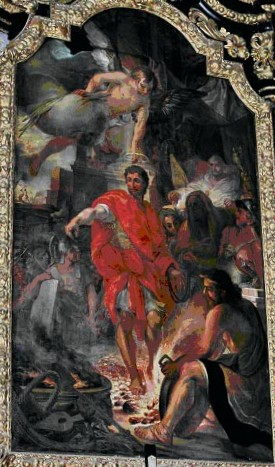
Vigil of the Assumption of the BVM

The vigil prepares for the Assumption of the Blessed Virgin Mary, commemorating her being received into heaven. Mary, mother of our Lord, exemplified faithful obedience to God’s Word, humility, and trust in God’s promises. The vigil invites reflection on her example of faith and her role in God’s salvation plan.

The vigil encourages meditation on faith, obedience, and God’s providence. Mary’s life shows us how trust in God shapes our daily walk. May her example inspire humility, faithful reception of the Word, and devotion to Christ.

All Saints Classical Lutheran School forms children in this inheritance. Learn more at classicaljonesboro.org
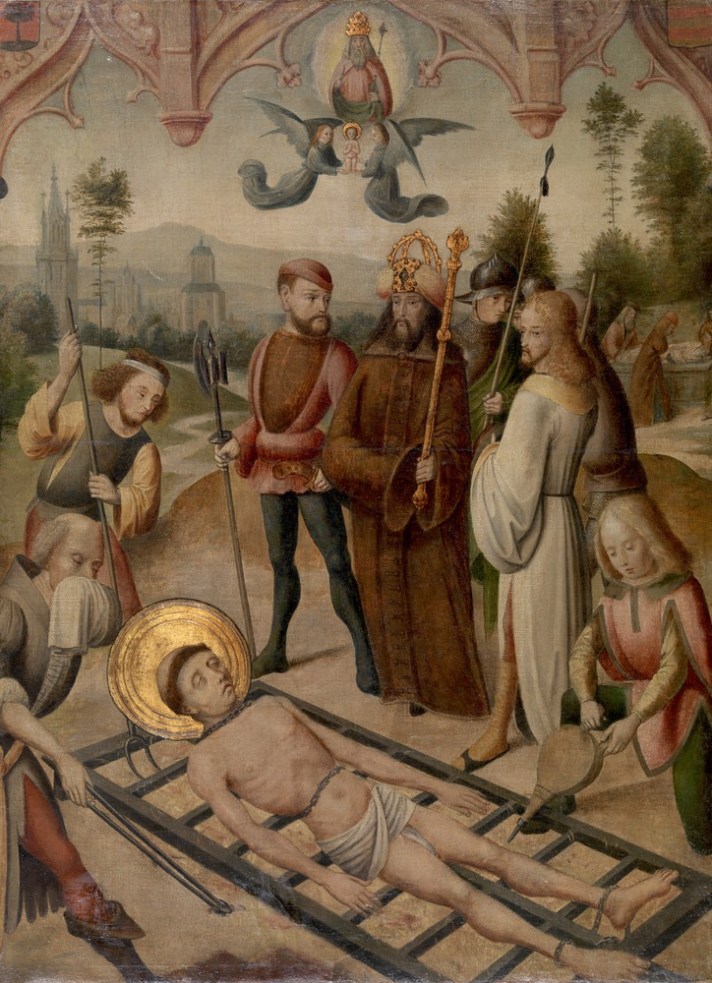
St. Tiburtius

St. Tiburtius was an early Christian martyr of Rome who refused to sacrifice to idols. Tradition records that he endured imprisonment and death rather than deny Christ. His steadfastness encouraged fellow believers and strengthened the early Church. Tiburtius’ life exemplifies courage, loyalty to the Gospel, and trust in God’s providence, serving as an enduring model of martyrdom.

Tiburtius’ witness reminds us that faithfulness may require courage. Christ sustains His people through Word and Sacrament. May Tiburtius inspire steadfast faith, confident obedience, and trust in God’s promises, uniting us with the communion of saints.

All Saints Classical Lutheran School forms children in this inheritance. Learn more at classicaljonesboro.org

St. Lawrence, Deacon & Martyr

St. Lawrence, one of the seven deacons of Rome, cared for the Church’s poor and defended its temporal and spiritual needs. Martyred in 258 under Emperor Valerian, he remained faithful, even as he was roasted alive on a gridiron, reportedly declaring, “I’m well done on this side; turn me over.” He exemplifies courage, compassion, and faithful service. His witness demonstrates that serving the least of Christ’s brethren is an essential aspect of discipleship, and that faithful stewardship of the Church’s gifts glorifies God.

Lawrence inspires us to serve Christ through care for others. By His grace, Christ equips us for faithful service and strengthens us amid challenges. May Lawrence’s example encourage generosity, steadfastness, and courageous witness in our daily lives.

All Saints Classical Lutheran School forms children in this inheritance. Learn more at classicaljonesboro.org
St. Mary Magdalene

Mary of Magdala stands among the most compelling figures in all of the Gospels. Healed by our Lord of seven demons (Luke 8:2), she followed Him throughout His ministry, stood at the foot of the Cross on Good Friday (John 19:25), and came to the tomb early on the first day of the week to anoint His body. It was to her that the risen Christ first appeared — speaking her name in the garden — and it was she whom He sent to tell the disciples: “I have seen the Lord” (John 20:18). The ancient Church honored her with the title Apostola apostolorum — Apostle to the Apostles — recognizing that the Lord chose a woman, and this woman in particular, to be the first herald of the Resurrection. We give thanks to God for her faithful witness and for the mercy that made it possible.

All Saints Classical Lutheran School forms children in this inheritance. Learn more at classicaljonesboro.org
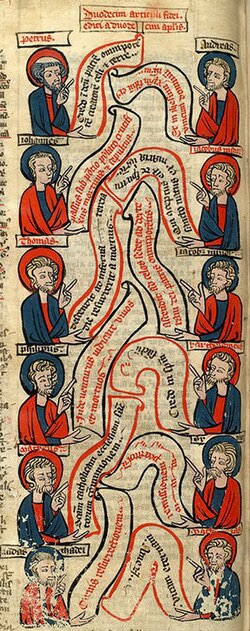
Division of the Apostles

This ancient feast, observed on July 15, commemorates the tradition that after the Ascension the Twelve cast lots to determine which regions of the world each would evangelize, and then scattered from Jerusalem to preach the Gospel to the ends of the earth. Though not a scriptural account per se, it gives liturgical expression to the missionary vocation of the apostolic office and the universal reach of the Church’s witness. An old tradition, attested as early as the fourth century, holds that before their dispersal the Apostles together composed the Apostles’ Creed — each contributing one of its articles — as a common rule of faith to carry with them. The feast reminds us that the Church is not an institution that waits for the world to come to it.

St. Boniface

St. Boniface, missionary to the Germanic peoples, reorganized churches and strengthened Christian communities. He balanced bold action with pastoral care, rooted in prayer and obedience to God. His missionary zeal and dedication to the Church show how God equips His servants to proclaim the Gospel and nurture believers.

Boniface encourages courage, diligence, and trust in God’s guidance. May his life inspire faithful witness, devoted service, and readiness to answer God’s call.

All Saints Classical Lutheran School forms children in this inheritance. Learn more at classicaljonesboro.org
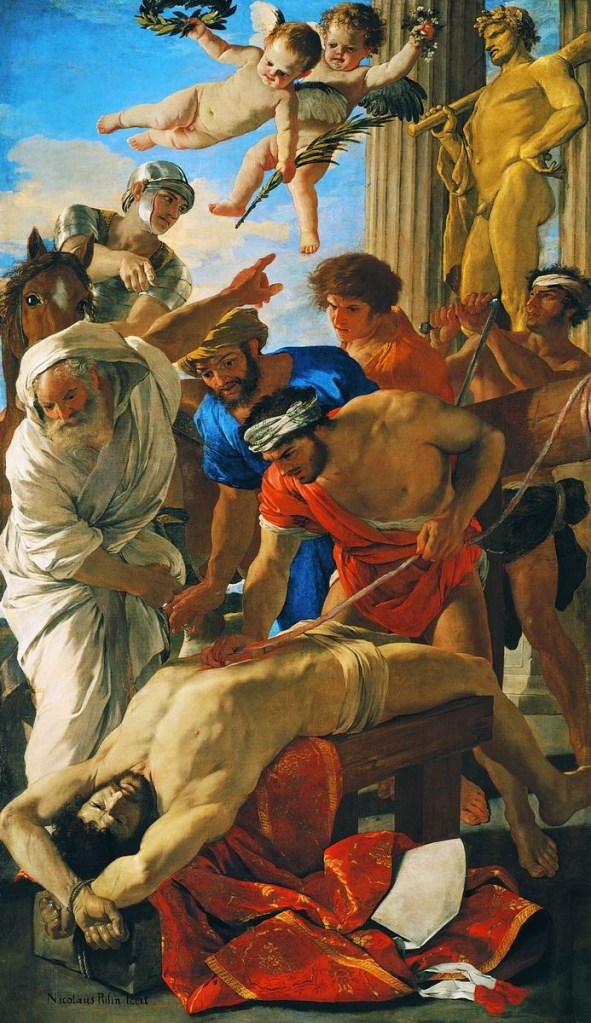
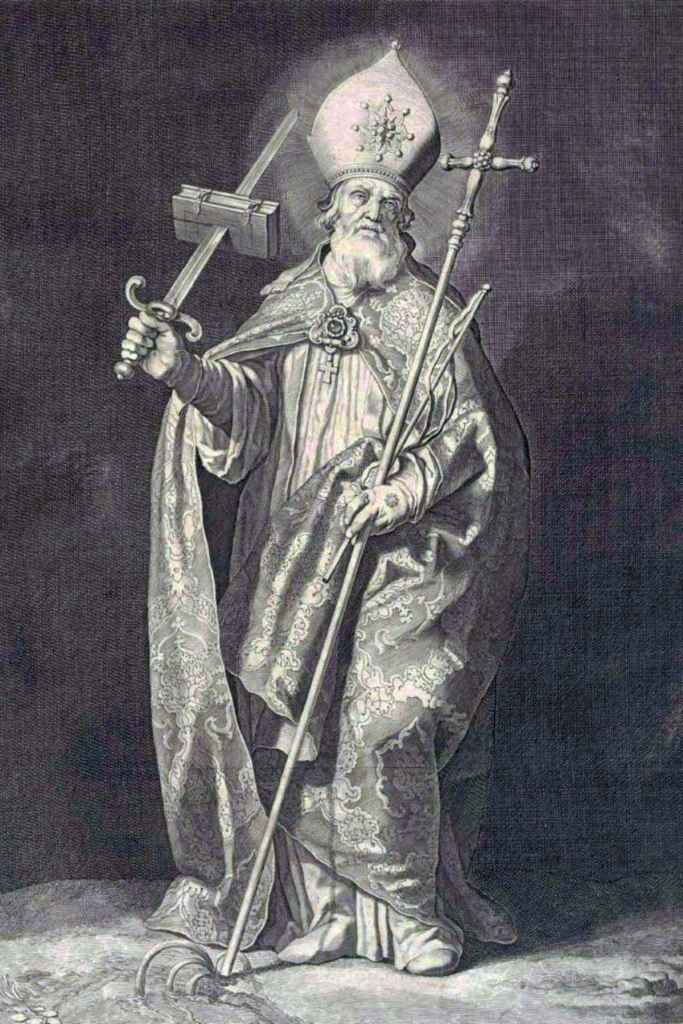
St. Erasmus of Formia (d. c. 303)

St. Erasmus, also called St. Elmo, was a bishop and martyr renowned for his courage and pastoral care. He ministered to Christians during a time of persecution, showing patience, faith, and concern for the spiritual welfare of his people. His life demonstrates the steadfast love and mercy God provides even in trials.

May Erasmus’s example inspire faithful leadership, patience in adversity, and compassion toward those in need, trusting God’s sustaining grace in all circumstances.

All Saints Classical Lutheran School forms children in this inheritance. Learn more at classicaljonesboro.org

Sts. Marcellinus and Peter (d. c. 304)

These Roman martyrs courageously endured suffering for refusing to renounce Christ. Their witness strengthened the early Church and exemplifies the power of steadfast faith under persecution. They remind us that martyrdom and sacrifice can testify to the truth and glory of God.

Marcellinus and Peter inspire perseverance and bold witness. May we honor their courage by remaining faithful to Christ in daily life and offering our lives in service to Him.

All Saints Classical Lutheran School forms children in this inheritance. Learn more at classicaljonesboro.org
St. Vitalis

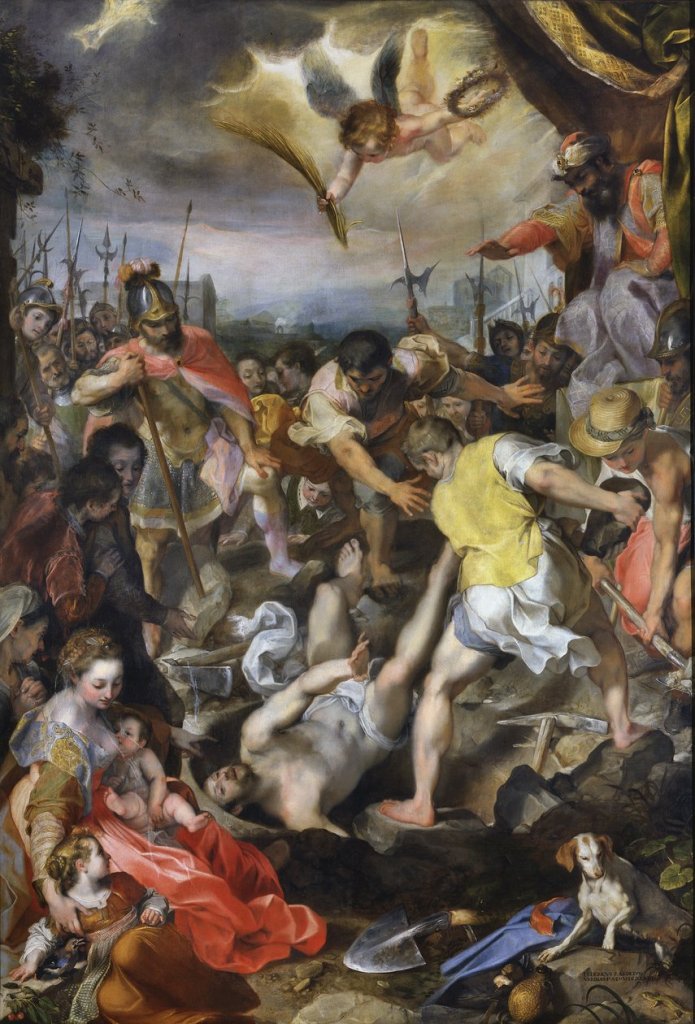
St. Vitalis was an early Christian martyr, traditionally associated with Ravenna, who suffered death for confessing Christ. His steadfastness under persecution strengthened the Church and testified to the hope of resurrection. Though details of his life are limited, his witness reflects the confidence of the righteous who trust God’s final judgment and mercy (Wisdom 5:1–5).

Vitalis’ confession encourages perseverance in faith. As Christ teaches, those who abide in Him remain fruitful even amid trial (John 15:1–7). May his witness strengthen our trust in Christ and our endurance in faithful living.

All Saints Classical Lutheran School forms children in this inheritance. Learn more at classicaljonesboro.org