
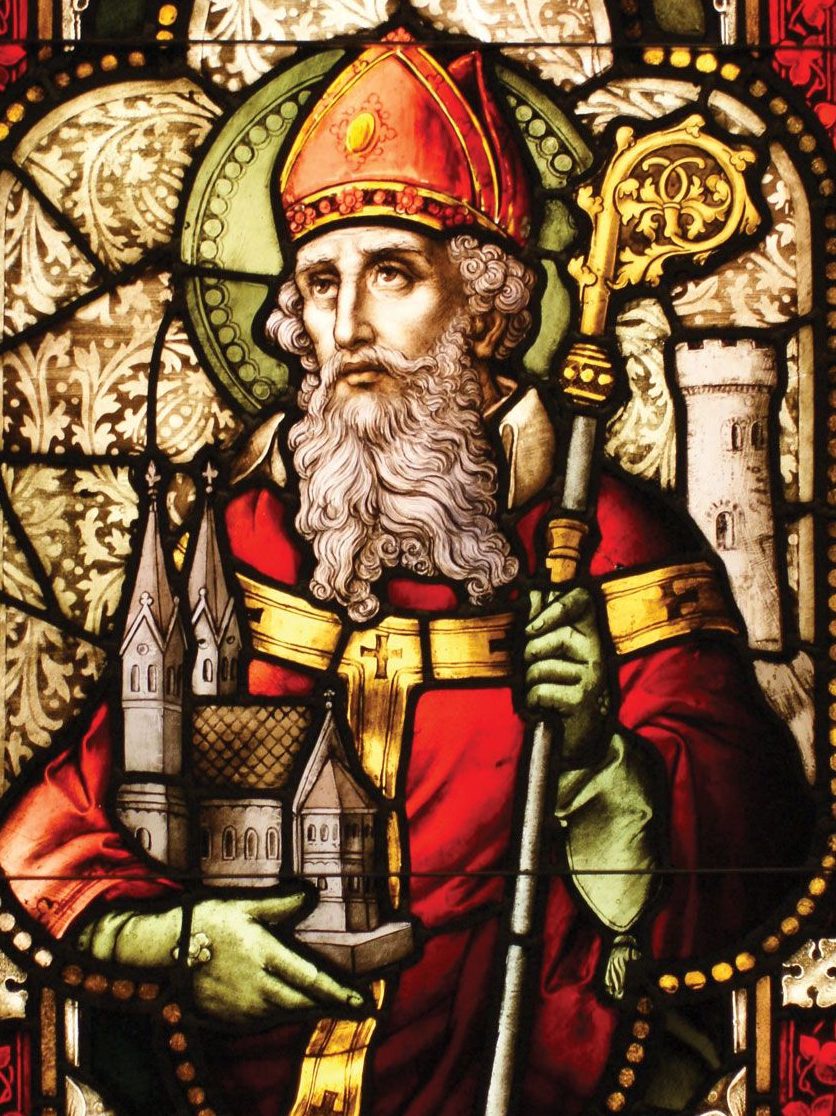
St. Patrick

St. Patrick (c. 385–461) was a missionary and bishop known as the “Apostle of Ireland.” Born in Roman Britain, he was captured by raiders at age sixteen and enslaved in Ireland for six years. During this time, his faith deepened through prayer and solitude. After escaping, he returned home only to receive a vision calling him back to the land of his captivity to proclaim the Gospel. Patrick labored for decades, baptizing thousands, ordaining clergy, establishing monasteries, and confessing the Holy Trinity. His life reflects the power of forgiveness and the apostolic zeal to bring the light of Christ to the ends of the earth.

St. Patrick’s witness reminds us that God often uses our greatest trials to prepare us for His highest calling. As Patrick returned to his captors with the message of peace, we are called to meet hostility with the grace of the Gospel. May we be clothed in the “Breastplate of faith,” trusting in the pervasive presence of Christ—beside us, before us, and within us—as we confess the Triune God to a world in darkness.

Readings: Tobit 13:1, 5–8, 10 / Matthew 28:16–20

Visit the All Saints Parish blog to learn more about the ancient faith and the Church’s life.
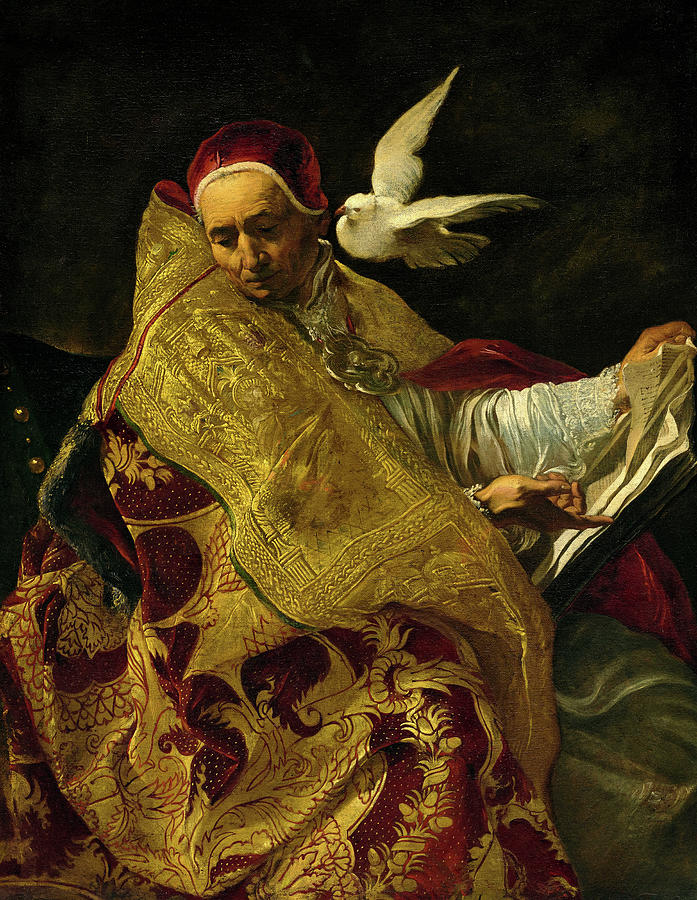
St. Gregory the Great

St. Gregory the Great (c. 540–604) served as Bishop of Rome and was one of the most influential pastors and theologians of the early Church. Known for his humility, pastoral care, and devotion to sacred worship, Gregory strengthened the Church during a time of political instability. His writings and reforms emphasized faithful shepherding, prayer, and vigilance in service. Gregory’s leadership reflects the wisdom praised in Scripture and Christ’s call to faithful stewardship (Matthew 24:42–47).

Gregory’s life encourages watchfulness and faithful service until Christ’s return. May his example strengthen diligence, humility, and devotion in our callings, as we await the Lord who entrusts His household to faithful servants.

Readings: Sirach 47:8–10a, 11a; 24:1–2 / Matthew 24:42–47

Visit the All Saints Parish blog to learn more about the ancient faith and the Church’s life.
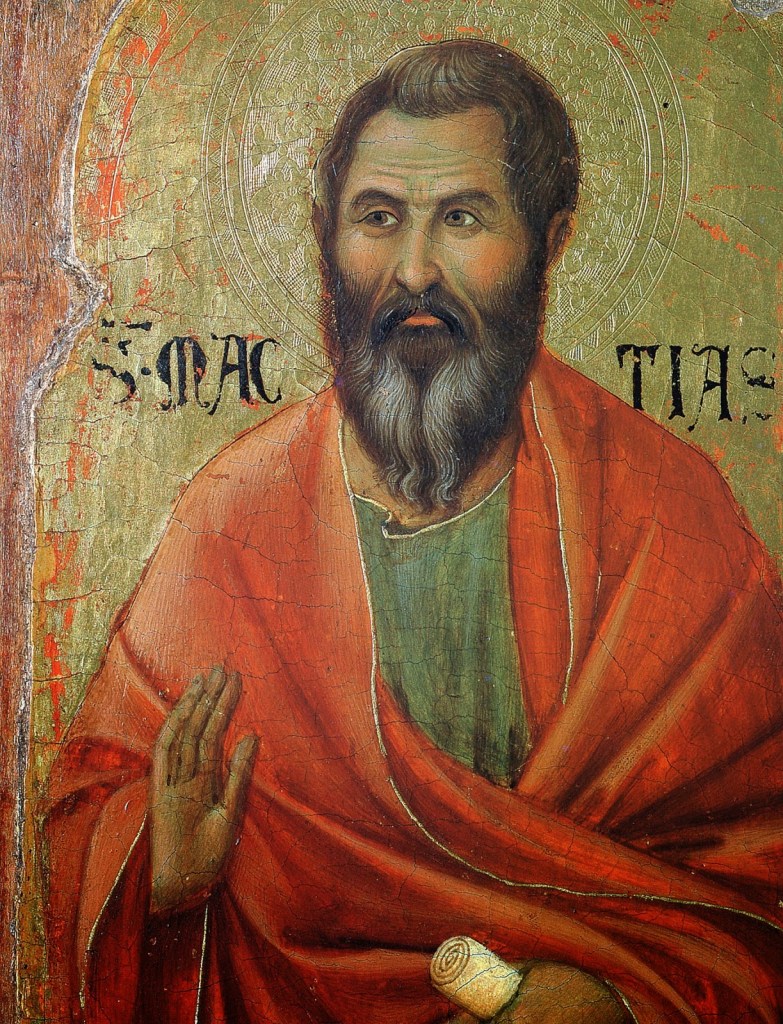
St. Matthias

St. Matthias was chosen by lot to replace Judas among the Twelve Apostles (Acts 1:15–26). Though not originally among the inner circle, Matthias was a faithful witness to Christ’s ministry and resurrection. His calling affirms that God appoints servants according to His wisdom and grace. Tradition holds that Matthias later preached the Gospel and suffered martyrdom. His life reflects Christ’s invitation to find rest in Him, even amid service and sacrifice (Matthew 11:25–30).

Matthias reminds us that God calls His servants according to His purpose, not human ambition. May his example encourage humble trust, faithful service, and confidence that Christ equips those whom He calls.

Readings: 1 Samuel 16:1-13 / Acts 1:15-26 / Matthew 11:25-30

Visit the All Saints Parish blog to learn more about the ancient faith and the Church’s life.
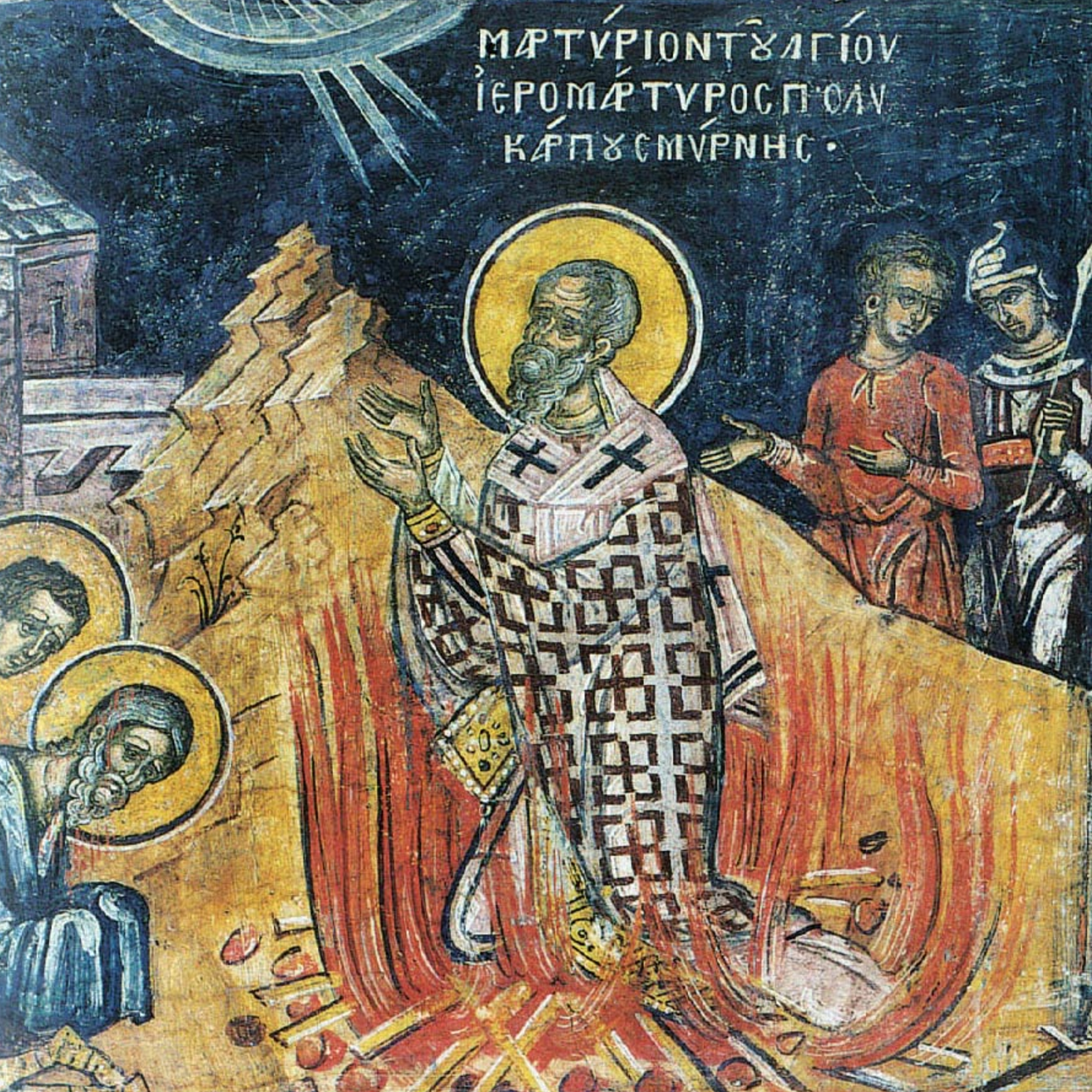
St. Polycarp

St. Polycarp was the Bishop of Smyrna and one of the three chief Apostolic Fathers—those who were taught directly by the Apostles. A student of the Apostle John, Polycarp served as a vital living link between the first generation of believers and the emerging Church of the second century. In AD 155, at the age of 86, Polycarp was captured by Roman authorities. When urged to save his life by cursing Christ, he gave his most famous witness: “Eighty-six years I have served Him, and He has done me no wrong. How can I blaspheme my King and my Savior?” He was sentenced to be burned at the stake, but tradition holds that the flames arched around him like a sail, leaving him unharmed, until he was finally dispatched by a dagger.

Polycarp’s martyrdom serves as an encouragement to all Christians to be bold and faithful confessors of Christ, regardless of how much we are despised by the enemies of the Church.

Readings: Revelation 2:8-11 / Matthew 20:20–28

Visit the All Saints Parish blog to learn more about the ancient faith and the Church’s life.
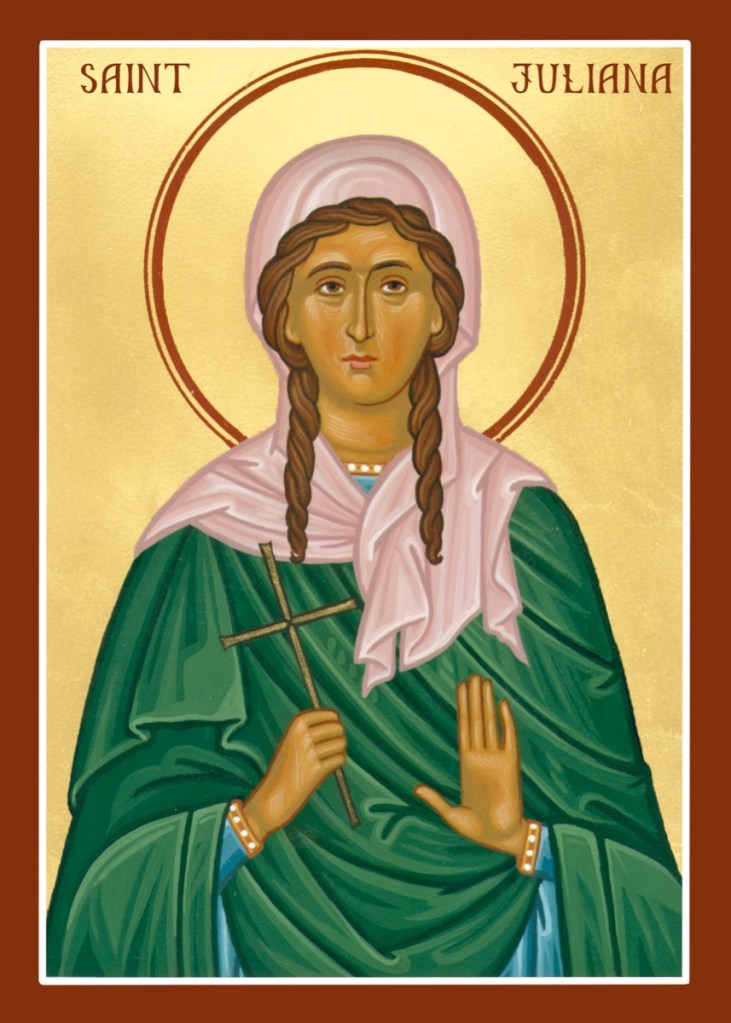
St. Juliana of Nicomedia

St. Juliana of Nicomedia was martyred around AD 305 during the Diocletian persecution. As a young Christian woman, she refused marriage to a pagan official and boldly confessed Christ. Enduring imprisonment and execution, Juliana remained firm in faith, trusting in the wisdom that overcomes darkness (Wisdom 7:30–8:4a). Her witness strengthened the Church and proclaimed the surpassing worth of Christ’s kingdom.

Juliana’s life reflects Christ’s teaching about the treasure worth every sacrifice (Matthew 13:44–52). May her example strengthen courage, clarity of faith, and joyful trust in Christ, who gives wisdom that leads to eternal life.

Readings: Wisdom 7:30b—8:4a / Matthew 13:44–52

Visit the All Saints Parish blog to learn more about the ancient faith and the Church’s life.
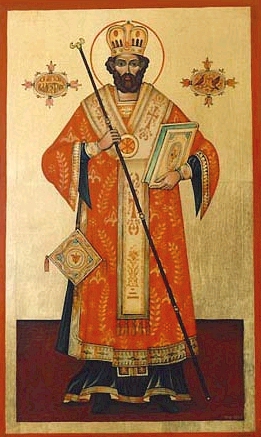
St. Valentine

St. Valentine was a priest and martyr of Rome, traditionally dated to the mid-third century. Though details of his life are limited, early tradition remembers him as a faithful shepherd who ministered to Christians during persecution. His martyrdom bears witness to sacrificial love grounded in wisdom and faith (Proverbs 3:13–20). Valentine’s legacy endures not as sentimental romance, but as a testimony to devotion rooted in Christ.

Christ calls His disciples to take up the cross and follow Him (Luke 9:23–27). Valentine’s witness reminds us that true love is shaped by sacrifice and faithfulness. May his example encourage steadfast devotion, wise trust in God’s ways, and courage to follow Christ in every circumstance.

Readings: Proverbs 3:13–20 / Luke 9:23–27

Visit the All Saints Parish blog to learn more about the ancient faith and the Church’s life.

St. Scholastica

St. Scholastica (c. 480–543), sister of St. Benedict of Nursia, devoted her life to prayer and consecrated service to God. Living near her brother’s monastery, she helped shape the spiritual life of the early Benedictine movement. Tradition remembers her deep devotion, humility, and trust in God’s mercy. Scholastica’s life reflects the wisdom of single-minded devotion praised by St. Paul (1 Corinthians 7:25–34a), as she oriented her life toward prayer and communion with God.

Christ calls His people to readiness and faithful devotion (Matthew 25:1–13). Scholastica’s life encourages attentiveness to God’s Word and perseverance in prayer. May her example strengthen devotion, patience, and joyful trust as we await the fulfillment of Christ’s promises.

Readings: 1 Corinthians 7:25–34a / Matthew 25:1–13

Visit the All Saints Parish blog to learn more about the ancient faith and the Church’s life.
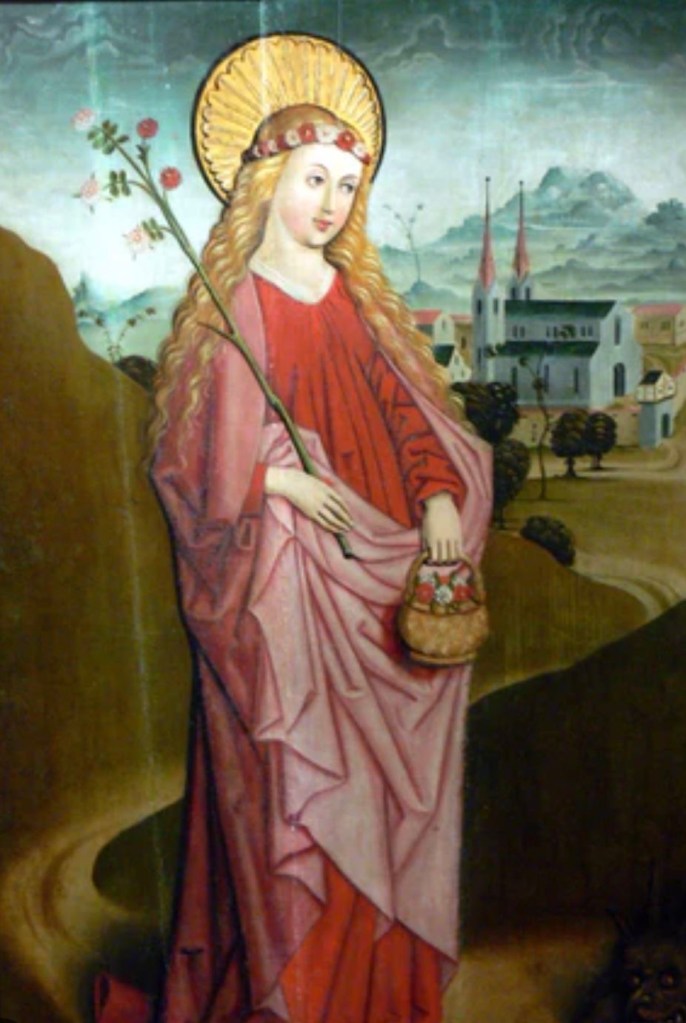
St. Dorothy

St. Dorothy was a virgin martyr of Caesarea in Cappadocia, traditionally dated to the early fourth century. According to ancient accounts, she confessed Christ boldly before Roman authorities and was condemned to death. On her way to execution, she spoke of the heavenly garden promised to believers, bearing witness to the surpassing worth of God’s kingdom. Her testimony reflects Christ’s parable of the hidden treasure, for which all else is gladly surrendered (Matthew 13:44–46).

Dorothy’s confession directs our hearts toward what is eternal. Her witness encourages us to value Christ’s kingdom above all earthly gain. May her example inspire joyful faith, confident hope, and a willingness to entrust all things to the promises of God.

Readings: Sirach 51:1–8 / Matthew 13:44–52

Visit the All Saints Parish blog to learn more about the ancient faith and the Church’s life.
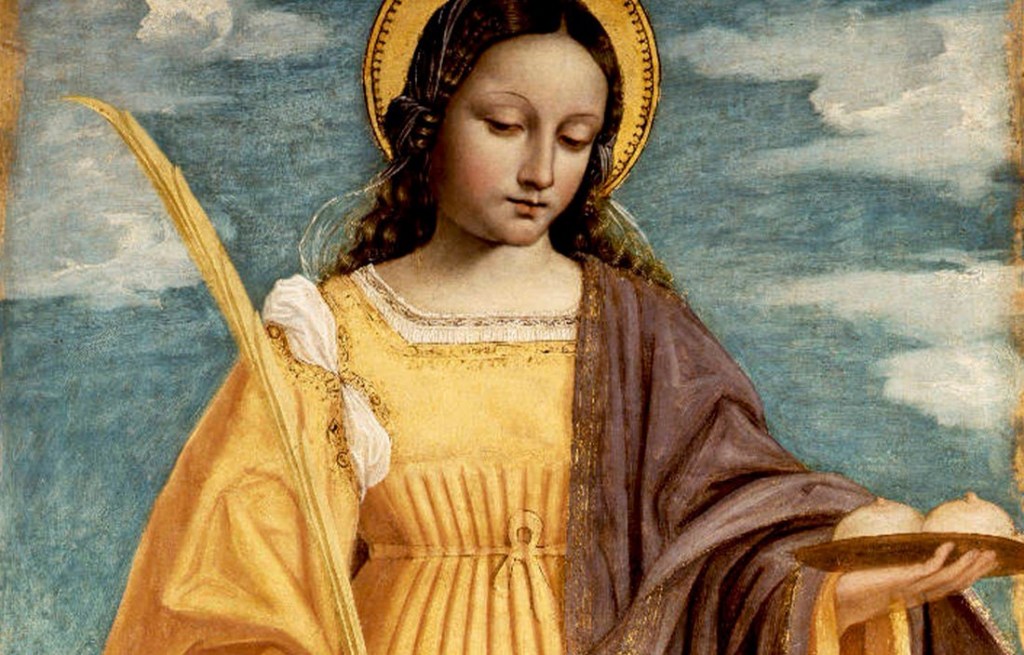
St. Agatha

St. Agatha of Sicily was martyred around AD 251 during the Decian persecution. As a young Christian woman, she refused to renounce Christ or submit to coercion, enduring imprisonment and severe suffering. Her steadfast confession became a powerful testimony to Christ’s sustaining grace amid persecution. Agatha’s courage strengthened the early Church and remains a witness to the hope that God delivers His servants, even through death (Sirach 51:1–8). Her memory endures as an example of purity, faith, and unwavering devotion to Christ.

Christ calls His people to watchfulness and faithfulness, awaiting His coming (Matthew 25:1–13). Agatha’s witness encourages us to remain steadfast, trusting that the Lord preserves His own. May her example strengthen faith, patience, and joyful endurance as we await Christ’s kingdom

Readings: Sirach 51:1–8 / Matthew 25:1–13

Visit the All Saints Parish blog to learn more about the ancient faith and the Church’s life.
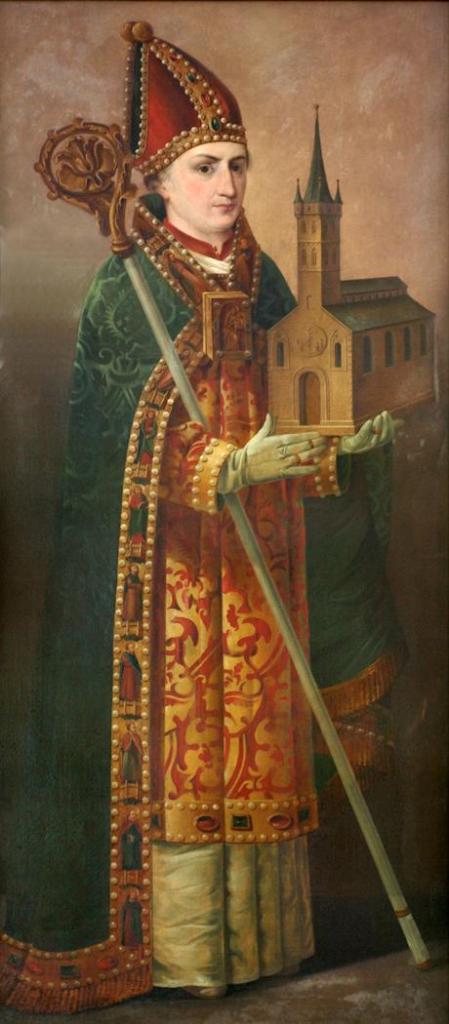
St. Ansgar

St. Ansgar (801–865), known as the “Apostle of the North,” devoted his life to missionary work among the Scandinavian peoples. As a bishop and preacher, he endured hardship, rejection, and political instability while proclaiming the Gospel in Denmark and Sweden. Though his visible success was limited, Ansgar labored faithfully, trusting that God would bring fruit in His time. His perseverance laid foundations for later Christian growth in the region. Ansgar’s life reflects the faithful stewardship praised in Scripture, as he used what was entrusted to him in service to Christ’s kingdom (Matthew 25:14–23).

Ansgar’s life reminds us that faithfulness is measured not by visible results but by trust in God’s calling. As wisdom praises faithful leadership (Sirach 50:1–8), may this day encourage diligence, patience, and confidence that the Lord multiplies even the smallest acts of faithful service.

Readings: Sirach 50:1b-8 / Matthew 25:14-23

Visit the All Saints Parish blog to learn more about the ancient faith and the Church’s life.