Vigil of St. Thomas

The vigil prepares the Church to celebrate St. Thomas, the apostle who initially doubted Christ’s resurrection but later confessed Him with unwavering faith. The vigil invites reflection on preparation, repentance, and openness to God’s revelation in our lives.

Thomas’ vigil reminds us to approach Christ with humility, acknowledging doubts and seeking truth. May his example inspire honest reflection, attentive listening, and readiness to receive God’s grace.

Ember Days in Advent — A Christian Discipline of Prayer, Penitence, and Thanksgiving

Advent is a season of watchful waiting and joyful expectation, as we prepare to celebrate the coming of our Lord Jesus Christ, both in the Incarnation at Bethlehem and in His promised return at the end of all things. Traditionally, the Western Church set aside special periods during the year — called Ember Days — as times of focused prayer, fasting, and reflection, integral to the Church’s rhythm of sanctification and renewal.

At All Saints Parish, we observe Ember Wednesday with evening Divine Service at 6:30 pm and Ember Friday with Latin Matins at 8:15 am. These observances echo an ancient Christian practice while pointing our hearts more fully to Christ in Advent, grounding our souls in repentance, anticipation, and gratitude.

What Are Ember Days?

The name “Ember Days” comes from the Latin quattuor tempora, meaning “four times”: four seasonal sets of Wednesday, Friday, and Saturday appointed in the Christian year. One of these sets occurs in Advent, usually following the third Sunday of Advent (often tied to St. Lucy’s feast) and before Christmas. Traditionally they were observed with prayer and fasting.  

These days were part of a rhythm that tied the Church’s life to the natural seasons and to the spiritual seasons of repentance and thanksgiving — echoing the ancient patterns of Israel’s fasts and feasts.  


The Purpose of Ember Days

Originally the Church appointed Ember days for several interrelated reasons:

1. To Focus the Church on Prayer and Recollection

Ember Days provide intentional moments to pause from worldly busyness and bring our hearts before God. The Wednesday of Ember week was traditionally seen as a day of interior recollection and devotion.  

2. To Turn to God in Repentance and Renewal

Friday has always been a penitential day in Christian practice, recalling Christ’s suffering for our salvation. In Advent Ember observance, such penitential emphasis helps us watch and pray more earnestly as we await Christ’s coming.  

3. To Give Thanks for God’s Gifts and Grace

Saturday in Ember tradition was especially associated with thanksgiving — for the harvest of spiritual fruit and for divine blessings yet to come.  

4. To Pray for the Church, Vocations, and the Kingdom’s Growth

Historically, Ember Days were also days when the Church prayed for holy orders and for those to be ordained, as well as for all Christians in their vocations (including laity). As we anticipate the arrival of Christ, this is the perfect time to pray for faithful pastors, teachers, and bishops, and for the Holy Spirit’s work in our midst.  


Why Observe Ember Days in Advent at All Saints?

Ember Days are a beautiful and focused time which enrich Advent in a way that focuses our hearts and minds clearly on the arrival of the King:

• They Point Us to Christ, Not to Ritual Obligation

Lutherans hold that all rites and traditions must serve the Gospel: they must draw us to Christ and His Word rather than become merits in themselves. Observing Ember Days as times of prayer, fasting, and thanksgiving serves this Gospel by turning us outside ourselves and to the provision of God in Christ.

• They Strengthen Our Life of Prayer and Repentance

Advent is already penitential and expectant: a time for examining our lives before the one who comes to judge the living and the dead. Incorporating additional prayer and self-denial on Ember Wednesday and Ember Friday helps shape Christians into watchful disciples.

• They Connect Us With the Ancient Church’s Spiritual Rhythm

The pattern of quarterly spiritual disciplines has served Christians for centuries across the Western Church. Recognizing this rhythm places us in continuity with the saints who have gone before — saints who confessed the same Christ we preach.


Practical Ways to Observe Ember Days at All Saints

Even beyond our corporate services, here are ways individuals and families might embrace the spirit of Advent Ember Days:

  • Prepare for each day with prayer: Use the daily Office or Psalms to focus your mind on Christ’s incarnation and return.
  • Fasting as a spiritual discipline: Consider abstaining from a meal or favorite food, offering the sacrifice in prayer for spiritual renewal.
  • Confession and reflection: Set aside time for private confession or examination of conscience, returning to the Lord by His mercy.
  • Thanksgiving: Reflect on God’s gifts — especially the gifts of salvation in Christ and the promised life to come — and give thanks.

Conclusion: An Advent of Watchful Hearts

Ember Days in Advent — especially as we gather for Ember Wednesday Divine Service and Ember Friday Matins at All Saints — invite us deeper into Advent’s heart: watching, waiting, praying, and turning wholly to Christ. They remind us that the Christian life is not merely a succession of Sundays, but a journey of repentance, humility, and joyful anticipation before the coming of our King.

May our observance of these days draw us nearer to Christ and strengthen us for faithful life and witness in His holy name. Amen.

St. Lucy (d. c. 304)

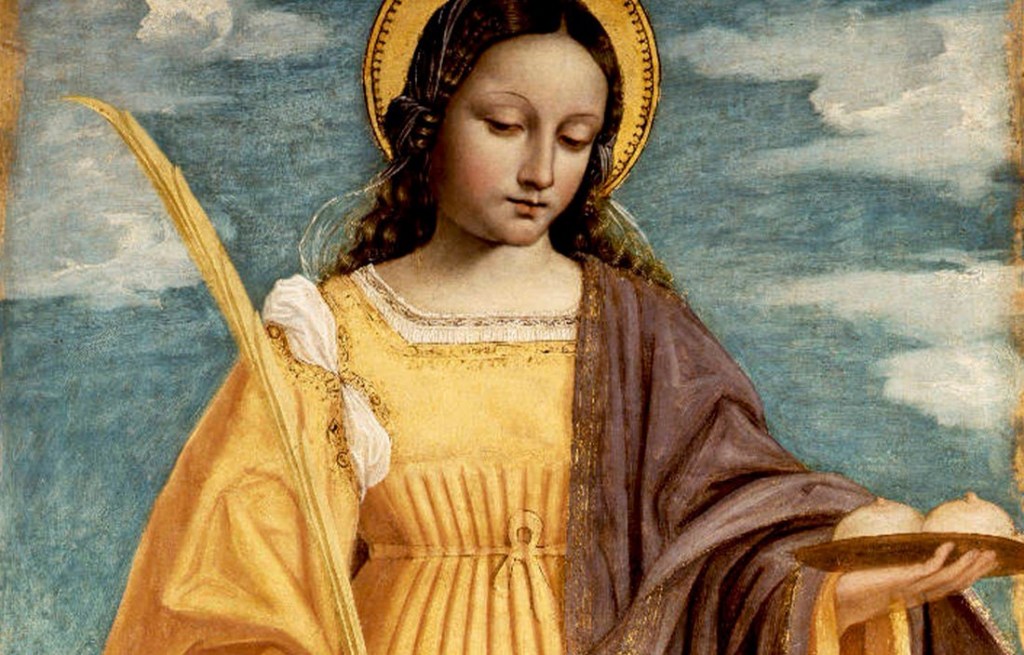
St. Lucy of Syracuse (d. c. 304), a virgin and martyr, is remembered for her steadfast devotion to Christ during the Diocletian persecution. Born into a wealthy family, she secretly gave much of her inheritance to the poor. When pressured into marriage, she refused, desiring to remain dedicated to Christ alone. Her suitor, angered, denounced her as a Christian. According to early tradition, attempts to move or harm her failed until she was finally executed by the sword. Later accounts describe her eyes being torn out—either by persecutors or offered by Lucy herself—yet God restored her sight. This imagery made her a symbol of spiritual clarity and steadfast faith, pointing Christians to the light of Christ that no earthly suffering can quench.

Lucy’s witness teaches us that true sight comes from Christ, who enlightens hearts even amid suffering. Her courage and generosity encourage steadfast faith and a life oriented toward God rather than worldly pressures. May her example inspire us to trust Christ in trials, serve others with compassion, and seek the clarity that comes from His Word and His gracious promises, so that we follow Him with steadfast hearts and joyful devotion.

Octave of St. Andrew

The octave of St. Andrew extends the celebration of the apostle’s life, evangelism, and martyrdom. It reminds the faithful of his courage, humility, and commitment to Christ’s mission. Reflecting on Andrew’s example encourages both personal devotion and active participation in the Church’s ongoing witness.

The octave invites reflection on faithful discipleship. May St. Andrew’s example inspire readiness to serve, zeal for sharing the Gospel, and humble obedience in all areas of life.

St. Nicholas (c. 270–343)

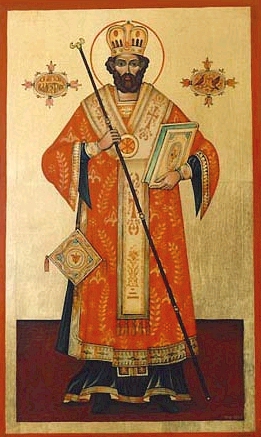
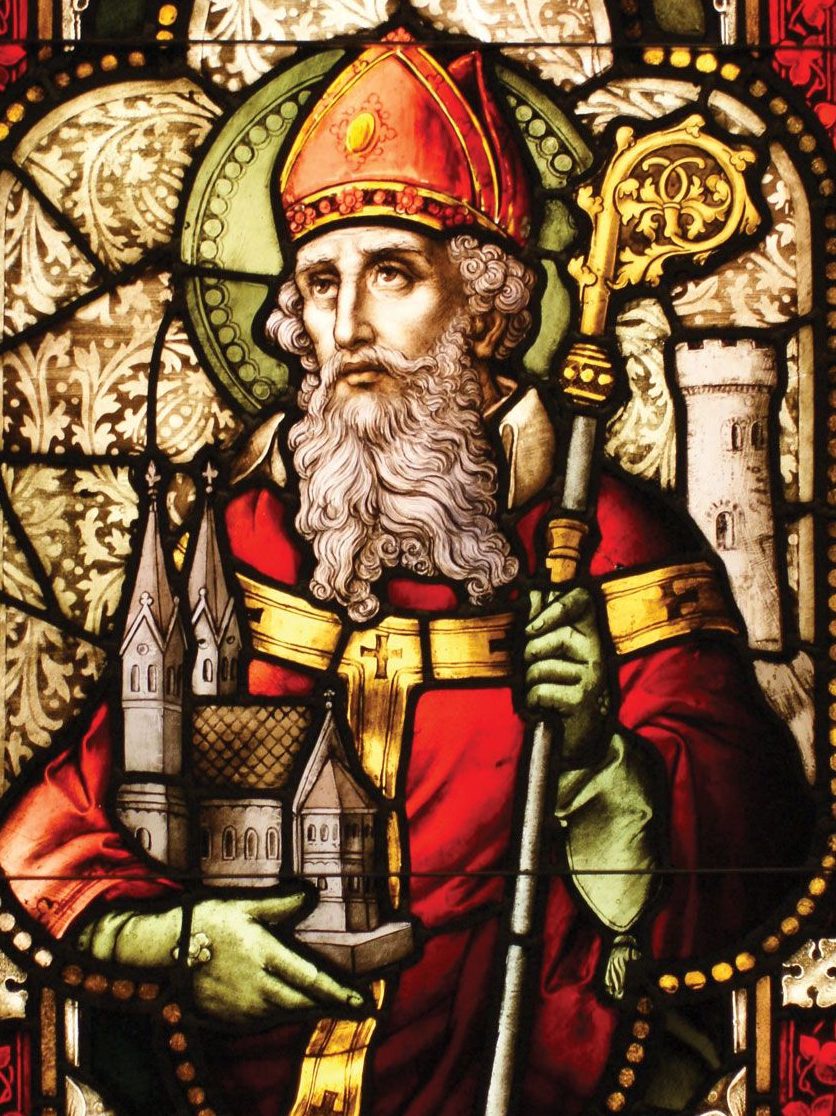
St. Nicholas, bishop of Myra, was renowned for generosity, charity, and care for the poor. He defended orthodoxy and showed pastoral concern for his flock, balancing wisdom with kindness. Nicholas’ life exemplifies Christlike love expressed through tangible acts of mercy, courage, and guidance, leaving a lasting legacy of compassion and faithful leadership.

Nicholas encourages generosity, care for the vulnerable, and courageous advocacy for God’s truth. May his example inspire compassionate action, joyful giving, and steadfast faith in daily life.

St. Barbara (d. c. 306)

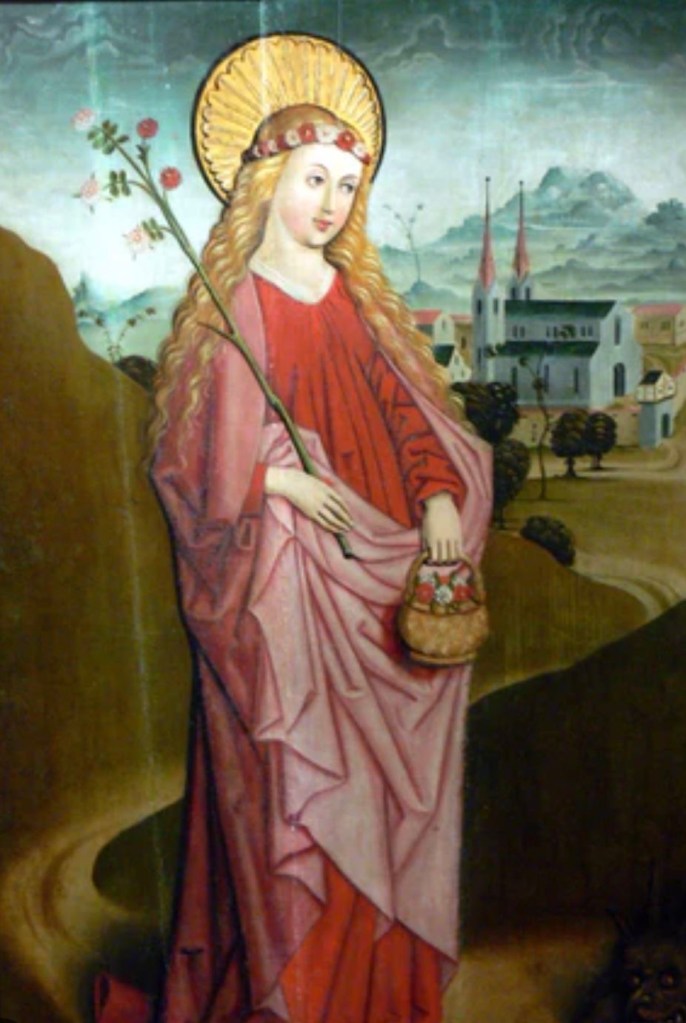
St. Barbara, a virgin and martyr, was known for her steadfast faith despite opposition from her pagan father. Tradition recounts that she was executed for confessing Christ, yet her courage inspired many. Barbara’s life demonstrates the power of faith to withstand threats, the importance of confession, and the call to live wholly for God even in the face of death.

Barbara teaches courage and fidelity in faith. May her witness inspire steadfastness in trials, trust in God’s care, and the willingness to proclaim Christ boldly, even when the cost is great.

St. Andrew, Apostle

St. Andrew, brother of St. Peter and one of the first disciples, preached Christ across Scythia and Greece, ultimately martyred for his faith. His dedication, evangelistic courage, and humility in serving others exemplify faithful discipleship. Andrew’s witness strengthened the early Church and continues to inspire believers to follow Christ boldly and selflessly.

Andrew encourages discipleship marked by courage, humility, and dedication. May his life inspire evangelistic zeal, steadfast faith, and joy in serving Christ, trusting His guidance in all circumstances.

Vigil of St. Andrew

The vigil anticipates St. Andrew, apostle and missionary, who brought others to Christ and witnessed faithfully despite persecution. His life exemplifies evangelistic zeal, humility, and willingness to suffer for the Gospel. The vigil invites reflection on preparation, prayer, and readiness to live faithfully as disciples.

Andrew’s vigil encourages preparation for faithful witness. May his example inspire readiness, humility, and zeal for sharing the Gospel, fostering devotion in daily life and commitment to Christ’s mission.

St. Catherine of Alexandria (d. c. 305)

St. Catherine, a learned princess and martyr, boldly defended the Christian faith before the emperor and converted many through reasoned argument. She endured torture and death rather than renounce Christ, demonstrating courage, wisdom, and fidelity. Catherine’s life illustrates the harmony of intellect, faith, and moral courage in the service of Christ and His Church.

Catherine reminds us that faith and reason work together in witnessing Christ. May her example inspire courage, intellectual engagement with God’s truth, and unwavering commitment to Christ in the face of challenges.

St. Chrysogonus (d. c. 304)

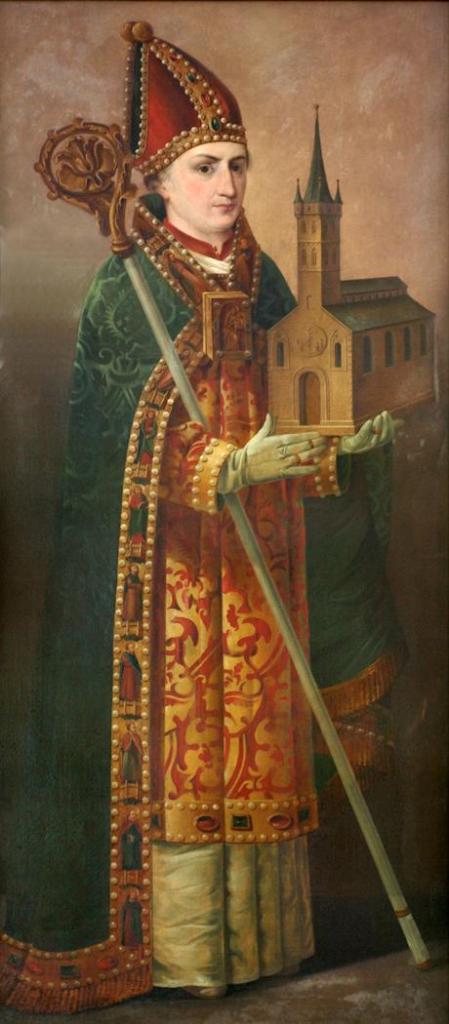
St. Chrysogonus, a Roman martyr, suffered for confessing Christ under Diocletian. Tradition portrays him as courageous, faithful, and unwavering in the face of death. His example strengthened the early Church and inspired fellow believers to remain steadfast. Chrysogonus’ life demonstrates the enduring power of faith and the importance of courage and integrity in confessing Christ publicly.

Chrysogonus encourages courage in confession and trust in God’s sovereignty. May his life inspire steadfastness, boldness in faith, and a willingness to bear trials with patience and confidence in God’s promises.