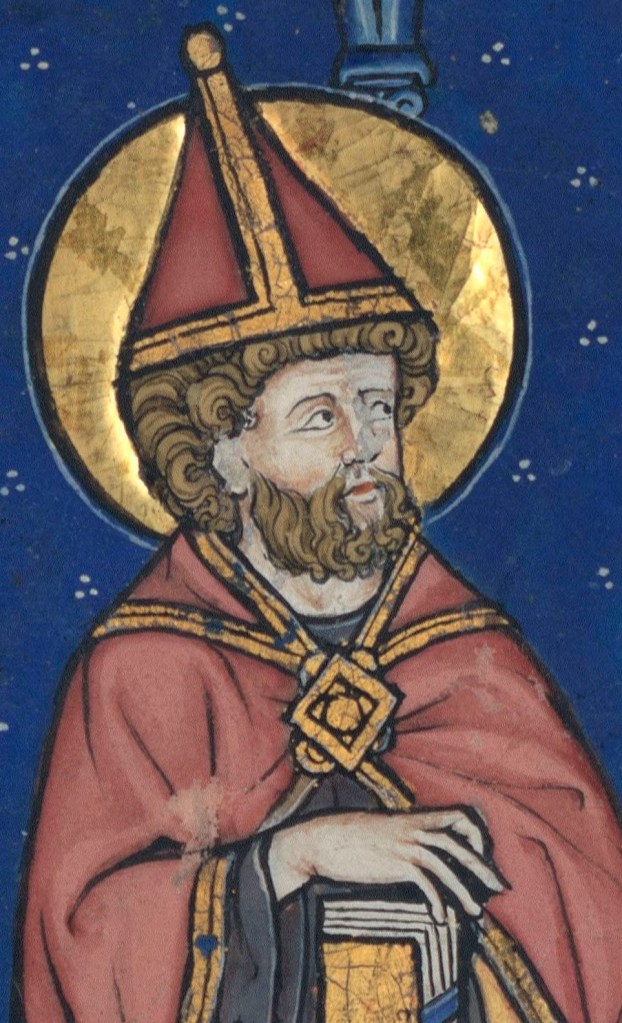
St. Sylvester I, Bishop of Rome

St. Sylvester I served as bishop of Rome during the reign of Emperor Constantine, a period when Christianity moved from persecution to legal recognition. Though later legend embellished his role, Sylvester’s historical significance lies in shepherding the Church during a time of rapid change and growth. He presided peacefully as the Church emerged into public life and as the great Christological controversies of the fourth century began to take shape. Sylvester died in 335, remembered as a faithful pastor who guided the Church through a pivotal moment in its history.

Sylvester’s life reminds us that the Church remains Christ’s possession in every age—whether persecuted or at peace. May his example encourage steady pastoral care, humility in leadership, and trust in God’s providence as the Church bears witness to Christ amid changing times (Matthew 28:20).
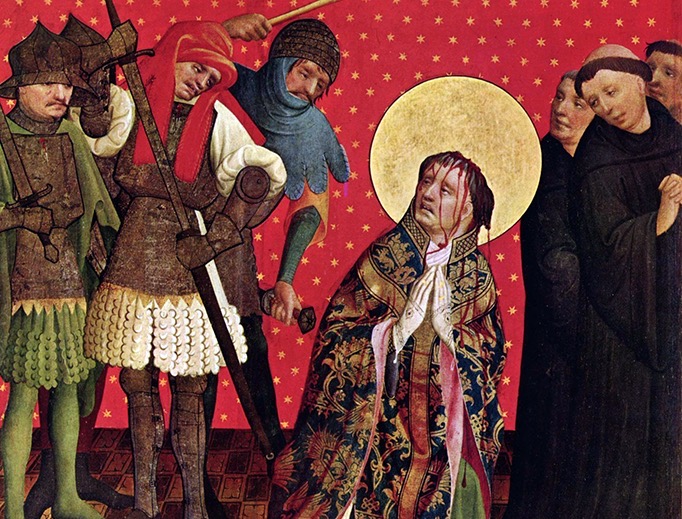
St. Thomas of Canterbury (Thomas Becket) (d. 1170)

St. Thomas Becket (1119–1170), Archbishop of Canterbury, was martyred while defending the Church’s freedom to proclaim God’s law and Gospel. Once a close ally of King Henry II, Thomas resisted royal interference in ecclesiastical matters after becoming archbishop. His steadfast refusal to compromise the Church’s spiritual authority led to escalating conflict. On December 29, 1170, four knights murdered him in Canterbury Cathedral while he prepared for Vespers. His death shocked Christendom and became a powerful witness to the cost of faithful pastoral leadership and obedience to God over worldly power.

Thomas reminds us that faithfulness to Christ may bring opposition. His courage calls us to fear God rather than men (Acts 5:29). May his witness strengthen pastors and laity alike to uphold truth with humility and resolve, trusting that Christ remains Lord of His Church even amid suffering and conflict.

The Holy Innocents

The Holy Innocents are the children of Bethlehem who were killed by order of King Herod in his attempt to destroy the newborn Christ (Matthew 2:16–18). Though they did not consciously confess Christ, the Church has long recognized them as martyrs, for they died in place of Him. Their deaths fulfilled the words of the prophet Jeremiah, lamenting the sorrow of Rachel weeping for her children (Jeremiah 31:15). The Holy Innocents bear witness to the reality of evil in a fallen world and to God’s mysterious working of salvation, even through suffering and loss.

The Holy Innocents remind us that Christ entered a world marked by violence and grief in order to redeem it. Their witness calls us to trust God’s mercy when suffering seems senseless and to place our hope in His promise that death does not have the final word. May this day strengthen our confidence that the Lord who took flesh for us also gathers the least and the vulnerable into His eternal care (Matthew 18:14).