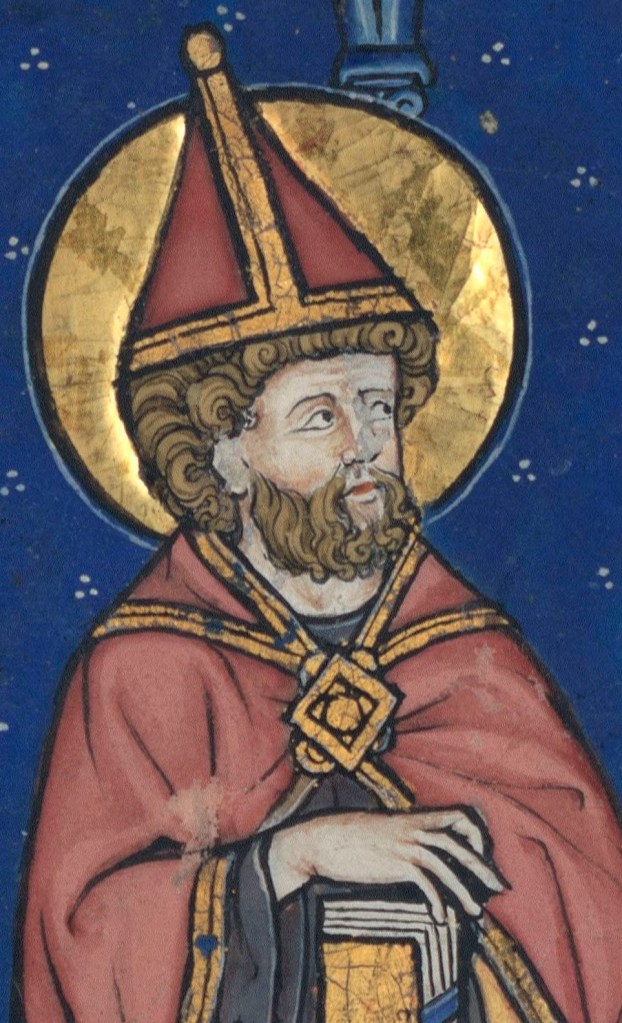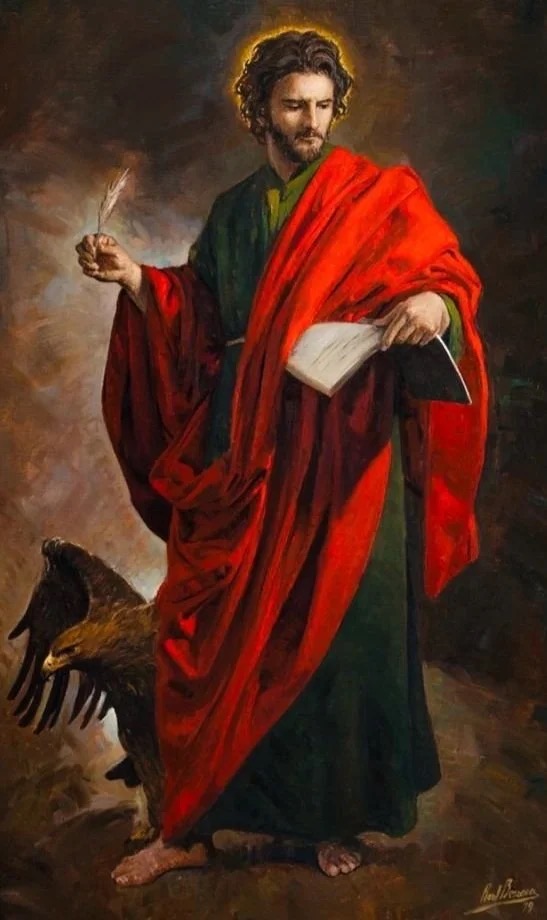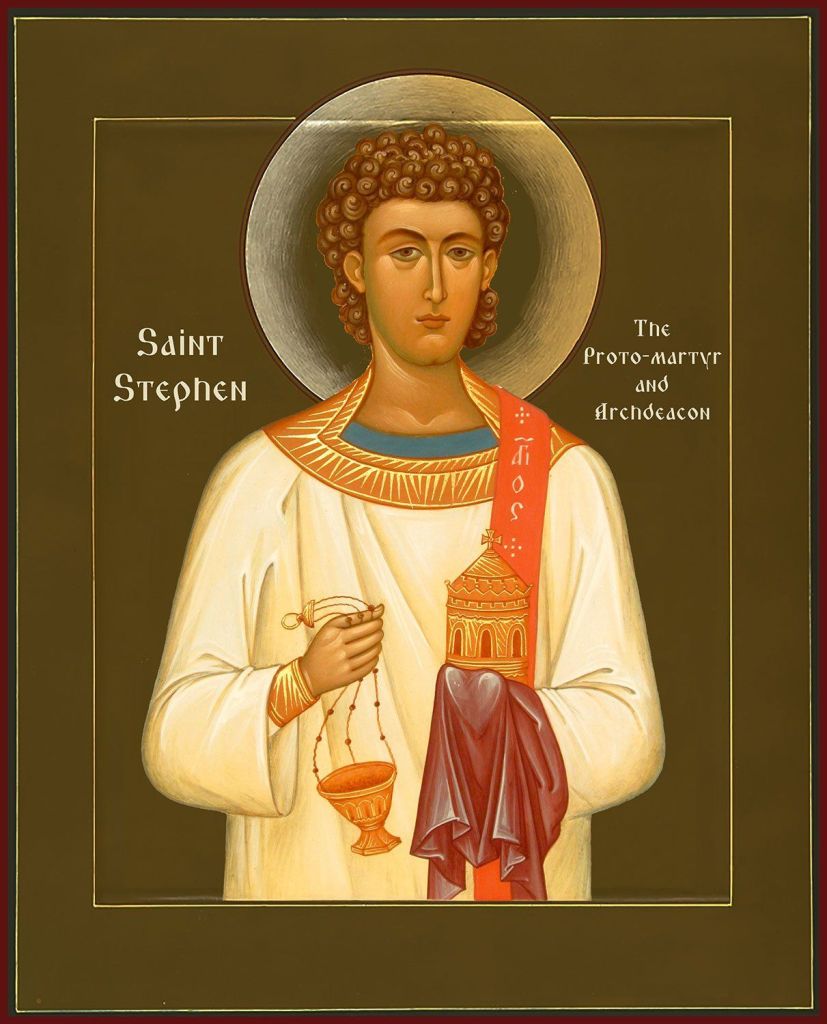

There once lived, in the twilight of Rome’s grandeur, a humble priest named Valentine. He walked those ancient streets under the watchful eyes of statues and emperors, but his heart beat for a Kingdom not of this world. The age was that of Emperor Claudius II, who saw fit to forbid Christian marriages—believing that soldiers, untethered by wife or child, would better serve his legions.
Yet for all that Rome considered wise in war and statecraft, Valentine recognized a higher wisdom. In the words of Tertullian, one of the early Fathers, “What has the Emperor to do with the Christian, save to learn that Christ’s kingdom is not of this world?” Still, Claudius decreed the banning of Christian unions. The priest Valentine dared to minister in secret, solemnizing the vows between Christian men and women who would not be robbed of the sacred blessing of marriage.
“For this reason a man shall leave his father and mother and be joined to his wife, and the two shall become one flesh” (Ephesians 5:31).
These forbidden weddings, carried out by candlelight in hidden chambers, were Valentine’s gentle rebellion. He believed that, in God’s design, love—especially the love that binds husband and wife—carries within it an echo of the divine. Even in the gloom of persecution, he offered hope, for “love bears all things, believes all things, hopes all things, endures all things” (1 Corinthians 13:7).
It was not long before the Roman officials turned their dark attention upon him. Love, when nurtured in the face of cruelty, tends to shine all the brighter, and such a light cannot easily hide itself. Arrested and imprisoned, Valentine found himself behind cold, unyielding bars. Roman records say that he healed a jailer’s daughter who had lost her sight. She came to see not only with physical eyes but, as the legend goes, gained the spiritual sight to embrace Christ.
Some traditions whisper that he signed a final note to her with the words “From your Valentine.” Perhaps that detail has grown with time, but it illustrates well the warmth of this man’s heart—compassion that would bloom into legend. In the spirit of St. Augustine, who wrote that “love is the beauty of the soul,” Valentine’s every action seemed a testament to that singular virtue.
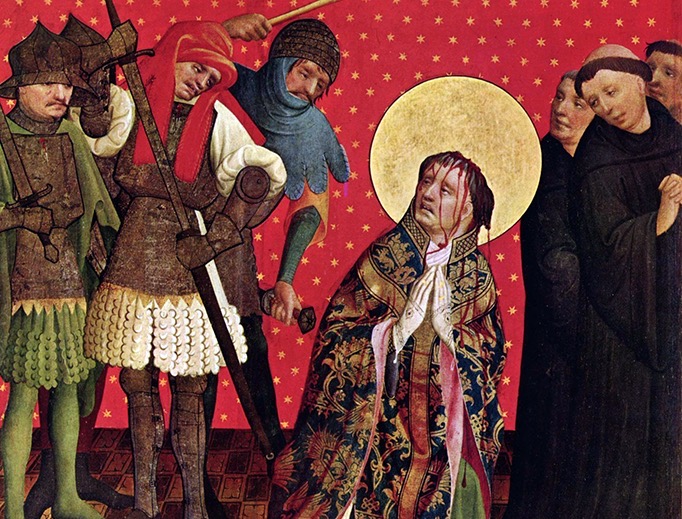
Alas, the hand of Rome was relentless. Valentine, who would not betray his Lord or his calling, was subjected to beating, torture, and, ultimately, the sentence of death. On the 14th of February—around the year 269 AD—he was beheaded. It was a grisly end in human terms but, in Christian conviction, it was the very gateway into eternal life.
Indeed, if we reflect upon his final hours, we might recall the counsel of another Church Father, Ignatius of Antioch, who wrote, “It is better for me to die in Christ Jesus than to be king over the ends of the earth.” Valentine’s sacrifice, crowned in martyrdom, proved that no earthly power could rob him of his divine inheritance.
(Adapted from Saint Valentine, by the folks at Ecclesiastical Sewing | ecclesiasticalsewing.com)