St. Juliana of Nicomedia

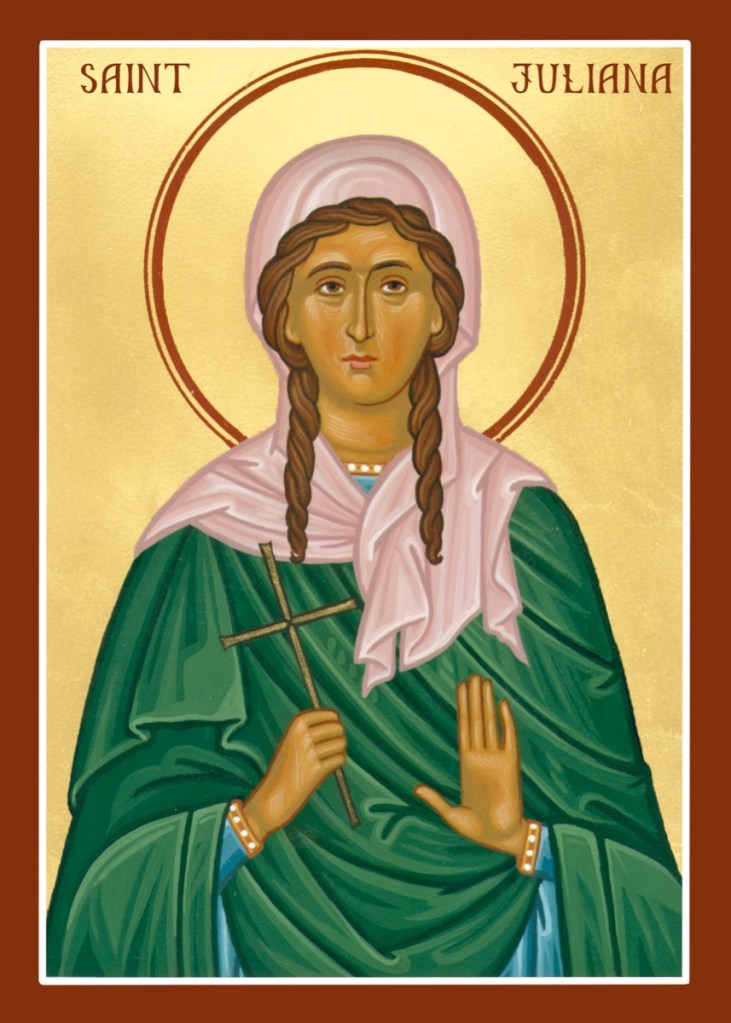
St. Juliana of Nicomedia was martyred around AD 305 during the Diocletian persecution. As a young Christian woman, she refused marriage to a pagan official and boldly confessed Christ. Enduring imprisonment and execution, Juliana remained firm in faith, trusting in the wisdom that overcomes darkness (Wisdom 7:30–8:4a). Her witness strengthened the Church and proclaimed the surpassing worth of Christ’s kingdom.

Juliana’s life reflects Christ’s teaching about the treasure worth every sacrifice (Matthew 13:44–52). May her example strengthen courage, clarity of faith, and joyful trust in Christ, who gives wisdom that leads to eternal life.

Readings: Wisdom 7:30b—8:4a / Matthew 13:44–52

Visit the All Saints Parish blog to learn more about the ancient faith and the Church’s life.
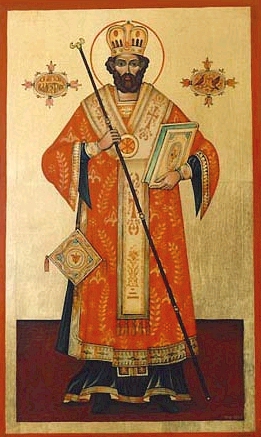
St. Valentine

St. Valentine was a priest and martyr of Rome, traditionally dated to the mid-third century. Though details of his life are limited, early tradition remembers him as a faithful shepherd who ministered to Christians during persecution. His martyrdom bears witness to sacrificial love grounded in wisdom and faith (Proverbs 3:13–20). Valentine’s legacy endures not as sentimental romance, but as a testimony to devotion rooted in Christ.

Christ calls His disciples to take up the cross and follow Him (Luke 9:23–27). Valentine’s witness reminds us that true love is shaped by sacrifice and faithfulness. May his example encourage steadfast devotion, wise trust in God’s ways, and courage to follow Christ in every circumstance.

Readings: Proverbs 3:13–20 / Luke 9:23–27

Visit the All Saints Parish blog to learn more about the ancient faith and the Church’s life.

St. Scholastica

St. Scholastica (c. 480–543), sister of St. Benedict of Nursia, devoted her life to prayer and consecrated service to God. Living near her brother’s monastery, she helped shape the spiritual life of the early Benedictine movement. Tradition remembers her deep devotion, humility, and trust in God’s mercy. Scholastica’s life reflects the wisdom of single-minded devotion praised by St. Paul (1 Corinthians 7:25–34a), as she oriented her life toward prayer and communion with God.

Christ calls His people to readiness and faithful devotion (Matthew 25:1–13). Scholastica’s life encourages attentiveness to God’s Word and perseverance in prayer. May her example strengthen devotion, patience, and joyful trust as we await the fulfillment of Christ’s promises.

Readings: 1 Corinthians 7:25–34a / Matthew 25:1–13

Visit the All Saints Parish blog to learn more about the ancient faith and the Church’s life.

St. Dorothy

St. Dorothy was a virgin martyr of Caesarea in Cappadocia, traditionally dated to the early fourth century. According to ancient accounts, she confessed Christ boldly before Roman authorities and was condemned to death. On her way to execution, she spoke of the heavenly garden promised to believers, bearing witness to the surpassing worth of God’s kingdom. Her testimony reflects Christ’s parable of the hidden treasure, for which all else is gladly surrendered (Matthew 13:44–46).

Dorothy’s confession directs our hearts toward what is eternal. Her witness encourages us to value Christ’s kingdom above all earthly gain. May her example inspire joyful faith, confident hope, and a willingness to entrust all things to the promises of God.

Readings: Sirach 51:1–8 / Matthew 13:44–52

Visit the All Saints Parish blog to learn more about the ancient faith and the Church’s life.

St. Agatha

St. Agatha of Sicily was martyred around AD 251 during the Decian persecution. As a young Christian woman, she refused to renounce Christ or submit to coercion, enduring imprisonment and severe suffering. Her steadfast confession became a powerful testimony to Christ’s sustaining grace amid persecution. Agatha’s courage strengthened the early Church and remains a witness to the hope that God delivers His servants, even through death (Sirach 51:1–8). Her memory endures as an example of purity, faith, and unwavering devotion to Christ.

Christ calls His people to watchfulness and faithfulness, awaiting His coming (Matthew 25:1–13). Agatha’s witness encourages us to remain steadfast, trusting that the Lord preserves His own. May her example strengthen faith, patience, and joyful endurance as we await Christ’s kingdom

Readings: Sirach 51:1–8 / Matthew 25:1–13

Visit the All Saints Parish blog to learn more about the ancient faith and the Church’s life.
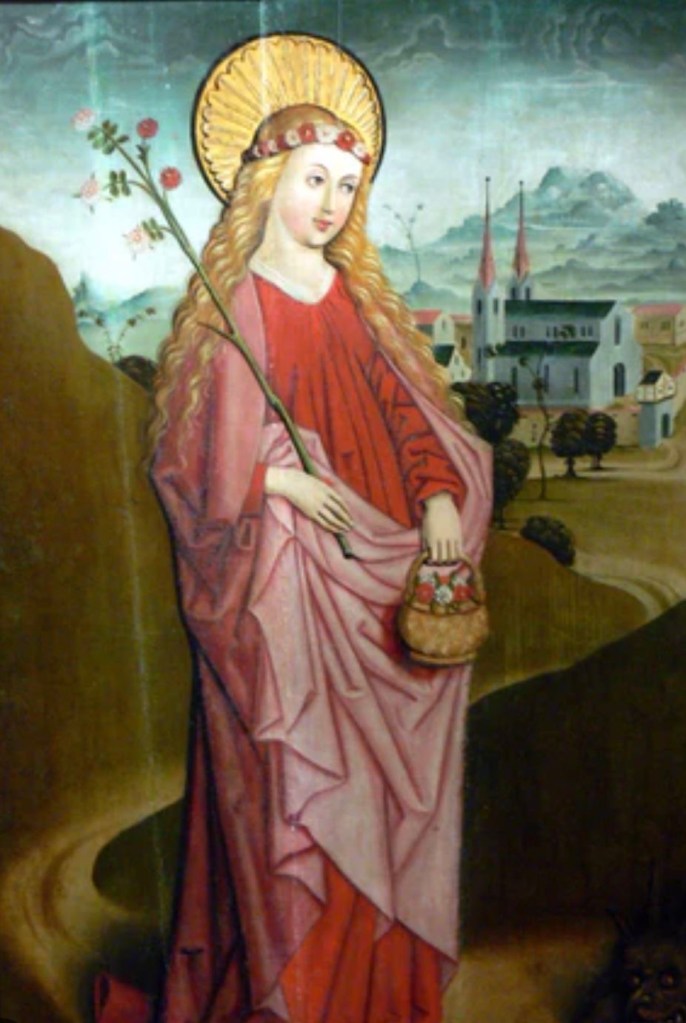
St. Ansgar

St. Ansgar (801–865), known as the “Apostle of the North,” devoted his life to missionary work among the Scandinavian peoples. As a bishop and preacher, he endured hardship, rejection, and political instability while proclaiming the Gospel in Denmark and Sweden. Though his visible success was limited, Ansgar labored faithfully, trusting that God would bring fruit in His time. His perseverance laid foundations for later Christian growth in the region. Ansgar’s life reflects the faithful stewardship praised in Scripture, as he used what was entrusted to him in service to Christ’s kingdom (Matthew 25:14–23).

Ansgar’s life reminds us that faithfulness is measured not by visible results but by trust in God’s calling. As wisdom praises faithful leadership (Sirach 50:1–8), may this day encourage diligence, patience, and confidence that the Lord multiplies even the smallest acts of faithful service.

Readings: Sirach 50:1b-8 / Matthew 25:14-23

Visit the All Saints Parish blog to learn more about the ancient faith and the Church’s life.
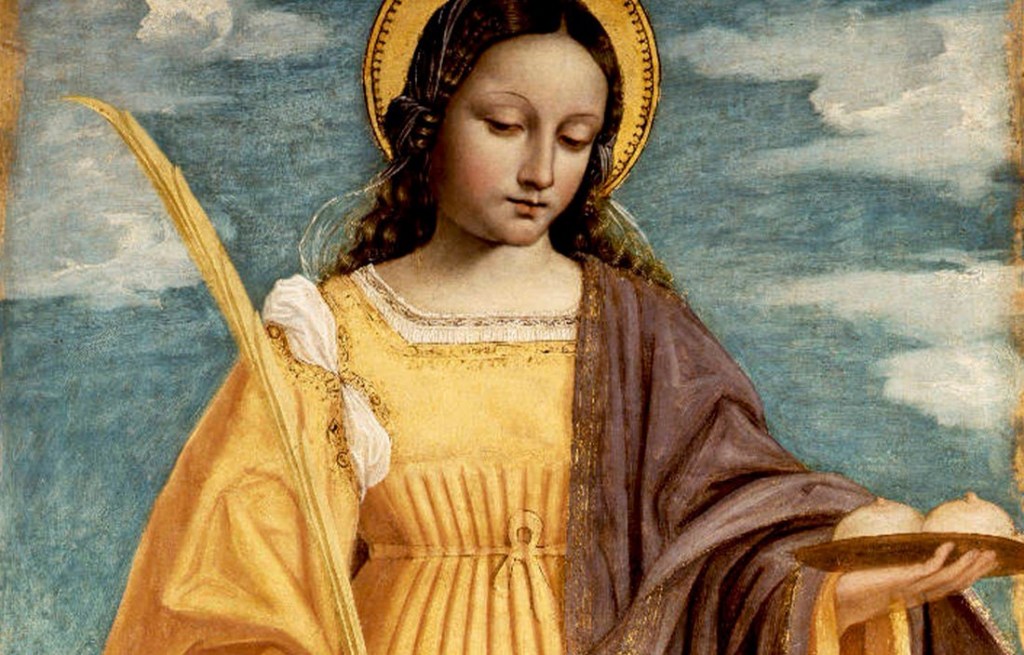
Candlemas (The Purification of the Blessed Virgin Mary)

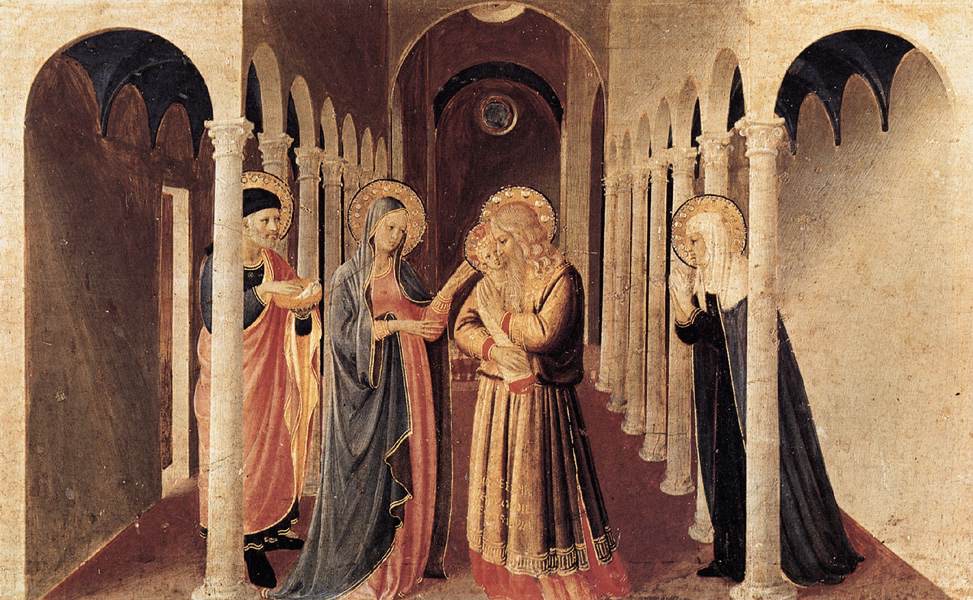
The Purification commemorates Mary and Joseph bringing the infant Jesus to the Temple in obedience to the Law (Luke 2:22–24). In this act, Christ is presented to the Lord, not to be redeemed, but as the true Firstborn who comes to fulfill the Law on behalf of His people. Simeon’s song reveals Jesus as the light for revelation to the Gentiles and the glory of Israel (Luke 2:32). This feast highlights Christ’s humility and obedience, as well as Mary’s faithful submission to God’s Word. The Church rejoices that the promised Lord has come to His Temple, just as Malachi foretold (Malachi 3:1).

Simeon’s confession teaches us to see salvation not in power or splendor, but in the Christ who comes in humility. As the Lord enters His Temple, He also comes to us bearing mercy and peace. May this feast strengthen trust in Christ’s promises and fill us with joy to depart in peace, knowing our eyes have seen His salvation.

Readings: Malachi 3:1-4 / Luke 2:22-32

Visit the All Saints Parish blog to learn more about the ancient faith and the Church’s life.
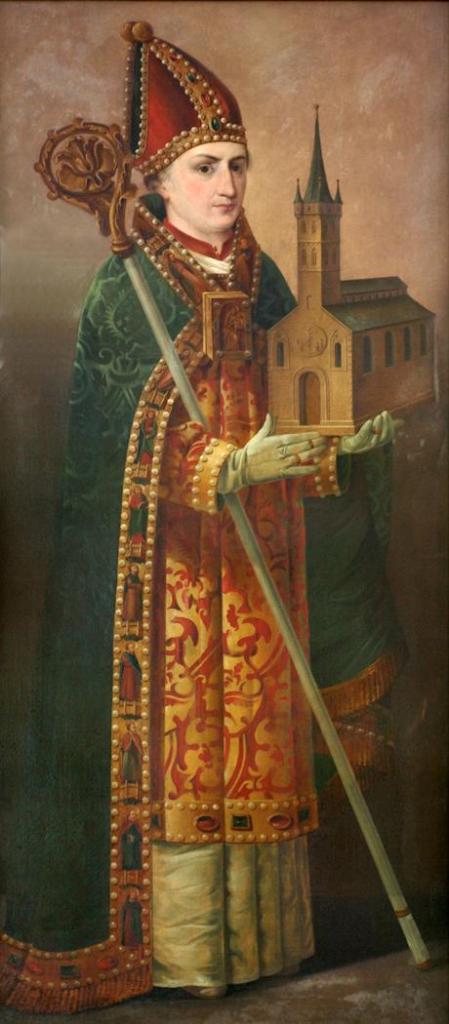
Conversion of St. Paul

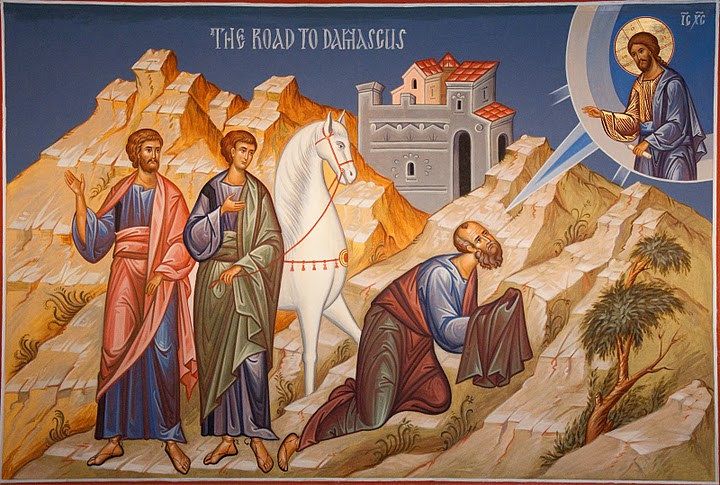
The Conversion of St. Paul commemorates Christ’s dramatic calling of Saul of Tarsus on the road to Damascus (Acts 9:1–22). Once a persecutor of the Church, Paul was transformed by the risen Christ and appointed as an apostle to the Gentiles. His ministry shaped the early Church through preaching, suffering, and faithful instruction. Paul endured imprisonment, hardship, and eventual martyrdom, likely around AD 64–67. His conversion testifies to God’s sovereign grace and the power of Christ to call and redeem even the most unlikely servant.

Paul’s conversion reminds us that discipleship flows from Christ’s gracious call, not human merit (Matthew 19:27–30). His life encourages humility, perseverance, and confidence in God’s purpose. May this feast strengthen trust in Christ’s mercy and inspire faithful service in the callings to which He has appointed us.

Readings: Acts 9:1-22 / Matthew 19:27-30

Visit the All Saints Parish blog to learn more about the ancient faith and the Church’s life.
St. Timothy

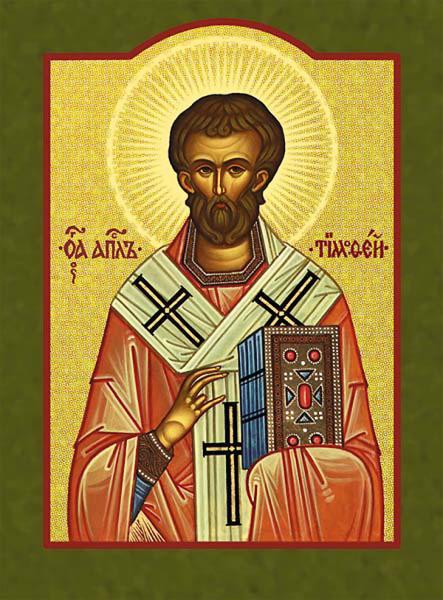
St. Timothy was a close companion and disciple of the Apostle Paul, entrusted with pastoral leadership in Ephesus. Raised in the faith through the instruction of his mother Eunice and grandmother Lois, Timothy became a faithful shepherd and teacher of the Church. According to tradition, he was martyred around AD 97 after opposing pagan worship. Timothy’s life reflects perseverance in ministry, faithful teaching, and devotion to Christ amid challenges both internal and external to the Church.

Paul exhorts Timothy to remain faithful until the end, confident in the crown of righteousness (2 Timothy 4:1–8). Christ’s promise that those who hear His messengers hear Him (Luke 10:16) assures all who serve in His name. May Timothy’s example strengthen faithfulness in teaching, courage in confession, and joy in Christ’s promises.

St. Vincent

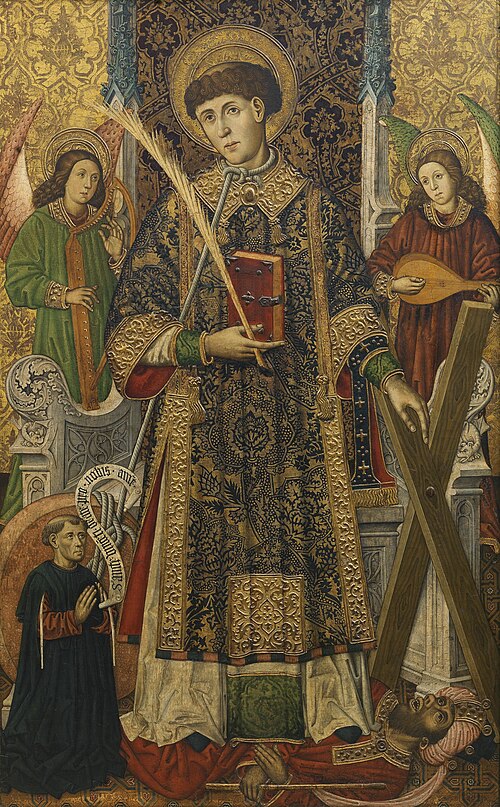
St. Vincent of Saragossa served as a deacon in Spain and was martyred around AD 304 during the Diocletian persecution. Known for his eloquence and faithfulness, Vincent endured severe torture yet remained resolute in his confession of Christ. His martyrdom became a powerful testimony to the strength God gives His servants, even amid suffering. Vincent’s witness strengthened the Church and proclaimed that the Gospel cannot be silenced by persecution or death.

St. Paul writes that suffering for the Gospel serves God’s saving purpose (2 Timothy 2:8–10). Vincent’s life reflects Christ’s teaching that fruit comes through faithful sacrifice (John 12:24–26). May his example encourage endurance, trust in God’s promises, and faithfulness in service, even when obedience leads through hardship.