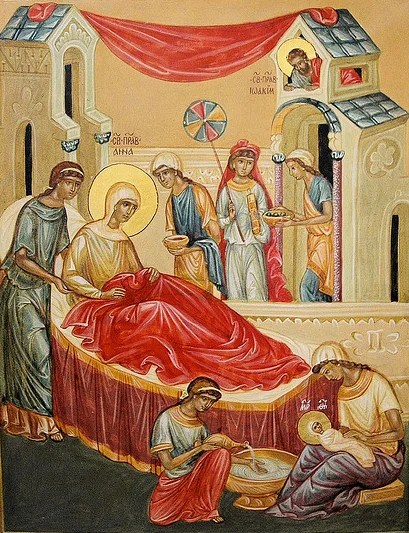
Nativity of the Blessed Virgin Mary

The Nativity of Mary celebrates her birth and foreshadows her unique role in God’s plan of salvation. From early life, Mary’s obedience and trust in God set her apart. Though Lutherans do not treat her as a mediator, we honor her as a model of receptive faith and humble service, one whose life was attuned to God’s Word and lived in anticipation of the coming Messiah.

Her nativity inspires us to cultivate that same attentiveness to God’s call, encouraging us to live lives that welcome God’s guidance, embrace opportunities for service, and reflect gratitude for His grace at work in our daily lives.

St. Giles of Athens

St. Giles, likely born in Athens, became a hermit and later abbot in France. He was known for his humility, dedication to prayer, and care for the poor, his life reflecting the virtues of solitude, contemplation, and service within a Christian community. Tradition also associates him with miraculous aid for the needy, a reminder that God’s providence often works through faithful, ordinary lives.

Giles’ example invites us to balance prayer and service in our own lives — to trust God’s guidance while reaching out to others in need. His patience, humility, and generosity show that even quiet acts of faith can bear great spiritual fruit.

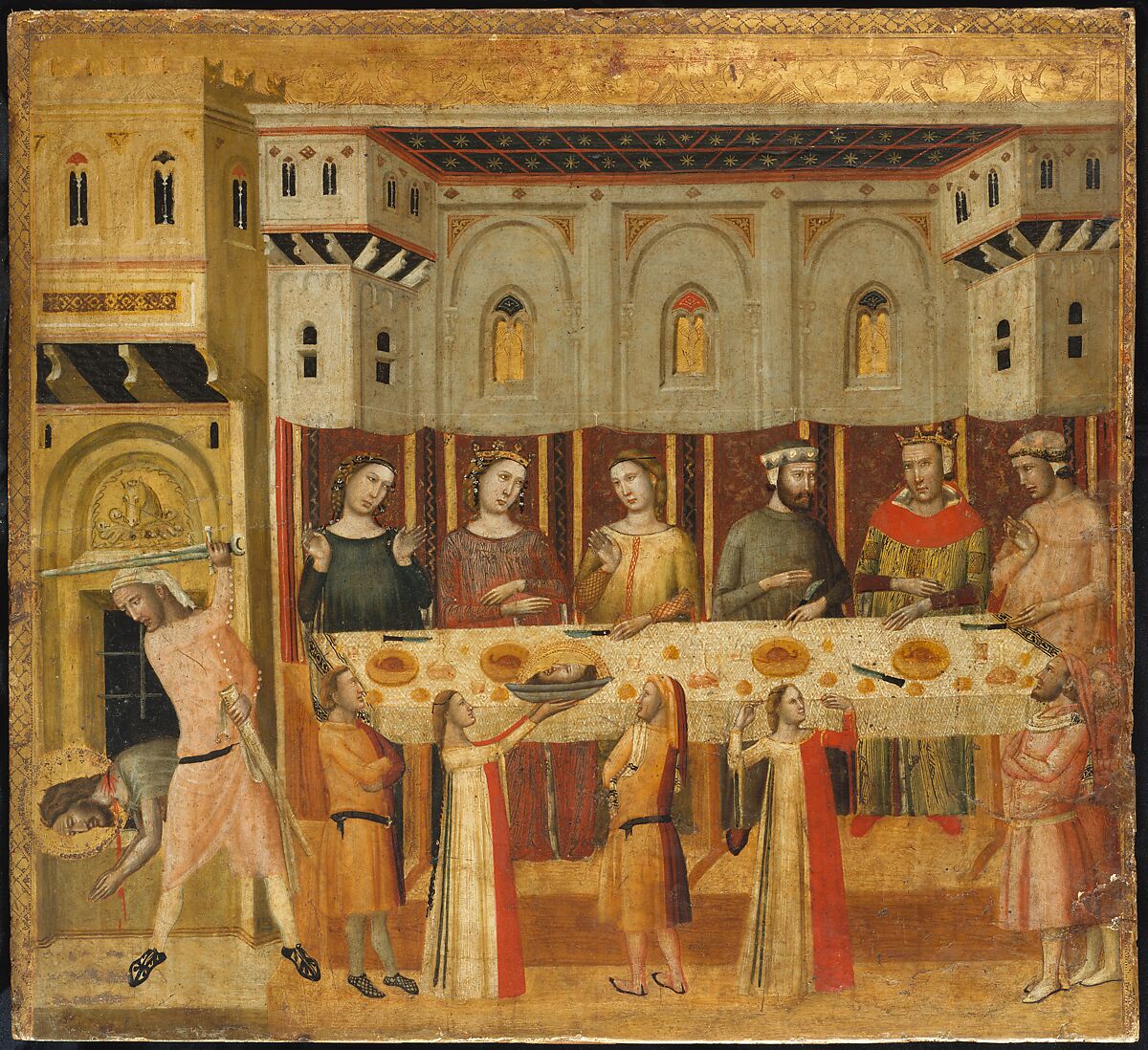
Decollation of St. John the Baptist

This feast commemorates the beheading of John the Baptist at Herod’s request (Mark 6:14–29). John faithfully condemned sin, prepared the way for Christ, and accepted death rather than compromise God’s truth. His courage and fidelity remind the Church that faithful witness may come with suffering, yet God’s promises endure beyond death. John’s martyrdom teaches us the cost of faithful confession — and also the strength Christ supplies.

Through the comfort and strength given in the Divine Service, Christ sustains His people to endure trials and proclaim the Gospel boldly. May this feast inspire courage, steadfast faith, and devotion to Christ in every circumstance.

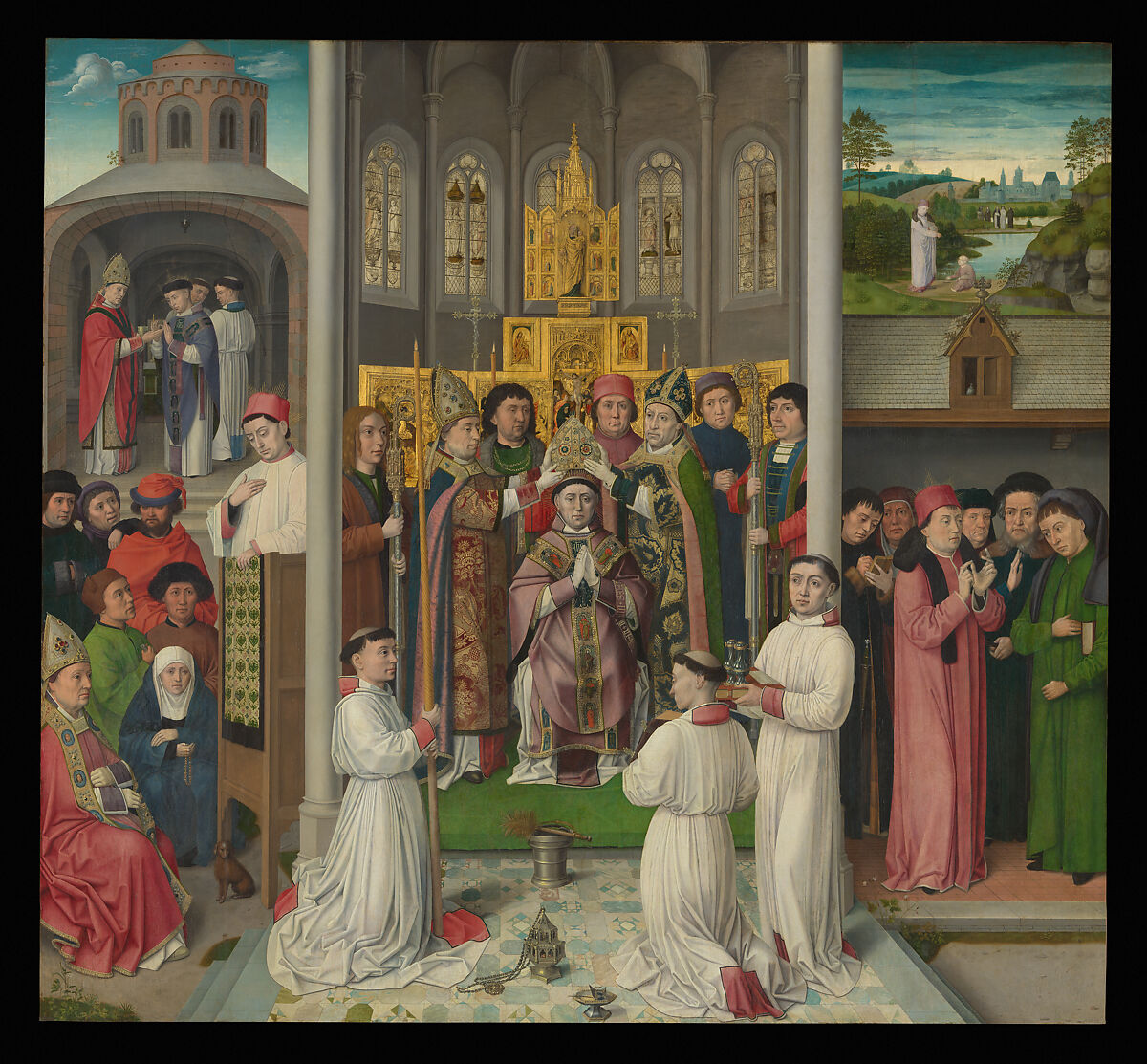
St. Augustine (354-430)

St. Augustine of Hippo was a bishop, theologian, and pastor whose writings shaped the Church’s understanding of grace, sin, and salvation. Converted from a wayward life, Augustine emphasized above all the primacy of God’s grace in salvation — that it is God who turns the heart, not human effort. His preaching, teaching, and pastoral work strengthened the Church in Africa and beyond, and Lutherans honor him as a faithful interpreter of Scripture who ever points believers to Christ for forgiveness, life, and salvation. Augustine reminds us that grace, received through the Means of Grace, transforms lives.

May his example inspire in us faithful study of Scripture, humble repentance, and steadfast proclamation of the Gospel.

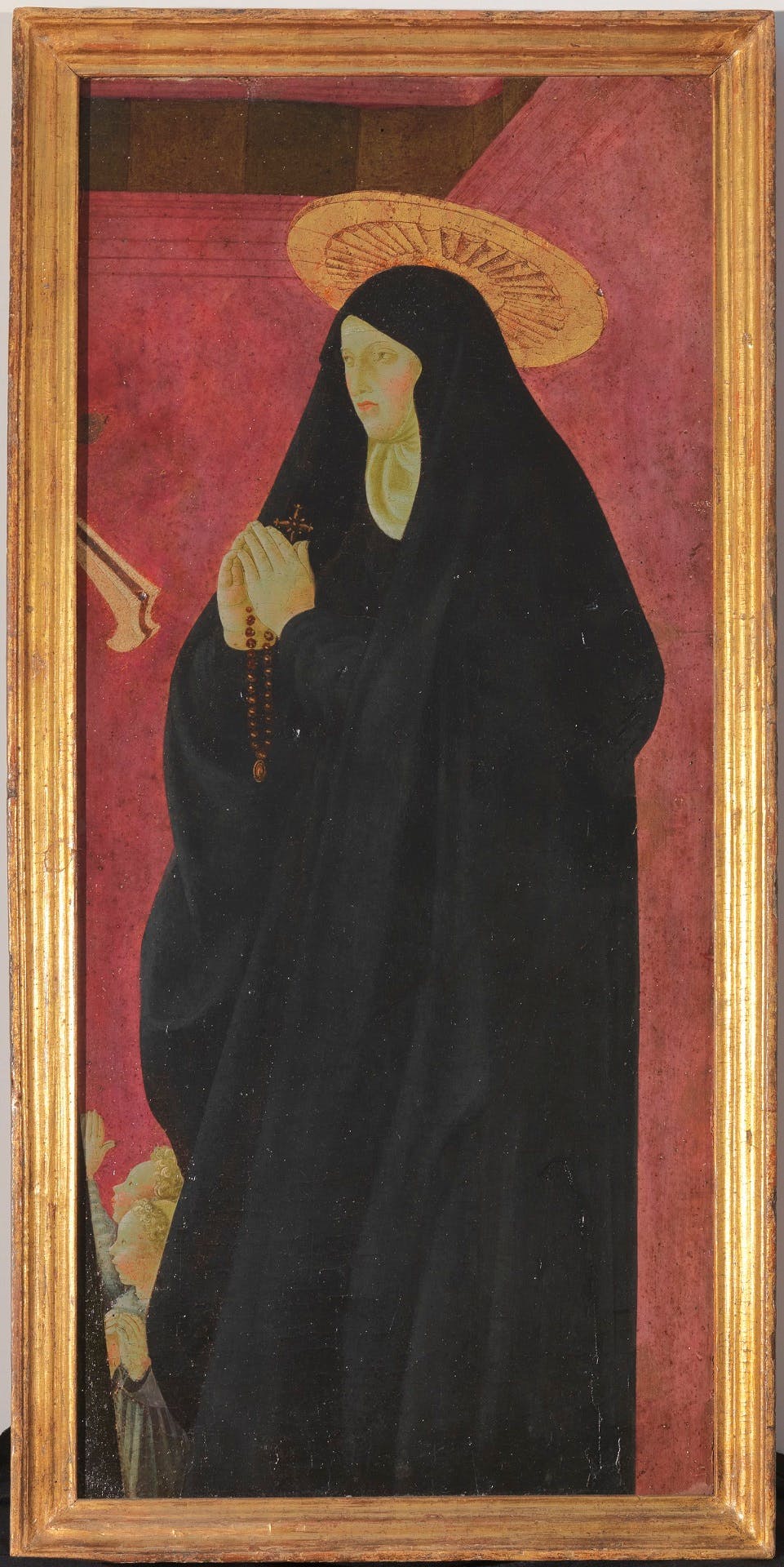
St. Monica, Devoted Mother

Saint Monica (c. 332–387 AD) is widely remembered today as a model of patience, relentless prayer, and unwavering hope. Born in Thagaste, in modern-day Algeria, she was raised in a Christian family and later married a pagan Roman official named Patricius. Her constant prayers were for the conversion and salvation of her son, Augustine.

As a young man, Augustine turned away from his faith, embraced a hedonistic lifestyle, and joined a heretical sect called Manichaeism. Rather than giving up on him, Monica spent over seventeen years following him across the Roman Empire—from Thagaste to Carthage to Rome and Milan—praying continuously for his heart to change. Her persistent faith famously moved Saint Ambrose, the Bishop of Milan, to reassure her: “It is impossible that the son of so many tears should perish.”

Her prayers were eventually answered. Augustine experienced a profound conversion, was baptized, and went on to become one of the most influential theologians and writers in Christian history. Monica died shortly after her son’s baptism, content that her life’s single greatest purpose had been fulfilled.

She encourages us to pray without ceasing, and to patiently await God’s work, which he accomplishes through his Holy Word of Christ.

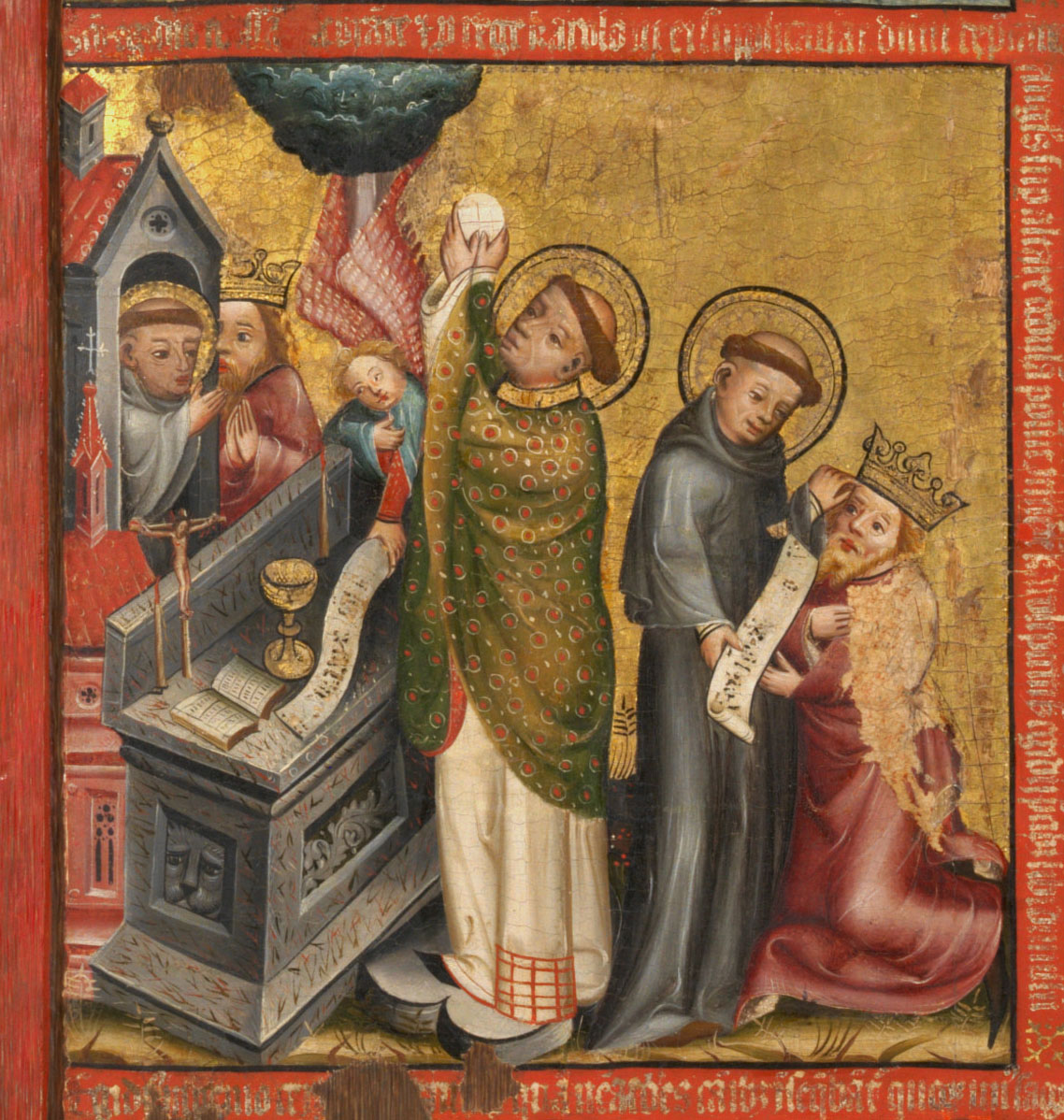
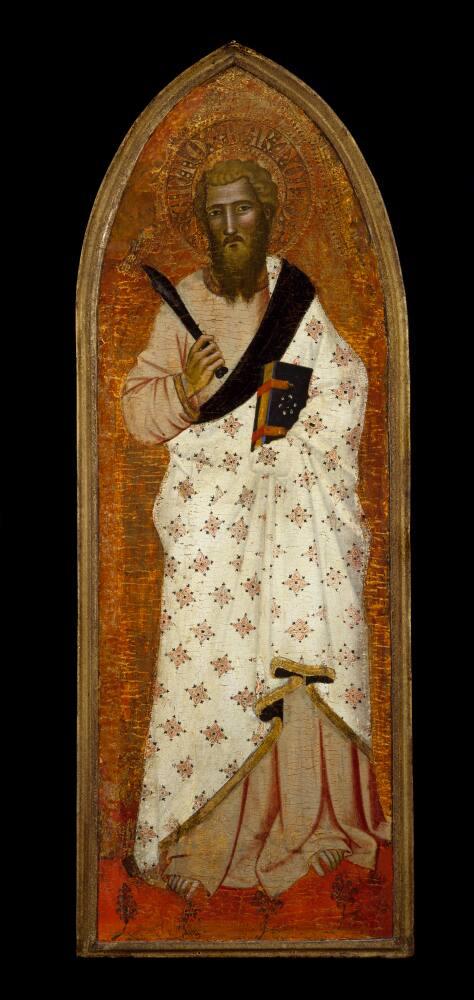
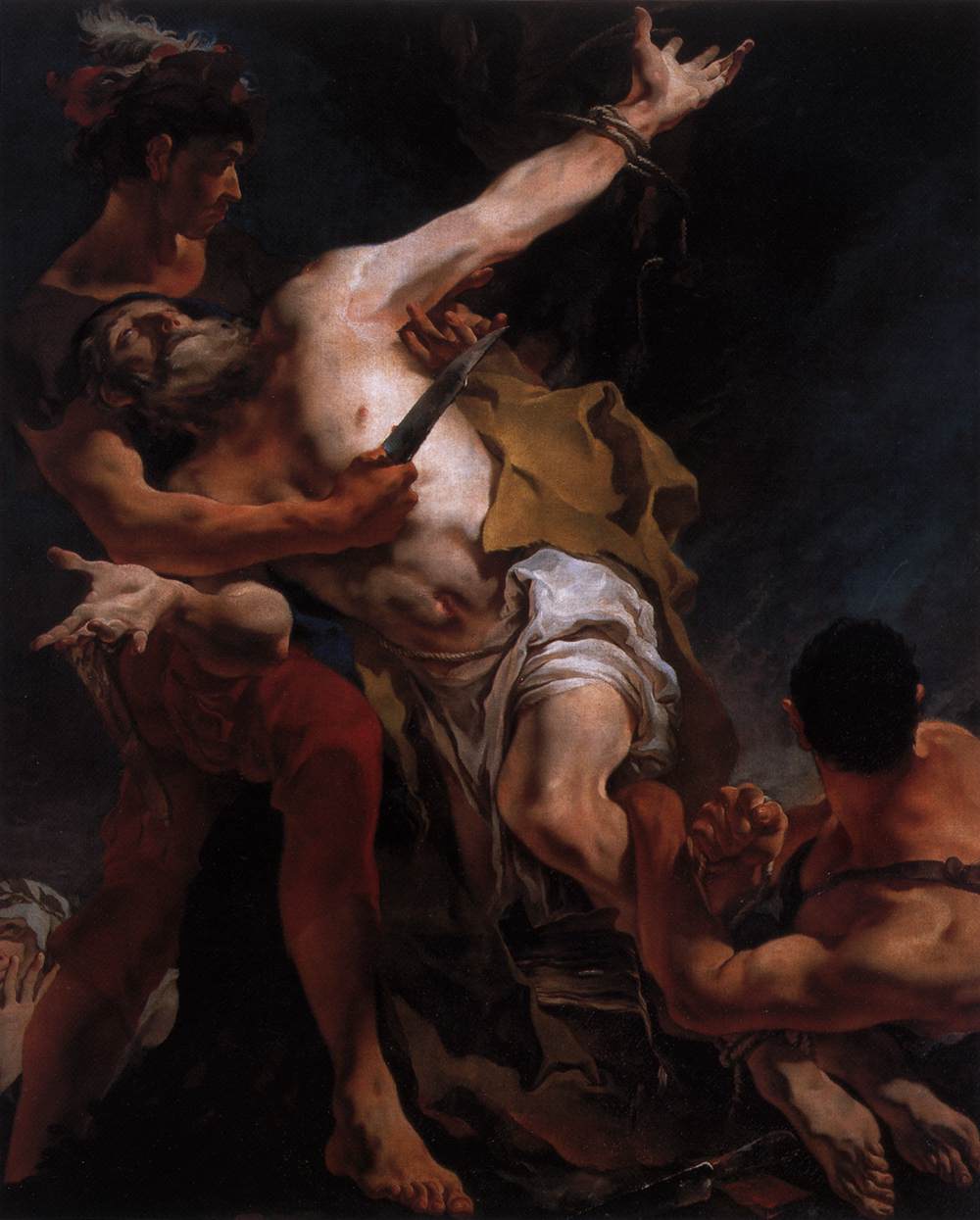
St. Bartholomew

St. Bartholomew, one of the twelve apostles, preached Christ widely and suffered martyrdom for his testimony. Tradition holds that he converted many through preaching and miraculous signs, exemplifying steadfastness, courage, and faithful proclamation. Lutherans honor him as a model of discipleship and evangelistic zeal, guided always by Word and Spirit rather than by his own strength.

His life teaches that discipleship requires courage sustained not by human resolve but by Christ Himself, who through Word and Sacrament equips believers to proclaim the Gospel and endure trials. May his witness inspire in us bold confession, faithful service, and joyful obedience to Christ.

Vigil of St. Bartholomew

The vigil prepares us for the feast of St. Bartholomew, apostle and missionary. Tradition recounts that he preached the Gospel in India and Armenia and suffered martyrdom for confessing Christ. As we anticipate his feast, we are called to reflect on faithful witness, evangelistic courage, and obedience to God’s call.

May his coming commemoration stir in us a readiness for bold proclamation and a deepened devotion to God’s Word, that our own discipleship might be shaped by the same courage.

All Saints Classical Lutheran School forms children in this inheritance. Learn more at classicaljonesboro.org

Octave of the Assumption

The octave continues the commemoration of the Assumption, recalling Mary’s faithful obedience and her role in salvation history. Lutherans honor her not as a mediator but as an example of receptive faith, one who received God’s Word and promises with humility and trust.

Her example invites us to meditate on humility, obedience, and trust in God. May Mary’s faithful reception of the Word inspire in us the same joyful obedience and Christ-centered devotion, strengthening our union with all believers who have gone before us in that same faith.

All Saints Classical Lutheran School forms children in this inheritance. Learn more at classicaljonesboro.org

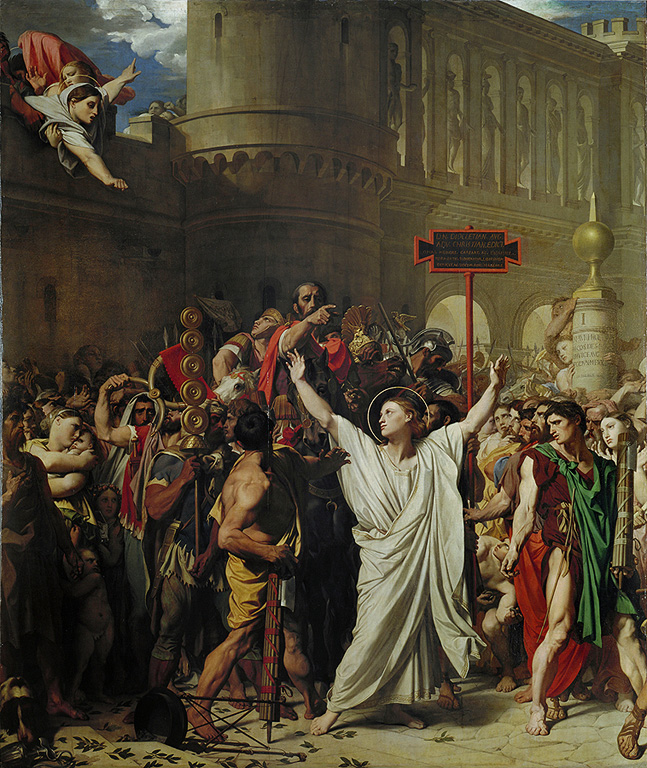
Sts. Timotheus and Symphorian

Timothy was a Roman martyr of the third century, put to death for refusing to surrender the Scriptures to the authorities. Symphorian was a young nobleman of Autun in Gaul, executed around 180 for refusing to honor the goddess Cybele during a public procession. As he was led to his death, his mother called out from the city wall: “My son, my son — remember the living God. Do not fear death, which leads surely to life.” They share a feast as witnesses to the faith: one who would not give up the Word, one who would not bow to the idol.

Timotheus and Symphorian remind us that Christ sustains His people through trials. May their witness encourage steadfastness, bold confession of the Gospel, and faithful living, uniting us with the communion of saints.

All Saints Classical Lutheran School forms children in this inheritance. Learn more at classicaljonesboro.org

St. Agapitus

Agapitus was a fifteen-year-old Christian of Praeneste (modern Palestrina, near Rome) who was arrested during the Diocletianic persecution, refused to sacrifice to the gods, and was martyred around 274 after enduring prolonged tortures. His youth makes his witness all the more striking: he knew what he confessed, and he would not recant it.

Agapitus’ courage reminds us that Christ strengthens all believers, regardless of age or circumstance. Through Christ’s gifts in the Divine Service, we are upheld in faith and witness. May his example inspire steadfastness, courage, and trust in God’s promises.

All Saints Classical Lutheran School forms children in this inheritance. Learn more at classicaljonesboro.org