St. Callixtus (d. c. 222)

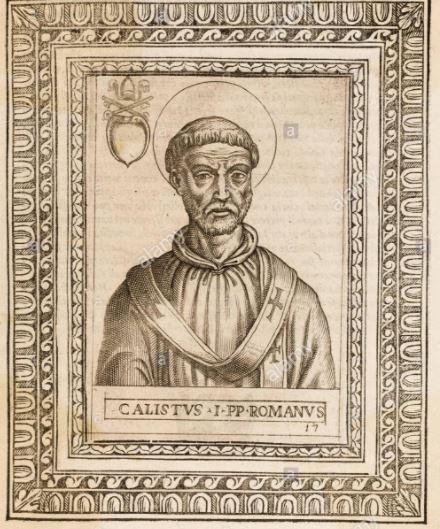
St. Callixtus, pope of the early Church, guided Christians during persecution under Emperor Alexander Severus. He defended the faithful, encouraged repentance, and taught the Gospel, and is remembered for his pastoral care, organization of the Church, and dedication to maintaining orthodoxy; his leadership demonstrates courage, discernment, and reliance on God’s guidance for the protection and growth of the Christian community. Callixtus reminds us that pastoral care requires wisdom and courage.

May his witness encourage faithful guidance of others, patience in teaching, and steadfast trust in God’s providence for the Church and its mission.
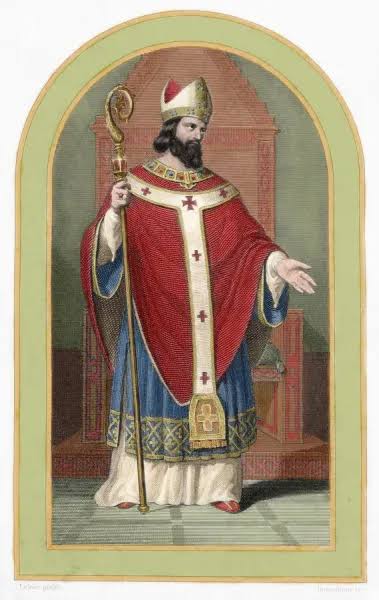
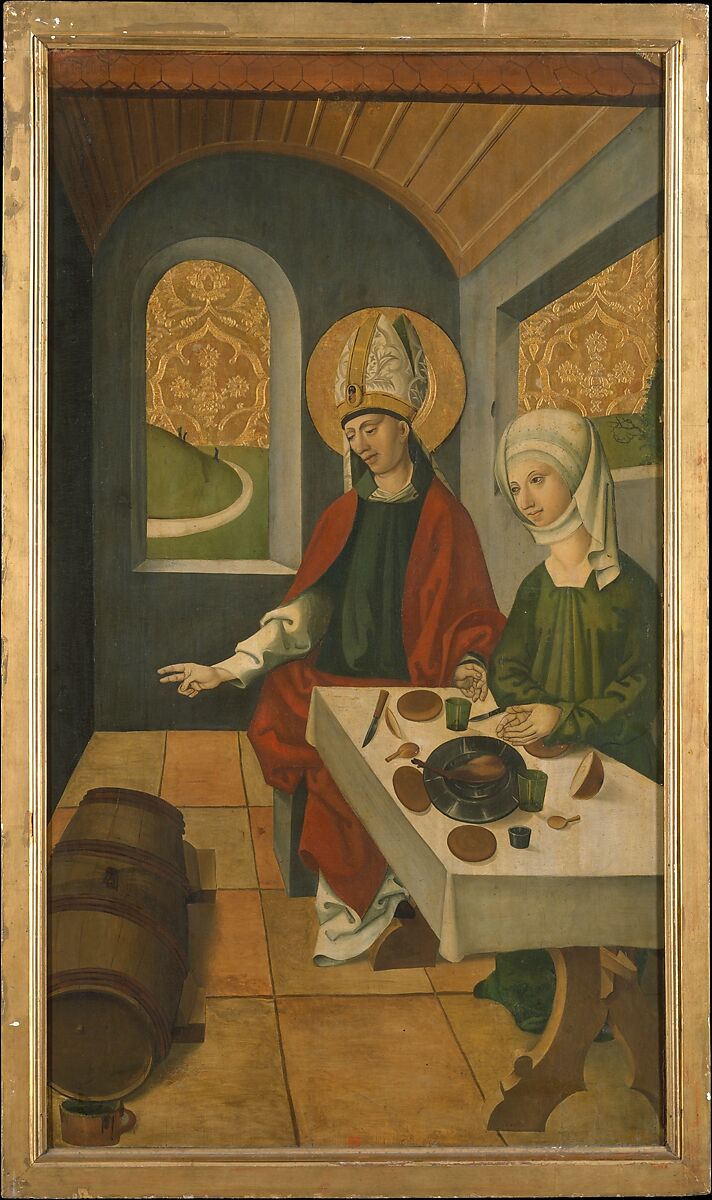
St. Denis (c. 3rd century)

St. Denis, first bishop of Paris, was martyred along with companions for preaching Christ. Tradition recounts that he carried his head after decapitation, a legendary testament to his courage and unwavering faith; Denis exemplifies pastoral care, missionary zeal, and endurance for the Gospel, and his witness inspired early Christians and continues to encourage believers to stand firm in faith amid opposition. Denis challenges us to remain courageous in our own witness to Christ.

May his example strengthen perseverance, inspire boldness in proclaiming the Gospel, and remind us of God’s sustaining presence, even in the face of suffering.

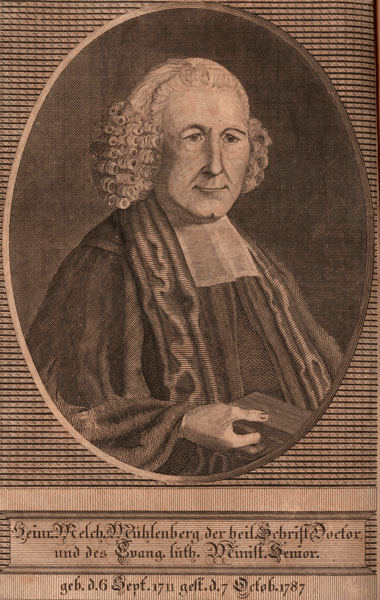
Henry Melchior Muhlenberg (1711–1787)

Henry Melchior Muhlenberg, patriarch of American Lutheranism, organized congregations, trained pastors, and strengthened the Church in colonial America. His work emphasized faithful teaching of the Gospel, administration of Word and Sacrament, and pastoral care; his dedication helped establish Lutheranism as a lasting presence in the New World, and his example continues to inspire faithful service, leadership, and commitment to doctrinal fidelity. Muhlenberg reminds us that steadfast leadership and careful organization can strengthen the Church.

May his life encourage diligence in teaching, faithful service in our vocations, and commitment to the unity and health of Christ’s congregation.

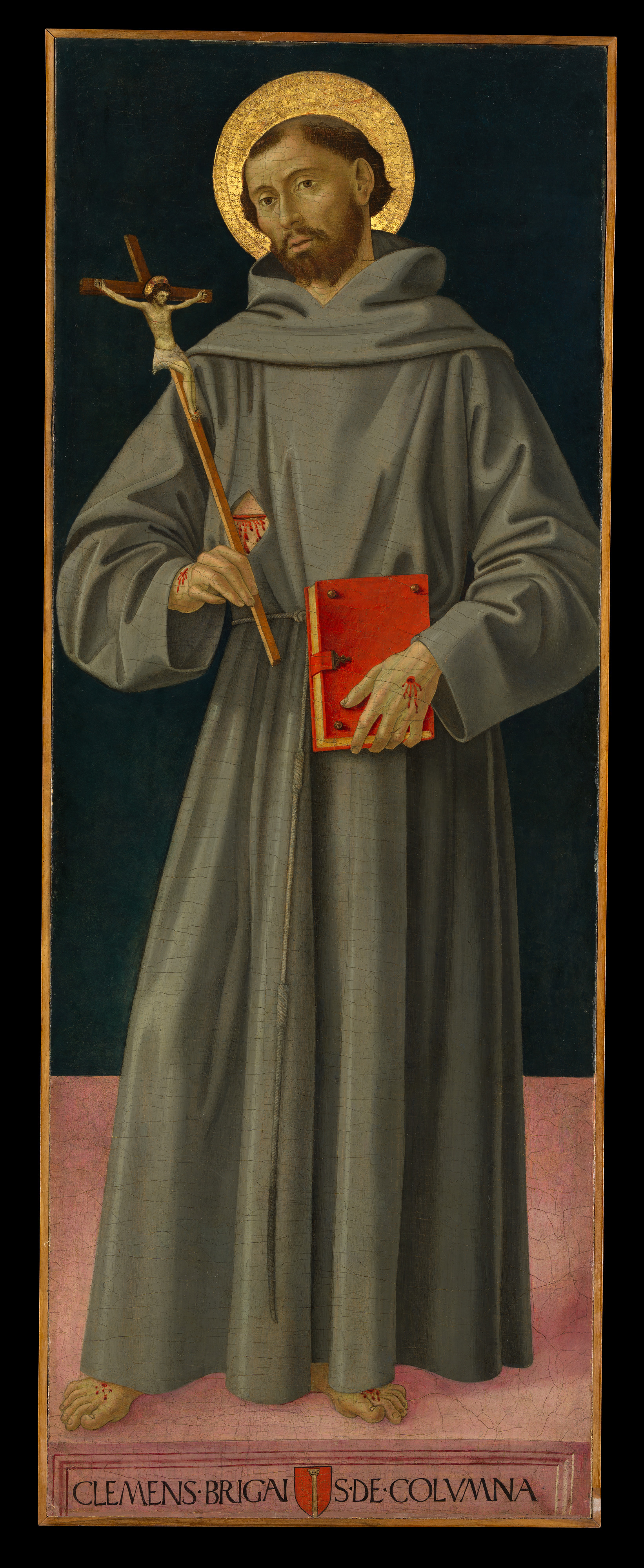
St. Francis of Assisi (1181–1226)

St. Francis of Assisi, founder of the Franciscan order, embraced radical poverty, simplicity, and devotion to Christ. He cared for the poor, healed the sick, and preached the Gospel through both words and actions; his love for creation and all creatures reflects a life attuned to God’s providence and beauty. Lutherans honor his devotion to Christ, humility, and self-denial while recognizing that salvation comes solely through faith in Christ, not through works of poverty or asceticism. Francis encourages simplicity, gratitude, and compassion.

May we, like him, delight in serving others and appreciating God’s creation, cultivating humility while trusting fully in Christ’s grace for our salvation.

St. Remigius (c. 437–533)

St. Remigius, bishop of Reims, is remembered for converting Clovis, king of the Franks, to Christianity. His episcopal ministry emphasized teaching, pastoral care, and the expansion of the Church through evangelism; Remigius combined wisdom with humility, guiding both rulers and common people in faith. His life demonstrates the power of patient guidance, faithful witness, and reliance on God’s providence to accomplish His purposes, and Lutherans honor him as a shepherd who fostered faith through instruction and example.

Remigius inspires us to guide others gently in faith and to live as examples of Christ’s teaching, encouraging patience, prayerful counsel, and steadfast commitment to spreading the Gospel in our families, workplaces, and communities.

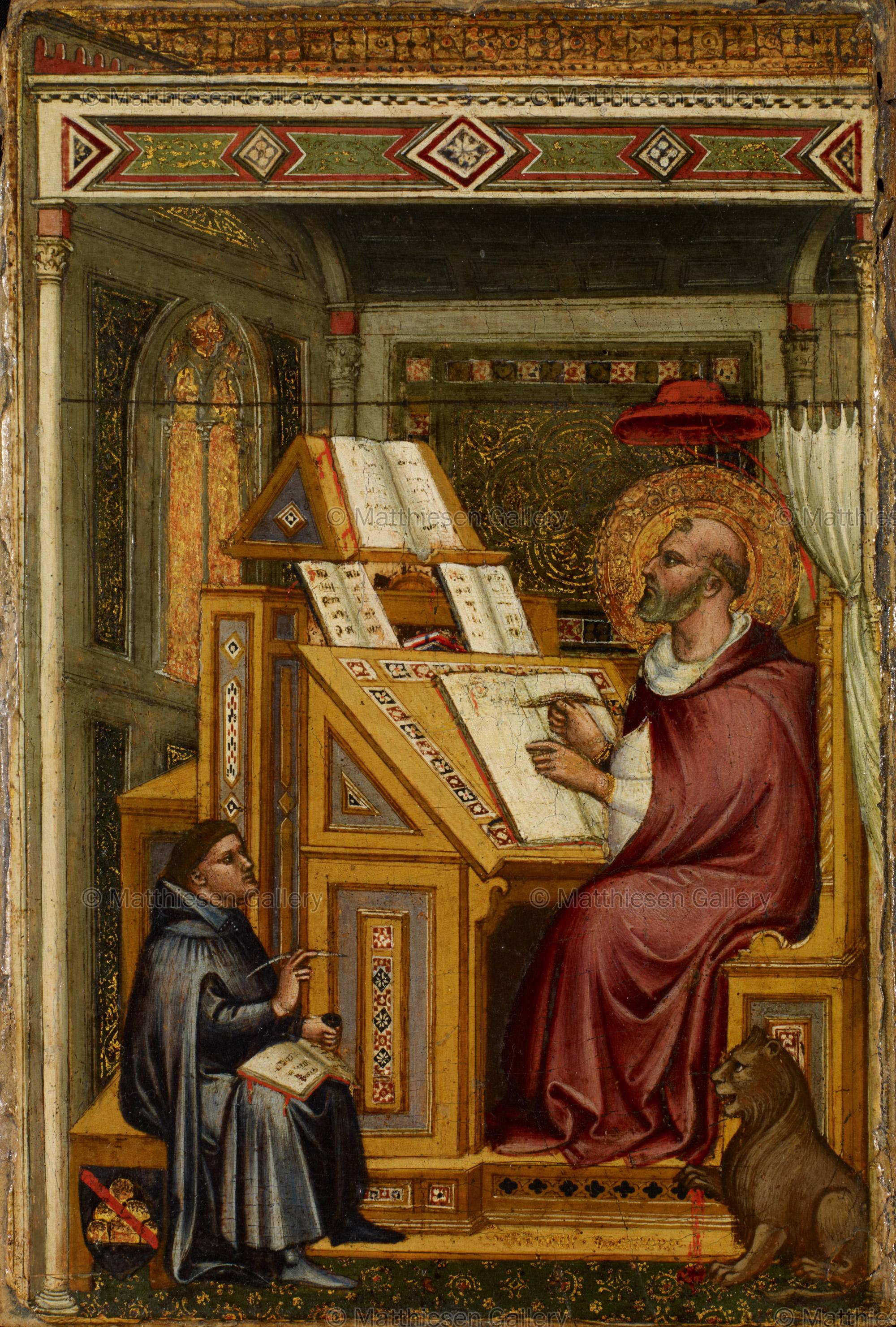
St. Jerome (c. 347–420)

St. Jerome was a priest, biblical scholar, and translator of the Latin Vulgate. He emphasized Scripture study, prayer, and disciplined living; his scholarship preserved the Word and deepened understanding of God’s plan, and his life encourages reverence for Scripture, intellectual engagement, and spiritual devotion, showing that learning and piety can complement one another. Jerome inspires faithful study of Scripture and reflection on God’s Word.

May his example encourage careful reading, prayerful meditation, and application of Scripture in daily life, nurturing wisdom, humility, and steadfast devotion to Christ.

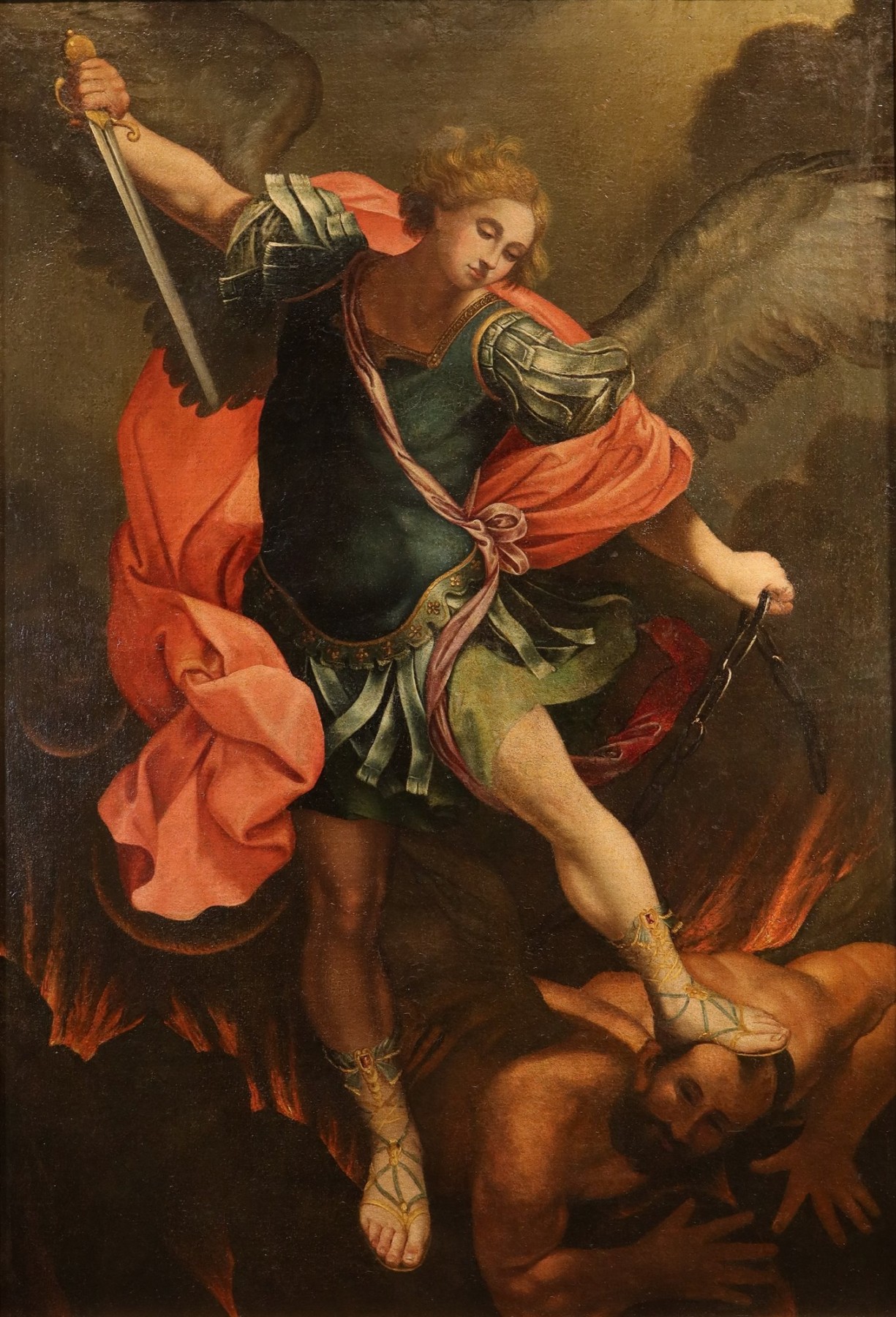
St. Michael the Archangel

Scripture names Michael as one of the chief princes of heaven, a mighty archangel who stands guard over God’s people. In Daniel, he is the great protector who contends on behalf of the faithful. In Jude, he disputes with the devil yet rebukes him only in the Lord’s name. And in Revelation, Michael and his angels war against the dragon, casting Satan down from heaven. Michael’s victory is not his own. The dragon is overthrown “by the blood of the Lamb”, and Michael’s strength lies in faithful service to the One who has already conquered sin, death, and the devil.

This commemoration reminds us that the struggle against evil is real, but so is God’s protection. The Lord sends His holy angels to watch over His people. Michael’s example calls us to vigilance, courage, and steadfast trust in Christ’s finished work. May we resist temptation, live boldly for our Lord, and rest secure in His sovereign care.

Sts. Cosmas and Damian

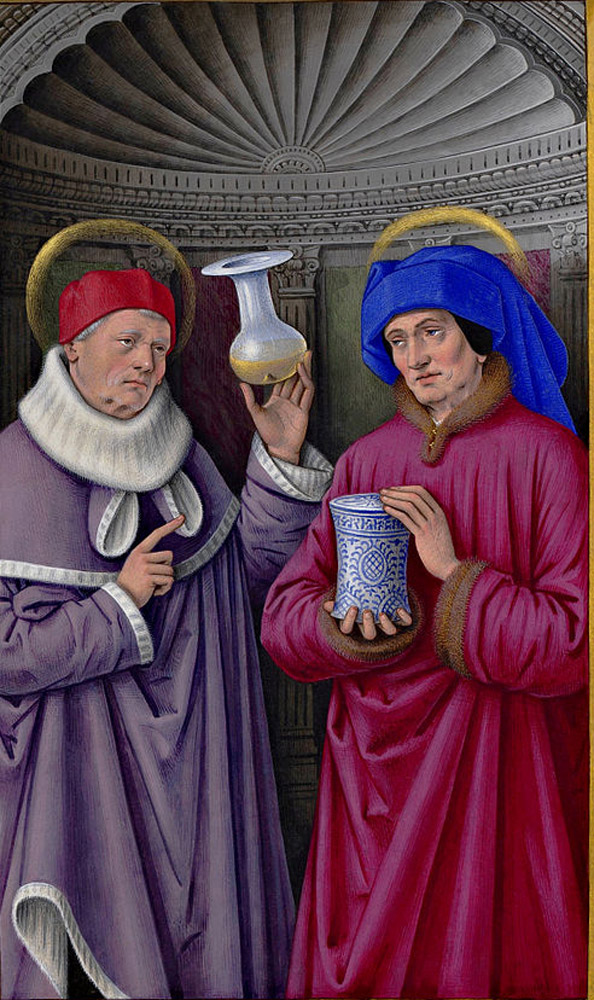
Cosmas and Damian were twin physicians in Syria who, according to tradition, refused payment for their work, earning them the title Anargyroi, “those without silver.” Rich and poor, Christian and pagan alike received the same care, given freely and in the name of Christ. The brothers tended bodies with skill while pointing souls to the Great Physician, seeing no divide between their medicine and their faith. During the persecution under Diocletian, they were arrested and commanded to renounce Christ. They refused and were martyred, sealing with their blood the confession they had lived out in their daily work.

Their compassion toward the sick and their courage before persecutors flowed from the same source: trust in the Lord who first loved them. Their witness reminds us that faithful proclamation and acts of mercy belong together, just as they did in the ministry of Jesus. They served God not by leaving their vocation but through it, giving freely because they had freely received. May their example move us to care for the vulnerable, act with integrity, and encourage one another in faith, all rooted in the love of Christ.

St. Matthew

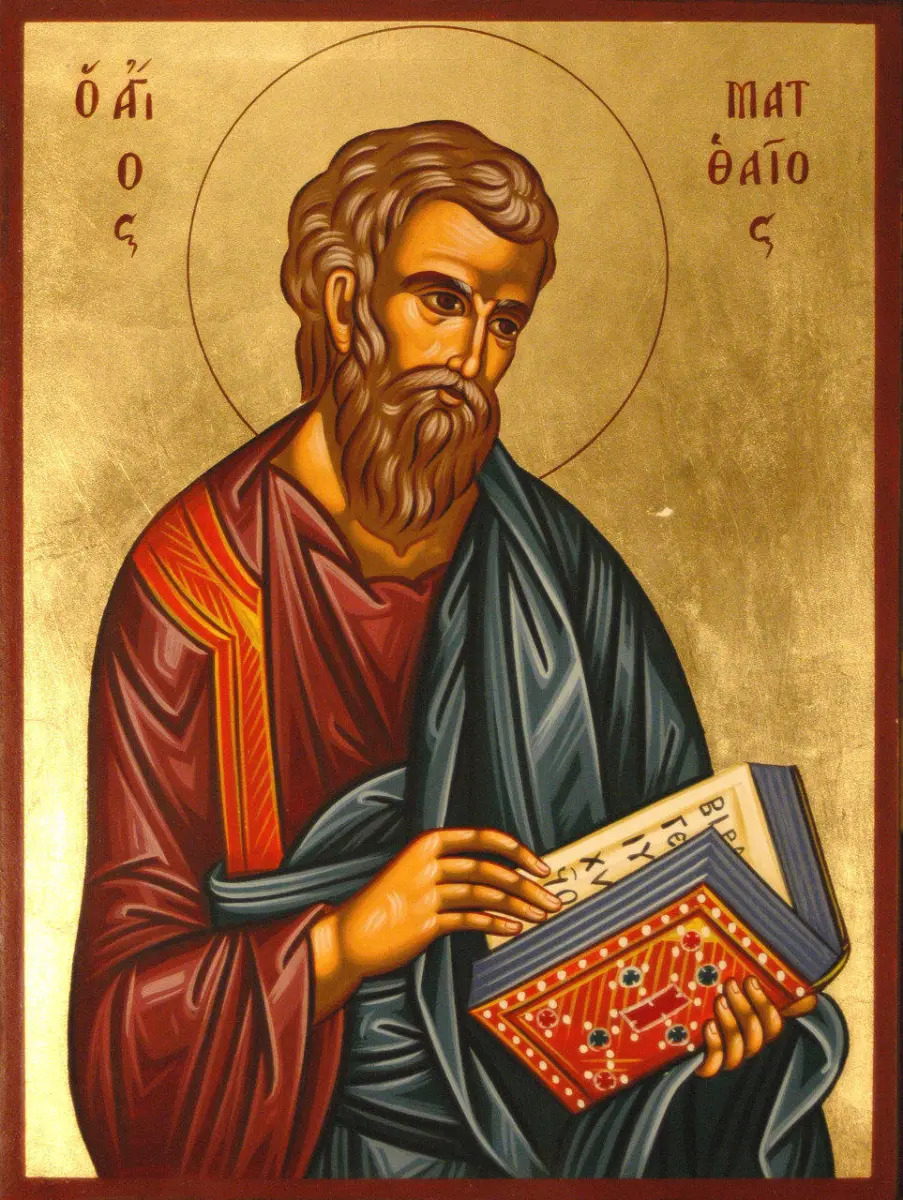
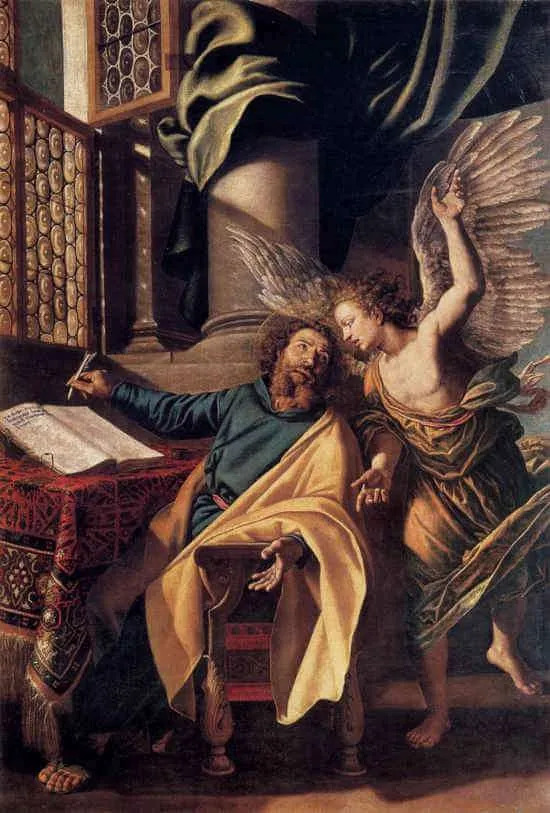
St. Matthew, one of the twelve apostles, authored the Gospel that bears his name, emphasizing Christ’s fulfillment of Scripture. He demonstrates the transformative power of encountering Christ, leaving a life of self-interest for service and witness; his ministry highlights the importance of teaching, proclamation, and faithful observance of Christ’s commands, shaping the early Church and inspiring all who follow. Matthew reminds us that God’s call transforms lives.

By studying Christ’s words and reflecting on His actions, we are empowered to live as witnesses in our own communities, embracing our vocations with diligence, humility, and gratitude.

Vigil of St. Matthew

The vigil anticipates the feast of St. Matthew, apostle and evangelist. Matthew, a former tax collector, responded to Christ’s call with immediate obedience, leaving behind worldly gain to proclaim the Gospel — a transformation that demonstrates the power of Christ to redirect lives toward God’s kingdom.

As we anticipate his feast, we are invited to examine what we ourselves hold back from God. The vigil reminds us that faithful discipleship requires openness, repentance, and joyful willingness to serve; let us follow Christ’s call with eagerness and trust in His guidance.