
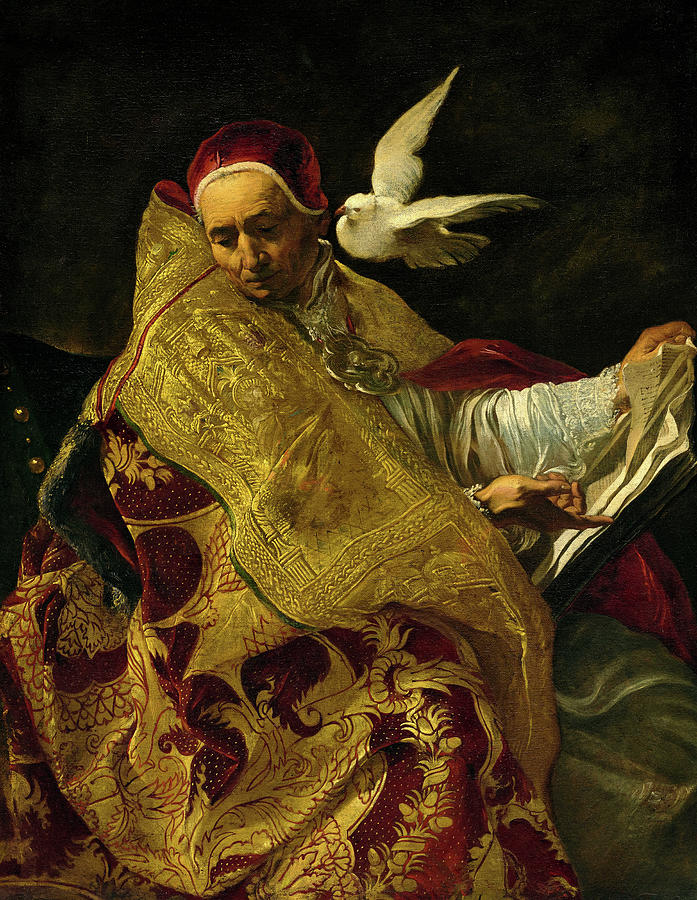
St. Gregory the Great

St. Gregory the Great (c. 540–604) served as Bishop of Rome and was one of the most influential pastors and theologians of the early Church. Known for his humility, pastoral care, and devotion to sacred worship, Gregory strengthened the Church during a time of political instability. His writings and reforms emphasized faithful shepherding, prayer, and vigilance in service. Gregory’s leadership reflects the wisdom praised in Scripture and Christ’s call to faithful stewardship (Matthew 24:42–47).

Gregory’s life encourages watchfulness and faithful service until Christ’s return. May his example strengthen diligence, humility, and devotion in our callings, as we await the Lord who entrusts His household to faithful servants.

Readings: Sirach 47:8–10a, 11a; 24:1–2 / Matthew 24:42–47

Visit the All Saints Parish blog to learn more about the ancient faith and the Church’s life.
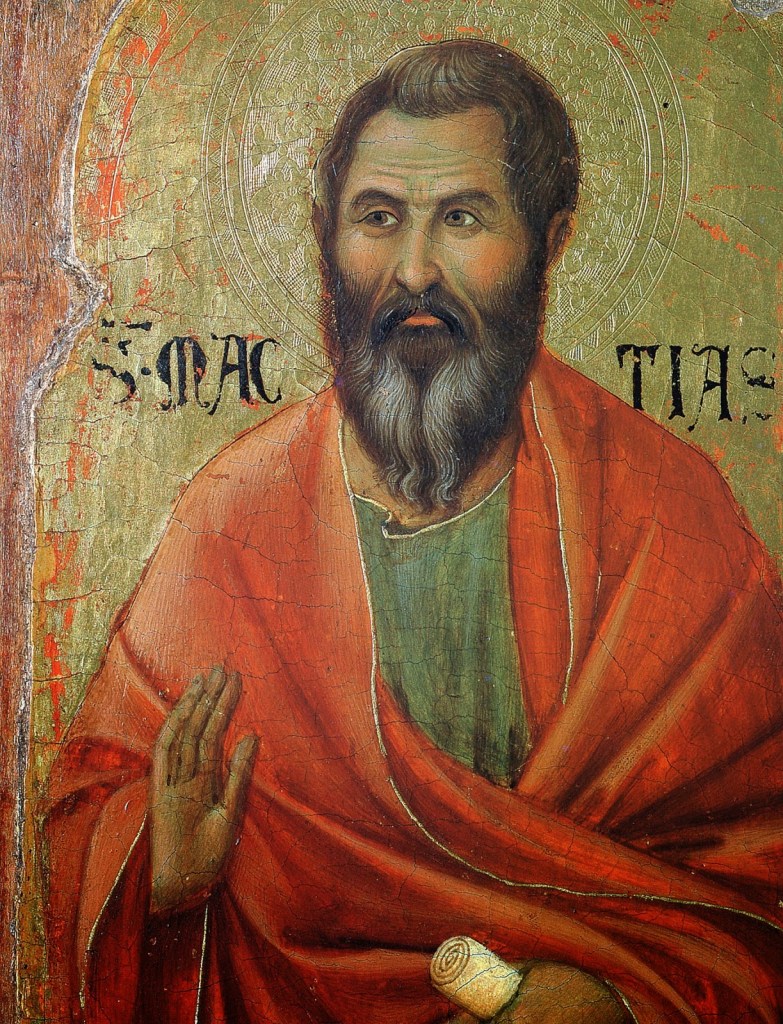
St. Matthias

St. Matthias was chosen by lot to replace Judas among the Twelve Apostles (Acts 1:15–26). Though not originally among the inner circle, Matthias was a faithful witness to Christ’s ministry and resurrection. His calling affirms that God appoints servants according to His wisdom and grace. Tradition holds that Matthias later preached the Gospel and suffered martyrdom. His life reflects Christ’s invitation to find rest in Him, even amid service and sacrifice (Matthew 11:25–30).

Matthias reminds us that God calls His servants according to His purpose, not human ambition. May his example encourage humble trust, faithful service, and confidence that Christ equips those whom He calls.

Readings: 1 Samuel 16:1-13 / Acts 1:15-26 / Matthew 11:25-30

Visit the All Saints Parish blog to learn more about the ancient faith and the Church’s life.
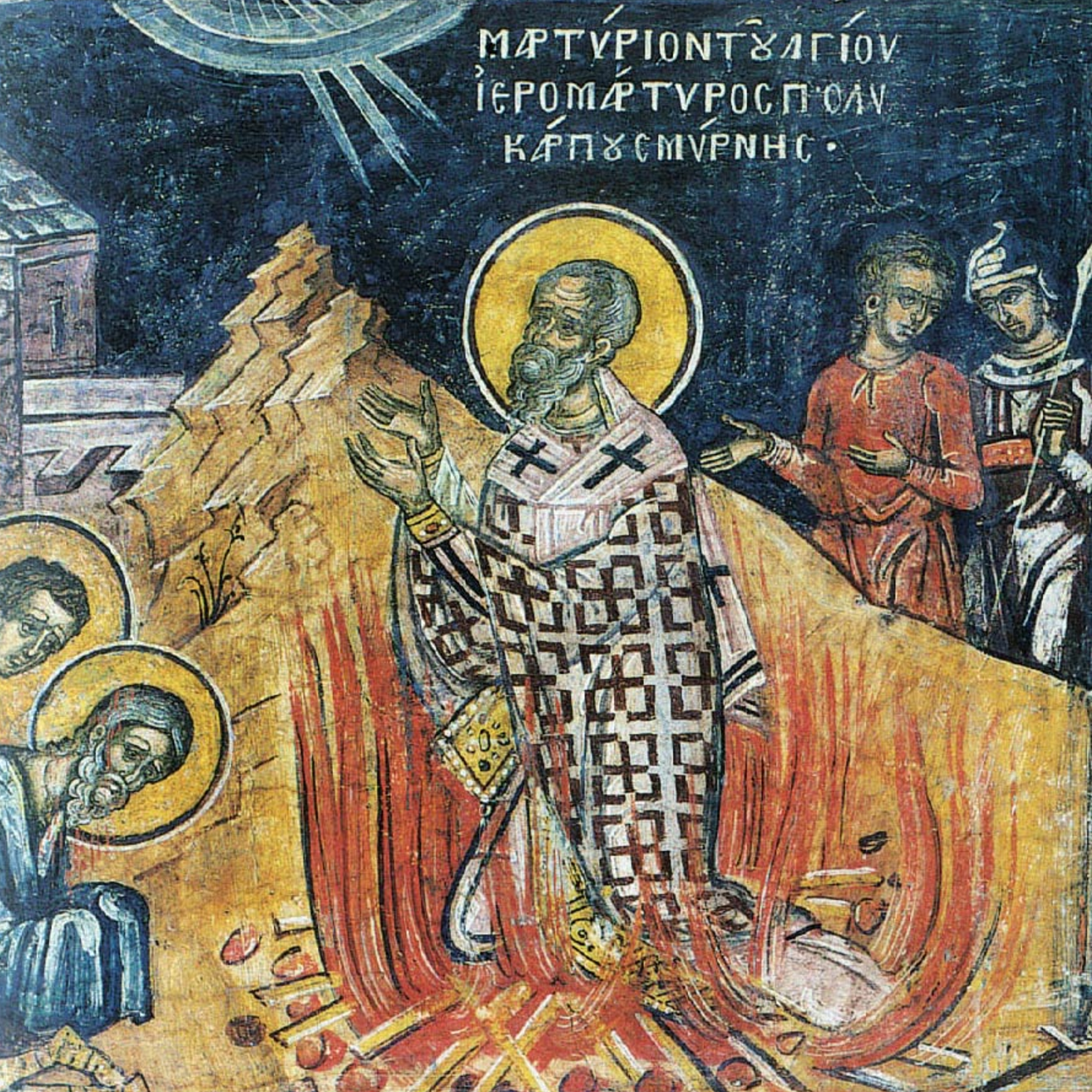
St. Polycarp

St. Polycarp was the Bishop of Smyrna and one of the three chief Apostolic Fathers—those who were taught directly by the Apostles. A student of the Apostle John, Polycarp served as a vital living link between the first generation of believers and the emerging Church of the second century. In AD 155, at the age of 86, Polycarp was captured by Roman authorities. When urged to save his life by cursing Christ, he gave his most famous witness: “Eighty-six years I have served Him, and He has done me no wrong. How can I blaspheme my King and my Savior?” He was sentenced to be burned at the stake, but tradition holds that the flames arched around him like a sail, leaving him unharmed, until he was finally dispatched by a dagger.

Polycarp’s martyrdom serves as an encouragement to all Christians to be bold and faithful confessors of Christ, regardless of how much we are despised by the enemies of the Church.

Readings: Revelation 2:8-11 / Matthew 20:20–28

Visit the All Saints Parish blog to learn more about the ancient faith and the Church’s life.